
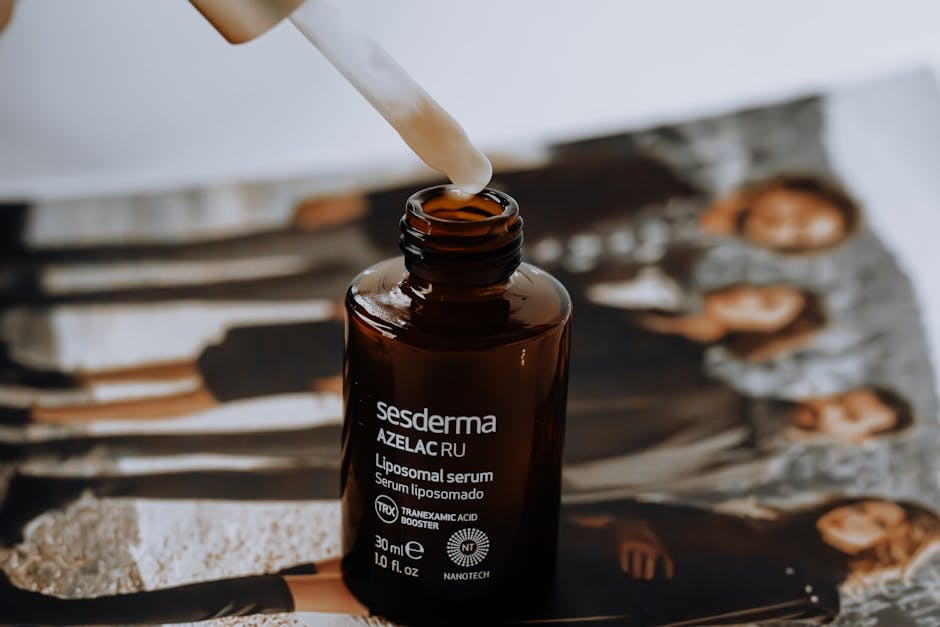
The Right Order to Apply Skincare Products

You’ve invested in good skincare products, but are you applying them in the right order? The sequence matters — apply products wrong, and they won’t absorb properly or work as well as they should.

Here’s exactly how to layer your skincare, and why the order matters.

The Golden Rule: Thin to Thick

The general principle is simple: apply products from thinnest to thickest consistency. Lightweight, watery products go first. Heavier creams and oils go last.

Why? Thin products can’t penetrate through thick creams. If you apply your serum over a heavy moisturizer, it’ll just sit on top and never reach your skin.

Morning Routine Order

Step 1: Cleanser

Start with a clean canvas. Use a gentle cleanser to remove overnight oil and any residue from your evening products. If your skin is dry, a simple water rinse works too.

Step 2: Toner (optional)

If you use a toner, apply it right after cleansing while skin is still slightly damp. Modern toners add hydration or prep skin for the next steps — they’re not the harsh, stripping formulas of the past.

Step 3: Serum

This is where your active ingredients go. Vitamin C is ideal for mornings — it’s an antioxidant that protects against environmental damage. Apply a few drops to face and neck, let it absorb for a minute.

Step 4: Eye Cream (optional)

If you use an eye cream, apply it before moisturizer. The eye area is delicate, and you want your targeted treatment to absorb without interference. Pat gently with your ring finger.

Step 5: Moisturizer

Lock in hydration with a lightweight daytime moisturizer. Look for one that layers well under sunscreen and makeup. Give it a minute to absorb.

Step 6: Sunscreen

Always the last step in your skincare routine (before makeup). Use a generous amount — about two finger-lengths for your face. This protects everything underneath and shields your skin from UV damage.

Night Routine Order

Step 1: Oil Cleanser or Makeup Remover

If you wore sunscreen or makeup, start with an oil-based cleanser or micellar water. This dissolves oil-based products that regular cleansers miss.

Step 2: Water-Based Cleanser

Follow with your regular cleanser to wash away everything the oil cleanser lifted. This double-cleanse method ensures truly clean skin.

Step 3: Exfoliant (2-3x per week)

If you’re using a chemical exfoliant (AHA or BHA), apply it to clean, dry skin. Let it absorb before moving on. Don’t use on the same nights as retinol.

Step 4: Toner or Essence (optional)

A hydrating toner or essence adds a layer of moisture and helps the following products absorb better. Pat into damp skin.

Step 5: Serum or Treatment

Nighttime is for your active treatments:

  • Retinol — Apply to dry skin, start with 2-3 nights per week
  • Niacinamide — Can be used nightly, layers well with most ingredients
  • Hyaluronic acid — Apply to damp skin for best results
  • Peptides — Good for anti-aging support

If using multiple serums, go thinnest to thickest, and wait 30-60 seconds between each.

Step 6: Eye Cream (optional)

Apply your eye treatment before heavy moisturizers so it can actually penetrate.

Step 7: Moisturizer or Night Cream

Your evening moisturizer can be richer than your daytime one. Look for ceramides, peptides, or squalane to support overnight repair.

Step 8: Face Oil (optional)

If you use a face oil, it goes last. Oils are occlusive — they seal everything in but don’t let anything through. Applying oil before your serum would block absorption.

Quick Reference Chart

Morning:

  1. Cleanser
  2. Toner
  3. Serum (Vitamin C)
  4. Eye cream
  5. Moisturizer
  6. Sunscreen

Night:

  1. Oil cleanser
  2. Water cleanser
  3. Exfoliant (2-3x/week)
  4. Toner/essence
  5. Serum/treatment
  6. Eye cream
  7. Moisturizer
  8. Face oil

What About Prescription Products?

If you use prescription treatments like tretinoin or azelaic acid, apply them after cleansing and toning, before moisturizer. Some dermatologists recommend “buffering” by applying moisturizer first to reduce irritation — ask your provider what’s best for your prescription.

Common Mistakes

Applying sunscreen before moisturizer — Sunscreen is always last. It needs to form an even film on top of your skin to protect properly.

Using oil before serum — Oil blocks absorption. Save it for the very end.

Not waiting between layers — Give each product 30-60 seconds to absorb, especially actives like vitamin C or retinol.

Mixing AHA/BHA with retinol — Using both the same night can irritate skin. Alternate nights, or use exfoliants in the morning and retinol at night.

Applying products to bone-dry skin — Hydrating products (like hyaluronic acid) work better on damp skin. Don’t wait too long after cleansing.

The Bottom Line

The order you apply skincare products affects how well they work. Follow the thin-to-thick rule, give products time to absorb, and always end with sunscreen in the morning.

Don’t stress about perfection — getting the basics right (cleanse, treat, moisturize, protect) is what matters most. The exact sequence becomes more important as you add more products to your routine.

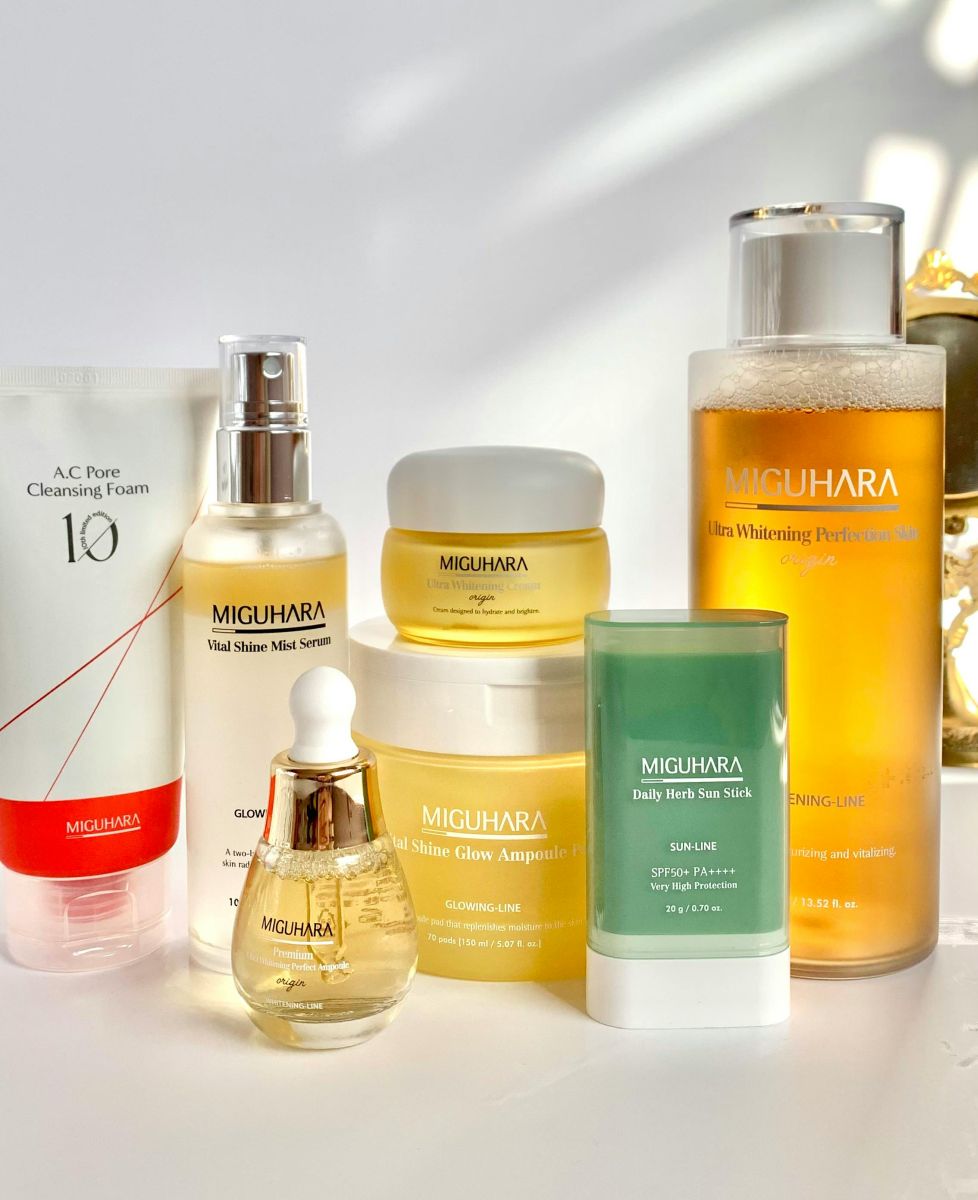
Morning vs Night Skincare: What’s the Difference?

Your skin has different needs during the day versus at night. A morning routine focuses on protection, while a night routine is all about repair. Understanding this helps you get more from your products.

Why Timing Matters

During the day, your skin faces environmental stressors — UV rays, pollution, makeup, sweat. Your morning routine builds a shield.

At night, your skin shifts into repair mode. Cell turnover increases, and your skin is more receptive to active ingredients. Your evening routine supports this natural regeneration.

Using the right products at the right time makes them more effective.

Your Morning Routine

The goal: Cleanse, hydrate, protect.

1. Gentle Cleanser (or water rinse)

Your skin isn’t dirty in the morning — you were sleeping. A gentle cleanser removes overnight oil and product residue. If your skin is dry, splashing with lukewarm water is enough.

2. Antioxidant Serum (optional but powerful)

Vitamin C is the classic choice. It neutralizes free radicals from UV and pollution, brightens skin, and boosts your sunscreen’s effectiveness. Apply to clean, dry skin.

3. Lightweight Moisturizer

Hydration is essential, but keep it light for daytime — especially under makeup. Gel or gel-cream formulas work well. Look for hydrating ingredients like hyaluronic acid.

4. Sunscreen (non-negotiable)

SPF 30+ broad-spectrum, every single day. This is the most important anti-aging product you can use. Apply generously as the final step, or use a moisturizer with built-in SPF.

Your Night Routine

The goal: Deep cleanse, treat, repair.

1. Double Cleanse

First, an oil-based cleanser or micellar water to break down sunscreen, makeup, and sebum. Follow with your regular cleanser to clean the skin itself. This two-step method ensures you’re actually getting clean.

2. Exfoliant (2-3x per week)

Chemical exfoliants (AHAs, BHAs) remove dead skin cells and keep pores clear. Don’t use every night — 2-3 times per week is plenty for most people. Skip on nights you use retinol.

3. Treatment Serums

Nighttime is when you bring out the active ingredients:

  • Retinol — Increases cell turnover, smooths texture, reduces fine lines
  • Niacinamide — Calms, minimizes pores, strengthens barrier
  • Peptides — Support collagen production
  • Hyaluronic acid — Deep hydration

You don’t need all of these. Pick 1-2 that address your concerns.

4. Rich Moisturizer or Night Cream

Your evening moisturizer can be heavier than your daytime one. Look for barrier-supporting ingredients like ceramides, fatty acids, and squalane. This seals everything in while you sleep.

5. Eye Cream (optional)

The under-eye area is thin and delicate. If you have specific concerns (dark circles, fine lines), a targeted eye cream can help. Pat gently with your ring finger.

Products to Use ONLY at Night

  • Retinol/retinoids — Breaks down in sunlight and increases sun sensitivity
  • AHAs (glycolic, lactic acid) — Can increase photosensitivity
  • Heavy oils and occlusives — Too greasy under makeup/sunscreen

Products to Use ONLY in the Morning

  • Sunscreen — Obvious, but worth stating
  • Vitamin C — Works best during the day to fight environmental damage (though it’s also fine at night)

Products You Can Use Anytime

  • Hyaluronic acid
  • Niacinamide
  • Peptides
  • Centella/cica
  • Basic moisturizers

Sample Routines

Simple Morning

  1. Water rinse or gentle cleanser
  2. Moisturizer
  3. Sunscreen

Simple Night

  1. Cleanser (double cleanse if wearing SPF/makeup)
  2. Moisturizer

Advanced Morning

  1. Gentle cleanser
  2. Vitamin C serum
  3. Lightweight moisturizer
  4. Sunscreen

Advanced Night

  1. Oil cleanser
  2. Water-based cleanser
  3. Exfoliant (2-3x/week) OR retinol (alternate nights)
  4. Hydrating serum
  5. Night cream
  6. Eye cream

Common Mistakes

Using retinol in the morning — It degrades in sunlight and makes you more sensitive to UV. Always use at night.

Skipping sunscreen because you’re staying inside — UV rays come through windows. Wear it anyway.

Using too many actives at once — Especially at night, don’t layer AHAs + retinol + vitamin C. Pick one or two and alternate.

Same heavy cream day and night — Your daytime moisturizer should be lighter, especially under sunscreen.

The Bottom Line

Morning skincare protects. Night skincare repairs. Adjust your products accordingly, and you’ll get better results from the same ingredients.

Start simple, then add products as you identify what your skin needs. And always — always — wear sunscreen during the day.

How to Build a Simple Skincare Routine (Beginner’s Guide)

Starting a skincare routine can feel overwhelming. With thousands of products and endless advice floating around, it’s hard to know where to begin.

Here’s the good news: an effective skincare routine doesn’t need to be complicated. In fact, simpler is often better — especially when you’re just getting started.

This guide walks you through the essentials, step by step.

Why You Need a Skincare Routine

Your skin is your body’s largest organ, and it works hard every day. It protects you from environmental damage, regulates temperature, and constantly renews itself.

A good skincare routine supports that natural process. It helps:

  • Remove dirt, oil, and makeup that can clog pores
  • Hydrate and protect your skin barrier
  • Address specific concerns like dryness, breakouts, or early signs of aging
  • Keep your skin looking healthy and feeling comfortable

You don’t need ten products to get there. You need the right ones, used consistently.

The Basic Routine: 3 Essential Steps

If you’re starting from zero, focus on these three steps — morning and night.

1. Cleanser

Cleansing removes dirt, oil, sweat, and anything else sitting on your skin. It’s the foundation of any routine.

How to choose:

  • Oily or acne-prone skin: Look for a gel or foaming cleanser
  • Dry or sensitive skin: Try a cream or milk cleanser
  • Normal/combination skin: Most gentle cleansers will work

Tips:

  • Wash with lukewarm water (hot water can strip your skin)
  • Cleanse for about 60 seconds — actually massage it in
  • Pat dry with a clean towel, don’t rub

2. Moisturizer

Moisturizer hydrates your skin and helps lock in moisture. Everyone needs this step, even if your skin is oily.

How to choose:

  • Oily skin: Lightweight, oil-free, or gel moisturizers
  • Dry skin: Richer creams with ingredients like hyaluronic acid or ceramides
  • Sensitive skin: Fragrance-free formulas with minimal ingredients

Tips:

  • Apply to slightly damp skin to boost absorption
  • Don’t skip this step — dehydrated skin can actually produce more oil
  • Give it a minute to absorb before makeup or sunscreen

3. Sunscreen (Morning Only)

This is the single most important anti-aging product you can use. UV damage causes wrinkles, dark spots, and uneven texture — and it happens even on cloudy days.

How to choose:

  • Look for SPF 30 or higher
  • “Broad spectrum” protects against both UVA and UVB rays
  • If you hate the white cast, try a chemical sunscreen or a tinted mineral formula

Tips:

  • Apply as the last step of your skincare routine, before makeup
  • Use about two finger-lengths for your face and neck
  • Reapply every 2 hours if you’re outdoors

Morning vs. Night: What’s the Difference?

Your routine doesn’t need to be identical morning and night.

Morning routine:

  1. Cleanser (or just rinse with water if your skin is dry)
  2. Moisturizer
  3. Sunscreen

Night routine:

  1. Cleanser (double cleanse if you wore makeup or sunscreen)
  2. Treatments (if using any — see below)
  3. Moisturizer

At night, your skin goes into repair mode, so it’s a good time to use any targeted treatments. But when you’re starting out, keep it simple.

When to Add More Products

Once your basic routine feels comfortable (give it 2–4 weeks), you might want to address specific concerns. That’s when you can add targeted treatments like:

  • Vitamin C serum — Brightens skin, fades dark spots (use in the morning)
  • Retinol — Smooths texture, reduces fine lines (use at night, start slowly)
  • Niacinamide — Minimizes pores, calms redness (morning or night)
  • Exfoliants (AHA/BHA) — Removes dead skin cells (1–2x per week)

Important: Don’t add everything at once. Introduce one new product at a time and give it a few weeks before adding another. This helps you identify what’s working — and what might be causing problems.

Common Mistakes to Avoid

Using too many products too fast
More isn’t always better. A cluttered routine can irritate your skin and make it hard to tell what’s actually helping.

Skipping sunscreen
Seriously. This is non-negotiable. Even if you’re indoors most of the day, UV rays come through windows.

Switching products constantly
Give products at least 4–6 weeks to work (unless you’re having a reaction). Skincare is a long game.

Over-cleansing
Washing your face more than twice a day can strip your skin and damage your moisture barrier. Stick to morning and night.

Your Starter Routine Checklist

Here’s a simple shopping list to get you going:

  • Gentle cleanser
  • Moisturizer for your skin type
  • Broad-spectrum SPF 30+ sunscreen

That’s it. You can build from there, but these three will take you far.

The Bottom Line

A skincare routine doesn’t need to be complicated to be effective. Start with the basics — cleanse, moisturize, protect — and stay consistent. Your skin will thank you.

Once you’ve nailed the foundation, you can start exploring treatments for specific concerns. But don’t rush it. Good skincare is about the long game, not quick fixes.