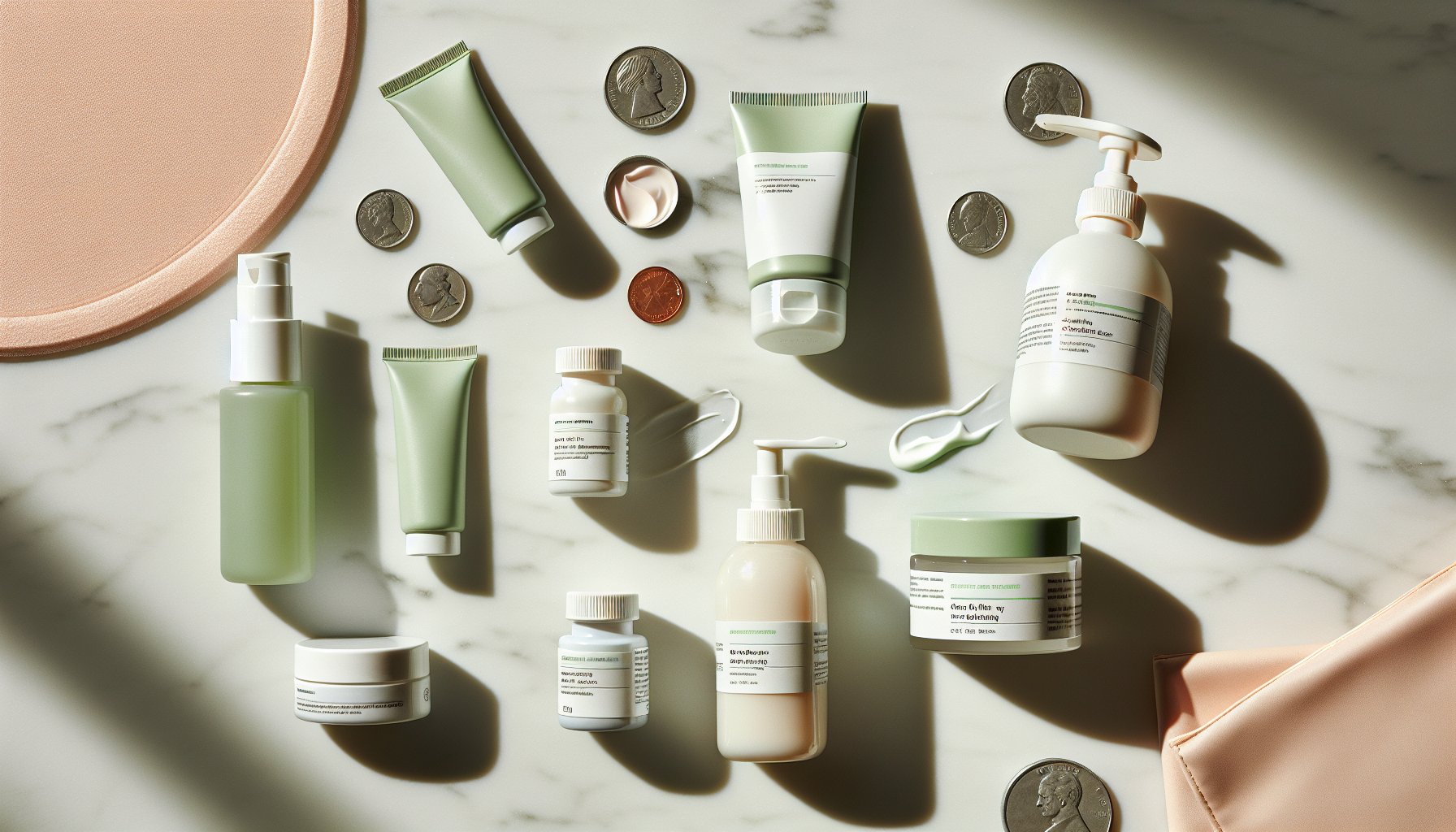
A 2025 Delphi consensus study from Northwestern University surveyed 62 cosmetic dermatologists across 43 institutions and found that the most recommended ingredients for seven common skin concerns — retinoids, vitamin C, niacinamide, benzoyl peroxide, and salicylic acid — are all available in affordable over-the-counter formulations. Price did not determine which ingredients earned expert approval; evidence did.
Quick Summary:
- The most effective skincare ingredients are available in drugstore products under $20
- A complete basic routine (cleanser, moisturizer, sunscreen) costs as little as $25-35
- Dermatologists factor affordability into their recommendations alongside efficacy
- Expensive products often charge for texture and packaging rather than better active ingredients
- A consistent simple routine outperforms an inconsistent expensive one
Why Price Doesn't Equal Performance
The skincare industry generates over $150 billion globally, and much of that revenue depends on convincing consumers that higher prices mean better results. But clinical evidence tells a different story.
The 2025 Delphi study found that of 318 ingredients evaluated, only 23 earned consensus approval from at least 75% of expert dermatologists. Every single one of these approved ingredients is available in budget-friendly formulations. Retinoids earned consensus for five of seven skin concerns, with 96% of dermatologists approving them for anti-aging and acne. Benzoyl peroxide hit 95.2% consensus for acne. Salicylic acid reached 93.6%.
A review published in Skin Health and Disease in 2024 confirmed that popular cosmeceutical ingredients like niacinamide, hyaluronic acid, and hydroxy acids are well-studied, widely available, and effective at affordable price points. The difference between a $12 niacinamide serum and a $90 one is rarely the active ingredient — it's the branding, packaging, and sensory experience.
The $30 Starter Routine
You need exactly three products to build a foundation that dermatologists would approve:
Step 1: Gentle Cleanser — $9-16
Vanicream Gentle Facial Cleanser (around $9) contains no fragrance, dyes, or common irritants. It cleanses without stripping your skin's natural oils. For a slightly richer option, CeraVe Hydrating Facial Cleanser (around $16) adds ceramides and hyaluronic acid to support your skin barrier during cleansing.
Step 2: Moisturizer — $9-16
CeraVe Moisturizing Cream (around $16 for a tub that lasts months) contains three essential ceramides, hyaluronic acid, and uses MVE technology for sustained hydration. A 2022 clinical trial published in the Journal of Dermatologic Treatment confirmed that consistent use of a basic cleanser-plus-moisturizer routine significantly improved skin condition, with over 80% of participants reporting less dryness, itching, and better texture.
Step 3: Sunscreen — $10-17
Neutrogena Hydro Boost Water Gel Sunscreen SPF 50 (around $17) provides broad-spectrum protection with a lightweight, non-greasy texture. If you prefer mineral sunscreen, Neutrogena Sheer Zinc SPF 50 (around $13) uses zinc oxide and works well for sensitive skin.
Total: approximately $30-49 for a routine that covers all three dermatologist-recommended essentials.
Learn how to layer these products correctly in our skincare product order guide.
Adding Targeted Treatments Without Breaking the Bank
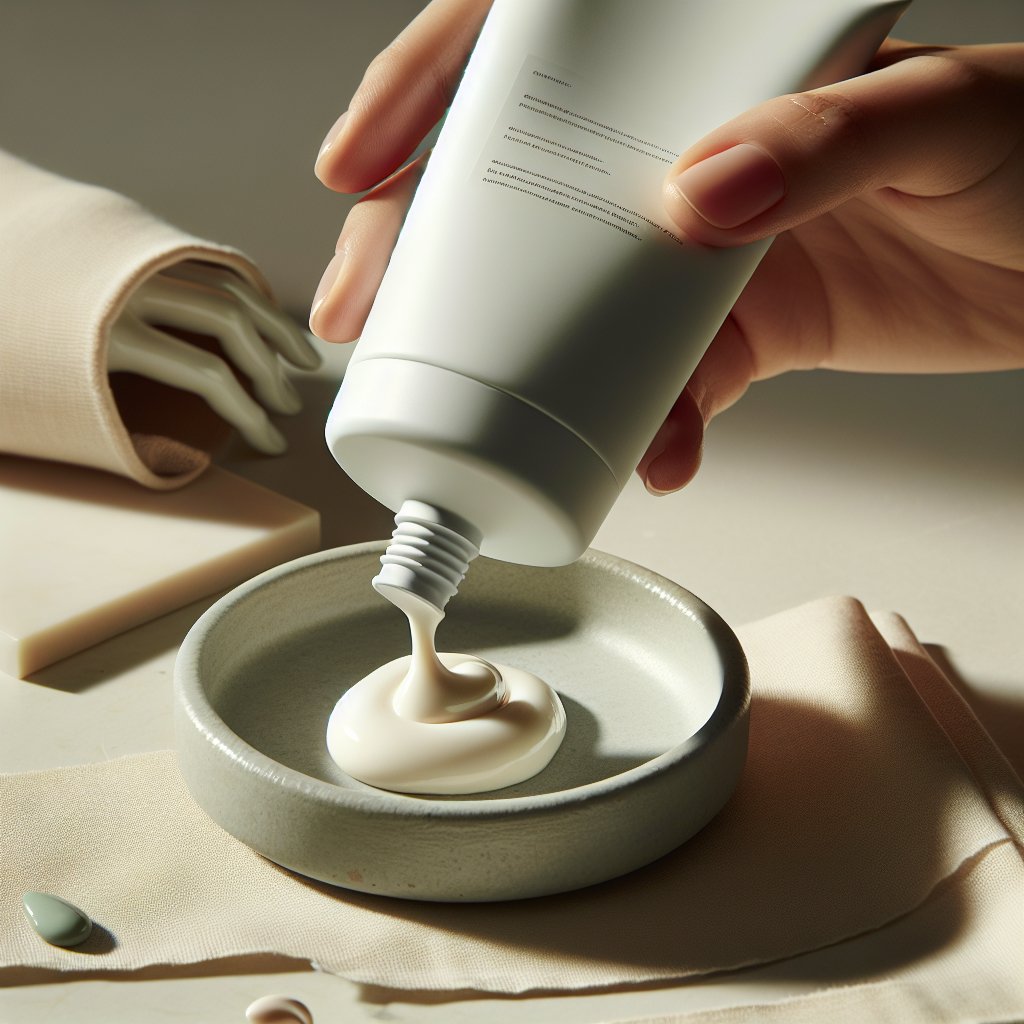
Once your foundation is solid, add one active ingredient to address your primary concern. Here are the best budget options by goal:
For Acne and Breakouts
The Ordinary Salicylic Acid 2% Solution (around $7) unclogs pores and reduces inflammation. Use it two to three times per week. For more stubborn acne, over-the-counter Differin Adapalene Gel (around $15) is a prescription-strength retinoid now available without a prescription, with strong clinical evidence for acne treatment.
Read our complete acne treatment guide for more options.
For Dark Spots and Uneven Tone
Good Molecules Discoloration Correcting Serum (around $7) combines tranexamic acid, niacinamide, and azelaic acid to target hyperpigmentation at multiple pathways. The Ordinary Alpha Arbutin 2% (around $10) inhibits tyrosinase to reduce melanin production.
See our hyperpigmentation guide for a full treatment plan.
For Fine Lines and Anti-Aging
The Ordinary Retinol 0.5% in Squalane (around $7) delivers the single most evidence-backed anti-aging ingredient at a concentration that balances results with tolerability. Start twice weekly and gradually increase. Our retinol guide covers how to begin safely.
For Dehydration
The Ordinary Hyaluronic Acid 2% + B5 (around $9) draws moisture into the skin with multiple molecular weights of hyaluronic acid. Apply to damp skin for best results, then seal with moisturizer.
Verdict: A complete, dermatologist-approved skincare routine with one targeted active ingredient costs $35-55. Every dollar above that buys nicer textures and packaging — not necessarily better results for your skin.
Budget Brands Worth Your Money
Not all cheap skincare is good skincare. These brands consistently deliver effective formulations at accessible prices:
The Ordinary ($6-15): Known for single-ingredient, high-concentration formulations with minimal markup. Their niacinamide, retinol, and alpha arbutin are standout values. The no-frills approach means you know exactly what you're paying for.
CeraVe ($10-20): Developed with dermatologists, every product contains essential ceramides. Their cleansers and moisturizers are among the most recommended by dermatologists nationally, and the large sizes mean excellent cost per use.
Good Molecules ($6-14): A newer brand focused on evidence-based formulations at aggressive price points. Their discoloration correcting serum offers a multi-active approach that competes with products five times the price.
Vanicream ($8-15): Specifically formulated for sensitive skin with zero fragrance, dyes, or common allergens. Dermatologists frequently recommend Vanicream when patients react to everything else.
Neutrogena ($8-20): Backed by decades of dermatological research with wide availability. Their Hydro Boost line and sunscreen range offer solid performance at pharmacy prices.
Where Expensive Products Do Differ
Being honest about the budget approach means acknowledging where premium products have genuine advantages:
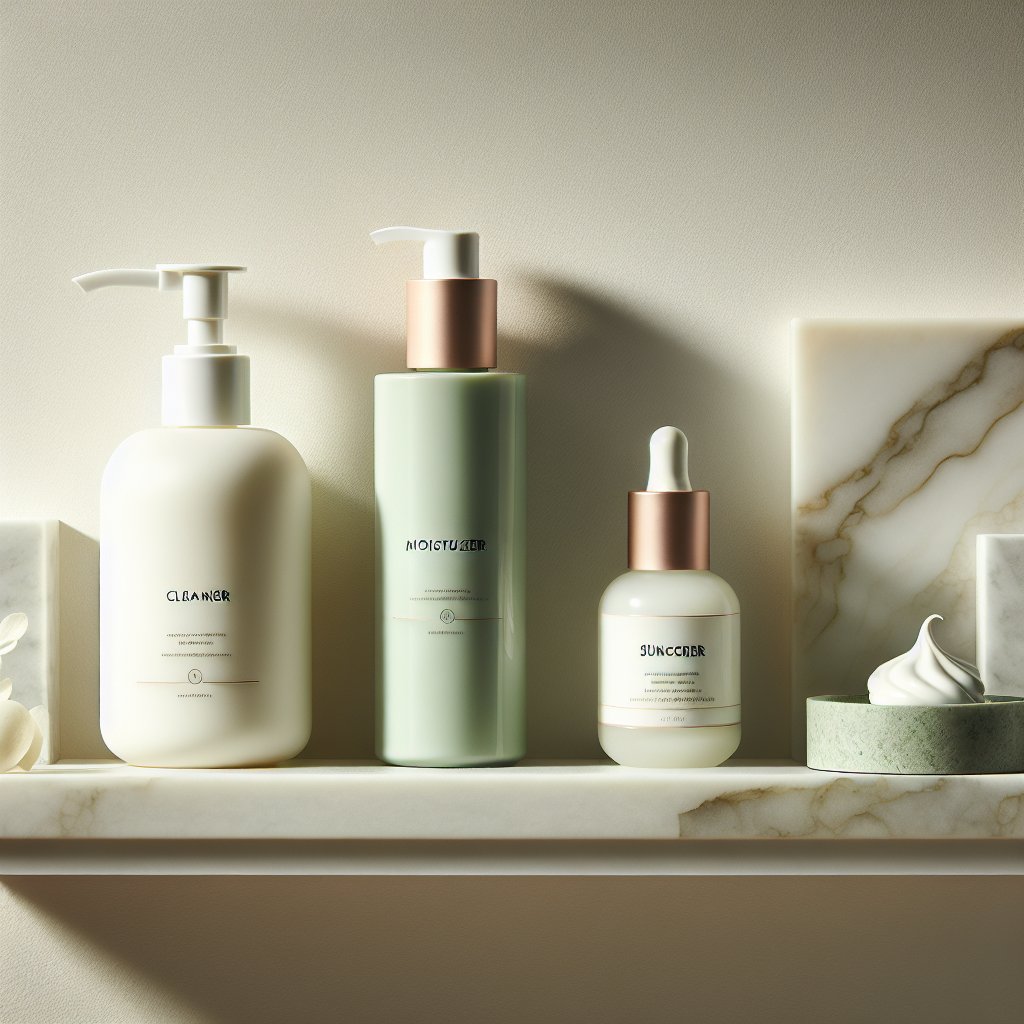
Cosmetic elegance: High-end sunscreens and moisturizers often feel better on the skin — lighter textures, no pilling, better under makeup. If a more expensive sunscreen means you actually wear it daily, that's money well spent.
Formulation stability: Some active ingredients, particularly vitamin C (ascorbic acid), are notoriously unstable. Premium brands like SkinCeuticals invest heavily in stabilization technology. Budget vitamin C products may oxidize faster, though proper storage helps.
Higher concentrations: Medical-grade products sometimes contain higher active ingredient concentrations than over-the-counter versions. For most people, OTC concentrations are sufficient, but severe skin concerns may benefit from stronger formulations prescribed by a dermatologist.
A 2020 study in the Journal of Cosmetic Dermatology comparing advanced six-product routines to simple two-product routines found that while the advanced routine showed superior results in several metrics, the basic routine still produced measurable improvements. The basic routine delivered real benefits — the question is whether the incremental improvement justifies the additional cost and complexity.
Common Budget Skincare Mistakes
Buying based on trends rather than ingredients. A viral TikTok product isn't automatically effective. Check the active ingredient and its concentration before purchasing. Our guide to reading ingredient labels teaches you what to look for.
Skipping sunscreen to save money. Sunscreen is the single most cost-effective anti-aging product. The $13 you spend on a drugstore sunscreen prevents damage that no $200 serum can reverse.
Hoarding products instead of using them consistently. Five half-used serums help less than one bottle used daily for three months. Pick one targeted active and commit to it. See our minimalist routine guide for a streamlined approach.
Assuming natural or DIY equals affordable and safe. Lemon juice, baking soda, and other kitchen ingredients can cause chemical burns and severe irritation. Formulated products have tested pH levels, preservatives, and appropriate concentrations.
Frequently Asked Questions
Can a $30 skincare routine really work?
Yes. The three essential steps — gentle cleanser, moisturizer, and sunscreen — are available for under $35 total. Clinical research confirms that a consistent basic routine significantly improves skin condition regardless of product price point.
What's the single best budget skincare product?
Sunscreen. It prevents more visible aging, dark spots, and skin damage than any treatment product can reverse. A $13-17 drugstore sunscreen applied daily delivers more long-term value than any expensive serum used occasionally.
Is The Ordinary as good as more expensive brands?
For single-ingredient treatments like retinol, niacinamide, and alpha arbutin, The Ordinary delivers the same active ingredients at comparable concentrations for a fraction of the price. The trade-off is less elegant textures and simpler formulations.
Do dermatologists actually recommend drugstore products?
Frequently. The 2025 Delphi consensus study showed that dermatologists factor affordability into their recommendations. CeraVe, Vanicream, and Neutrogena appear regularly in dermatological literature and clinical recommendations.
How do I know if a cheap product is effective?
Check three things: the active ingredient is listed in the first half of the ingredient list, the concentration is at a therapeutic level (products that disclose this are more trustworthy), and the brand has clinical testing or dermatologist backing.
Should I ever splurge on skincare?
Consider spending more on products where cosmetic elegance affects compliance — particularly sunscreen and moisturizer. If a $35 sunscreen means you wear it daily while a $13 one sits in your drawer, the splurge pays for itself. For active ingredients, budget options usually match expensive ones.
Can I build a routine for acne-prone skin on a budget?
A complete acne-fighting routine costs under $40: gentle cleanser ($9-16), oil-free moisturizer ($16), benzoyl peroxide or salicylic acid treatment ($7-10), and sunscreen ($13-17). Differin Adapalene Gel ($15) adds prescription-strength retinoid treatment over the counter.
The Bottom Line
Effective skincare is accessible at every budget. The ingredients dermatologists recommend most — retinoids, niacinamide, vitamin C, salicylic acid, and benzoyl peroxide — are all available in formulations under $15. Start with the three essentials, add one targeted active for your main concern, and stay consistent. Your skin responds to what you put on it, not what you paid for it.
Sources:
- Alvarez GV, Kang BY, et al. Skincare ingredients recommended by cosmetic dermatologists: A Delphi consensus study. J Am Acad Dermatol. 2025. https://pubmed.ncbi.nlm.nih.gov/40233838/
- Crous C, Pretorius J, Petzer A. Overview of popular cosmeceuticals in dermatology. Skin Health and Disease. 2024. https://pmc.ncbi.nlm.nih.gov/articles/PMC10988741/
- Kim S, Ly BK, et al. A consistent skin care regimen leads to objective and subjective improvements in dry human skin. J Dermatolog Treat. 2022;33(1):300-305. https://pubmed.ncbi.nlm.nih.gov/32239984/
- Messaraa C, et al. Clinical evidences of benefits from an advanced skin care routine in comparison with a simple routine. J Cosmet Dermatol. 2020;19(8):1993-1999. https://pubmed.ncbi.nlm.nih.gov/31840424/
- Nolan KA, Marmur ES. Over-the-Counter Topical Skincare Products: A Review of the Literature. J Drugs Dermatol. 2012;11(2). https://jddonline.com/articles/over-the-counter-topical-skincare-products-a-review-of-the-literature-S1545961612P0220X/