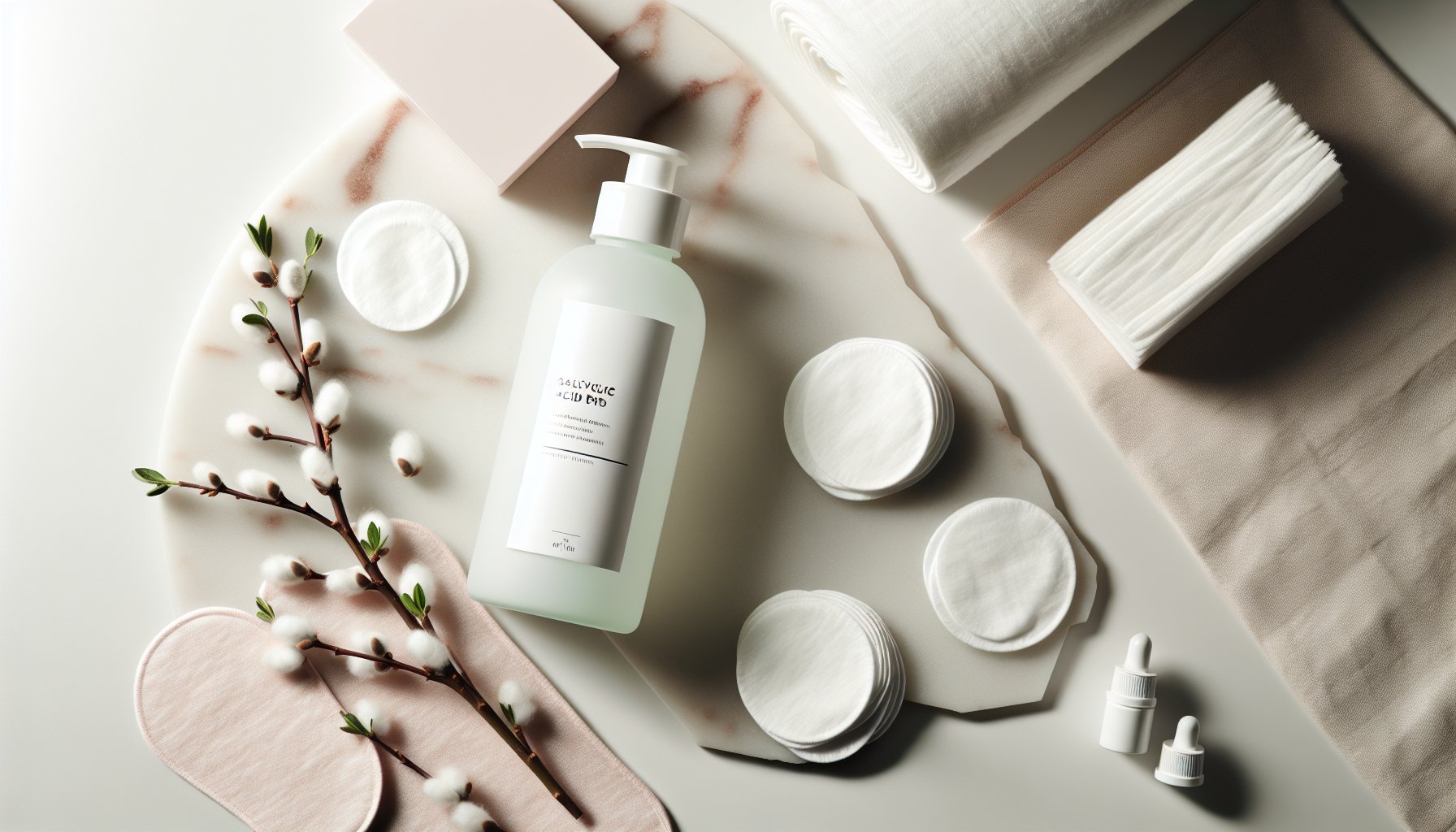
Salicylic acid is the gold standard beta hydroxy acid (BHA) in over-the-counter acne treatment, and the research backs it up. A 2010 study in the Journal of Cosmetic Dermatology found that a 2% salicylic acid solution reduced acne lesion count by up to 52% over 12 weeks. Its oil-soluble structure lets it penetrate directly into clogged pores — something water-soluble exfoliants simply cannot do.
Quick Summary:
- Salicylic acid is an oil-soluble BHA that penetrates pores to dissolve trapped sebum and dead skin cells
- Concentrations of 0.5% to 2% are effective for daily use; higher concentrations are used in professional peels
- It treats blackheads, whiteheads, and inflammatory acne while reducing excess oil production
- Start with a lower concentration (0.5%–1%) and use every other day to avoid irritation
- BHA pairs well with hydrating ingredients like hyaluronic acid and niacinamide but should not be layered with other strong exfoliants
What Is Salicylic Acid?
Salicylic acid is a beta hydroxy acid derived from willow bark, though most modern formulations use a synthetic version for consistency and stability. Unlike alpha hydroxy acids (AHAs) such as glycolic acid, which are water-soluble and work on the skin's surface, salicylic acid is lipophilic — it dissolves in oil. This single property is what makes it uniquely effective for anyone dealing with clogged pores and oily skin.
The FDA classifies salicylic acid as an active drug ingredient for acne treatment, and it's one of only a handful of over-the-counter ingredients approved for this purpose. You'll find it in everything from cleansers and toners to spot treatments and leave-on exfoliants, typically at concentrations between 0.5% and 2%.
How Salicylic Acid Works on Skin
Salicylic acid's mechanism is straightforward: it breaks down the intercellular "glue" (desmosomes) that holds dead skin cells together inside the pore lining. A 2009 study published in Clinical Therapeutics confirmed that salicylic acid acts as both a keratolytic and comedolytic agent — it dissolves keratin plugs and prevents new comedones (clogged pores) from forming.
Here's what happens when salicylic acid contacts your skin:
- Penetration into the pore. Because it's oil-soluble, salicylic acid cuts through the sebum sitting inside your pores. Water-soluble acids stay on the surface; BHA goes deeper.
- Dissolution of dead skin cells. Once inside the pore, it loosens the buildup of dead keratinocytes that create blackheads and whiteheads.
- Anti-inflammatory action. Salicylic acid is chemically related to aspirin (acetylsalicylic acid) and shares its anti-inflammatory properties. Research published in the Journal of Clinical and Aesthetic Dermatology in 2019 showed it reduces redness and swelling associated with inflammatory acne lesions.
- Oil regulation. Regular use helps normalize sebum production over time, which is why it's a go-to for oily skin types.
This combination of exfoliation, anti-inflammatory action, and oil control is why dermatologists have recommended salicylic acid for acne for decades.
Salicylic Acid Concentrations: What to Choose
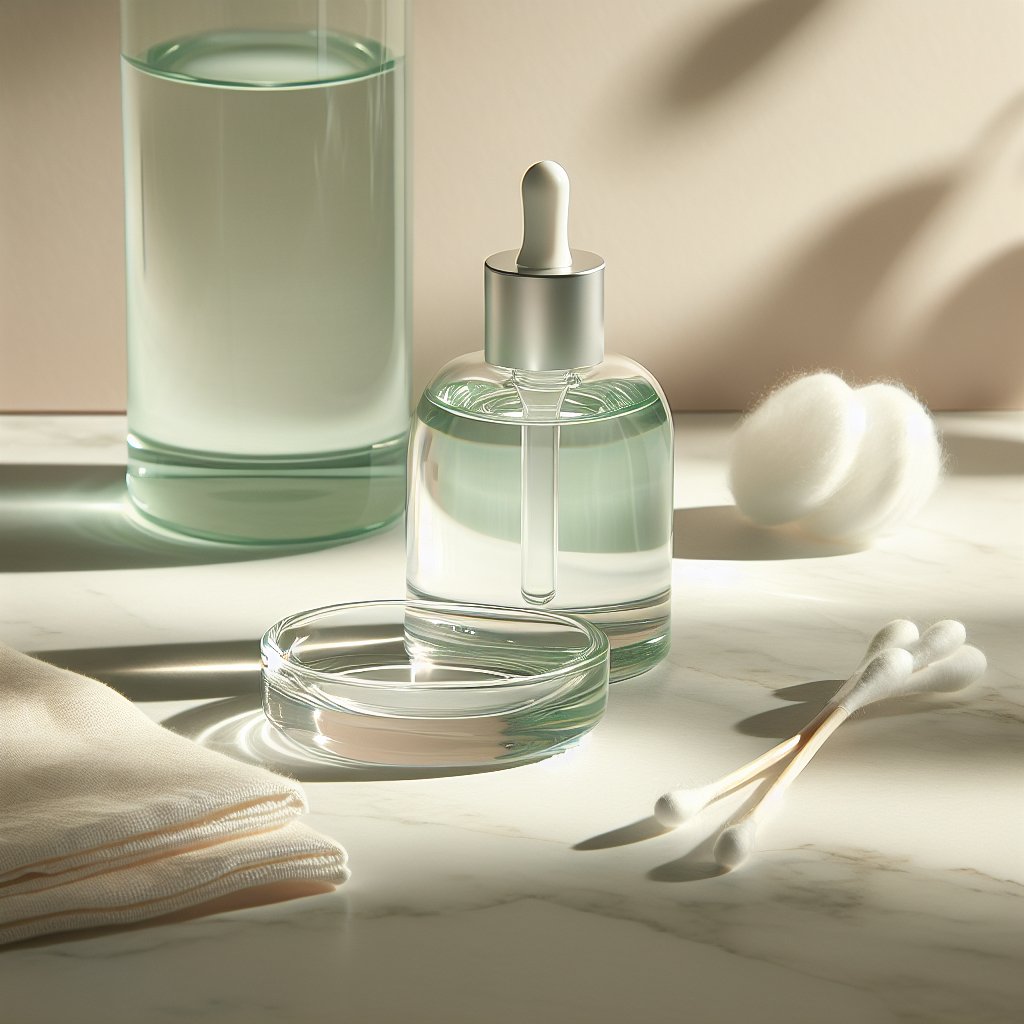
Not all salicylic acid products are created equal. The concentration and product type determine how your skin responds.
0.5% Salicylic Acid
Best for sensitive skin or BHA beginners. This concentration provides gentle exfoliation with minimal irritation risk. It's effective for maintaining clear skin once acne is under control.
1% Salicylic Acid
A solid middle ground. This concentration works well for mild acne and regular exfoliation without the drying effects of higher percentages.
2% Salicylic Acid
The maximum concentration available in most over-the-counter leave-on products. A 2012 study in the Indian Journal of Dermatology, Venereology and Leprology compared 2% salicylic acid to benzoyl peroxide for mild to moderate acne and found comparable efficacy, with salicylic acid causing significantly less dryness and irritation. This is the concentration to reach for if you have persistent blackheads, active breakouts, or chronically clogged pores.
Professional Peels (20%–30%)
Dermatologists and estheticians use much higher concentrations for in-office peels. These are not for home use and require professional supervision.
Verdict: For most people dealing with acne, blackheads, or oily skin, a 2% salicylic acid leave-on treatment applied once daily is the most effective over-the-counter approach. Start with every-other-day use and build up as your skin adjusts.
Best Salicylic Acid Products
The delivery format matters almost as much as the concentration. Here are the main options and when to use each one.
Leave-On Treatments (Most Effective)
Leave-on products give salicylic acid the most contact time with your skin, making them the most effective format. Paula's Choice 2% BHA Liquid Exfoliant (around $32) is widely considered the benchmark — it's a no-rinse liquid at the ideal 2% concentration with a pH of 3.2, which is within the range where salicylic acid is most active. Another strong option is COSRX BHA Blackhead Power Liquid (around $25), which uses betaine salicylate (a gentler BHA derivative) at 4% and works well for those who find pure salicylic acid too intense.
For a budget-friendly alternative, The Ordinary Salicylic Acid 2% Solution (around $6) delivers the same active concentration at a fraction of the price.
Cleansers
BHA cleansers are a good entry point because the short contact time reduces irritation risk. CeraVe SA Cleanser (around $16) combines salicylic acid with ceramides and hyaluronic acid, so it exfoliates without stripping your moisture barrier. Neutrogena Oil-Free Acne Wash (around $8) is another drugstore staple with 2% salicylic acid. Keep in mind that cleansers wash off quickly, so the actual exfoliation you get is less than a leave-on product.
How to Pick
If your skin tolerates it, a leave-on treatment at 2% will always outperform a cleanser. But if you have sensitive skin or you're new to acids, start with a BHA cleanser and graduate to a leave-on product after a few weeks.
How to Add Salicylic Acid to Your Routine
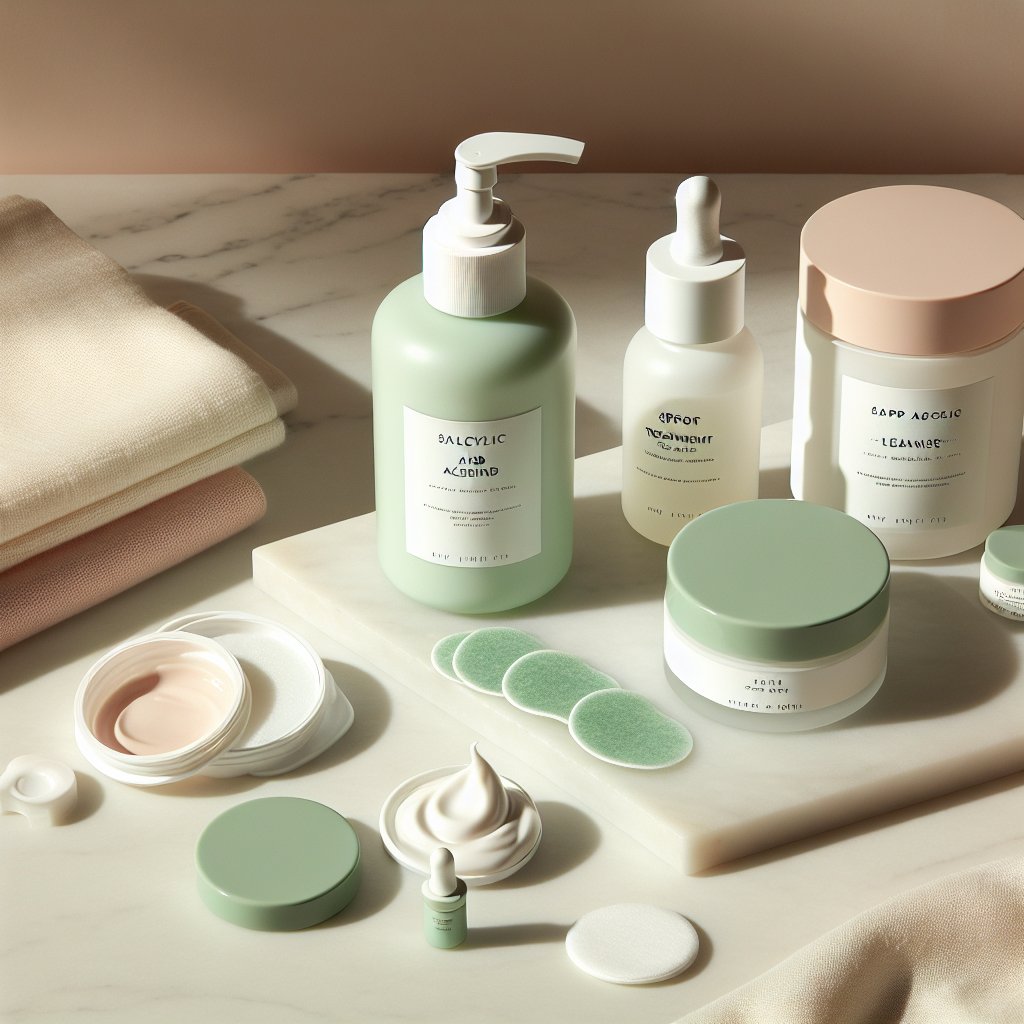
Getting the most out of BHA comes down to timing, frequency, and what you pair it with.
Step-by-Step Application
- Cleanse your face with a gentle cleanser
- Apply your salicylic acid treatment to dry skin (BHA works best on dry skin, not damp)
- Wait 1–2 minutes for absorption
- Follow with a hydrating serum or moisturizer
- Apply sunscreen in the morning — any exfoliant increases sun sensitivity
Frequency
- Week 1–2: Every other day, once per day
- Week 3–4: Once daily (evening is ideal)
- Ongoing: Once or twice daily, depending on tolerance
What to Pair With BHA
Salicylic acid works best alongside hydrating and soothing ingredients. Hyaluronic acid, ceramides, and niacinamide are all safe and complementary. In fact, combining BHA with niacinamide can enhance results — niacinamide regulates oil production and calms inflammation through a different pathway.
What NOT to Mix With BHA
Avoid layering salicylic acid with other exfoliants at the same time. Using BHA alongside AHAs like glycolic acid, retinol, or benzoyl peroxide in the same routine step can cause excessive dryness, peeling, and irritation. If you want to use multiple actives, alternate them — BHA in the evening and retinol on off nights, for example. Our guide on how to exfoliate covers safe combination strategies in detail.
Common Mistakes With Salicylic Acid
Using too many BHA products at once. A salicylic acid cleanser plus a BHA toner plus a spot treatment is overkill. Pick one leave-on product and stick with it.
Applying to wet skin. Water dilutes the acid and reduces its ability to penetrate pores. Always apply BHA to dry skin.
Skipping moisturizer. Even oily skin needs hydration, especially when using an active exfoliant. Skipping moisturizer can trigger rebound oil production that makes breakouts worse.
Expecting overnight results. Salicylic acid works by preventing new clogged pores from forming. Existing blackheads and breakouts take 4–6 weeks of consistent use to clear. A 2019 review in Dermatologic Therapy confirmed that BHA products require at least 8 weeks of regular use to show statistically significant acne improvement.
Ignoring sunscreen. BHA increases photosensitivity. Using it without daily sunscreen is counterproductive — UV exposure triggers post-inflammatory hyperpigmentation, especially on acne-prone skin.
Salicylic Acid for Specific Skin Concerns
Blackheads and Whiteheads
This is where salicylic acid truly excels. Its ability to dissolve oil and dead skin inside the pore makes it the single most effective over-the-counter treatment for comedonal acne. Consistent daily use at 2% can dramatically reduce blackheads within 6–8 weeks.
Inflammatory Acne
BHA's anti-inflammatory properties help reduce the redness and swelling of pimples and pustules. For moderate to severe inflammatory acne, salicylic acid works best as part of a broader treatment plan — pairing it with benzoyl peroxide (at different times of day) covers both bacterial and pore-clogging causes.
Large Pores
Salicylic acid won't physically shrink pore size (nothing topical can), but by keeping pores clear of debris, it makes them appear visibly smaller. Clean pores reflect less shadow and look tighter. Check our large pores guide for a full approach.
Keratosis Pilaris (KP)
Those small, rough bumps on upper arms and thighs respond well to BHA. The keratolytic action breaks down the keratin plugs causing KP. Body washes and lotions containing 2% salicylic acid are effective for this.
Frequently Asked Questions
Can I use salicylic acid every day?
Yes, once your skin has adjusted. Start with every other day and increase to daily use over 2–3 weeks. Most people tolerate a 2% leave-on treatment once daily without issues. If you experience persistent dryness or flaking, scale back to every other day.
Is salicylic acid safe during pregnancy?
Topical salicylic acid at concentrations of 2% or less is generally considered safe during pregnancy by the American College of Obstetricians and Gynecologists. However, high-concentration peels (20%+) and oral salicylates should be avoided. Always confirm with your OB-GYN.
Can salicylic acid cause purging?
Yes. When you start using BHA, it speeds up the turnover of clogged pores, which can push existing microcomedones to the surface faster. This "purging" phase typically lasts 2–4 weeks. If breakouts continue beyond 6 weeks or appear in areas where you don't normally break out, the product may not be right for your skin.
What's the difference between salicylic acid and glycolic acid?
Salicylic acid (BHA) is oil-soluble and works inside pores — best for acne, blackheads, and oily skin. Glycolic acid (AHA) is water-soluble and works on the skin's surface — best for dullness, fine lines, and sun damage. Both exfoliate, but through different mechanisms for different concerns.
Can I use salicylic acid with retinol?
You can, but not at the same time. Apply BHA in the morning and retinol at night, or alternate nights. Using both simultaneously increases irritation risk significantly without adding proportional benefit.
Does salicylic acid help with hyperpigmentation?
Indirectly, yes. By accelerating cell turnover and clearing pores, BHA helps fade post-inflammatory hyperpigmentation (dark spots left by acne) faster. For active pigmentation treatment, pair it with ingredients like vitamin C or niacinamide.
How long does salicylic acid take to work?
Expect initial improvements in skin texture within 2–3 weeks. Significant acne clearing takes 6–8 weeks of consistent use. Blackhead reduction is typically visible within 4–6 weeks.
Is 2% salicylic acid too strong for sensitive skin?
It can be. If you have sensitive or reactive skin, start with 0.5% concentration or a BHA cleanser (shorter contact time). Some people with sensitive skin do well with betaine salicylate, the gentler BHA derivative found in products like COSRX BHA Blackhead Power Liquid.
Should I use salicylic acid in the morning or at night?
Either works, but evening application is slightly preferable because it avoids daytime sun exposure right after application. If you use it in the morning, sunscreen is non-negotiable.
Can I use salicylic acid on my body?
Absolutely. BHA is effective for body acne, keratosis pilaris, and ingrown hairs. Body washes with 2% salicylic acid or leave-on body lotions with BHA work well for these concerns.
What pH does salicylic acid need to be effective?
Salicylic acid performs best at a pH between 3.0 and 4.0. Below 3.0, it becomes too irritating for most skin; above 4.0, its exfoliating activity drops significantly. Well-formulated products will fall within this range.
The Bottom Line
Salicylic acid is one of the most effective and well-studied ingredients you can put on acne-prone or oily skin. A 2% leave-on treatment, used consistently, clears blackheads, reduces breakouts, and keeps pores clean. Start slow, moisturize well, wear sunscreen, and give it 6–8 weeks. For most people, it delivers visible results without a prescription.
Sources:
- Arif T. "Salicylic acid as a peeling agent: a comprehensive review." Clinical, Cosmetic and Investigational Dermatology. 2015;8:455-461. https://www.ncbi.nlm.nih.gov/pmc/articles/PMC4554394/
- Decker A, Graber EM. "Over-the-counter Acne Treatments: A Review." Journal of Clinical and Aesthetic Dermatology. 2012;5(5):32-40. https://www.ncbi.nlm.nih.gov/pmc/articles/PMC3366450/
- Lu J, et al. "A randomized, single-blinded study comparing the efficacy of 2% salicylic acid and 5% benzoyl peroxide." Indian Journal of Dermatology, Venereology and Leprology. 2012;78(5):569-574. https://pubmed.ncbi.nlm.nih.gov/22960810/
- Zaenglein AL, et al. "Guidelines of care for the management of acne vulgaris." Journal of the American Academy of Dermatology. 2016;74(5):945-973. https://www.jaad.org/article/S0190-9622(15)02614-6/fulltext
- Fox L, et al. "Treatment Modalities for Acne." Molecules. 2016;21(8):1063. https://www.ncbi.nlm.nih.gov/pmc/articles/PMC6273829/