
Vitamin C is one of the most studied antioxidants in skincare, and the research backs up the hype. A 2017 review in the journal Nutrients found that topical vitamin C at concentrations of 10-20% significantly reduces UV-induced photodamage, boosts collagen synthesis, and inhibits melanin production. It is one of the few ingredients with decades of clinical evidence supporting its role in both protecting and repairing skin.
Quick Summary:
- L-ascorbic acid is the most potent and well-researched form of vitamin C for skin
- Concentrations between 10-20% deliver the best results without excessive irritation
- Vitamin C works best at a low pH (below 3.5) and should be applied to clean, dry skin
- Pair vitamin C with vitamin E and ferulic acid for enhanced stability and effectiveness
- Store vitamin C serums in dark, airtight bottles and discard if the solution turns brown
What Is Topical Vitamin C?
Vitamin C (ascorbic acid) is a water-soluble antioxidant that your skin cannot produce on its own. While eating vitamin C-rich foods supports overall health, oral intake has limited impact on skin concentrations. Topical application delivers vitamin C directly where it neutralizes free radicals, stimulates collagen production, and brightens uneven tone.
Your skin's vitamin C levels decline with age and UV exposure. Research published in the American Journal of Clinical Nutrition shows that sun-exposed skin contains 30% less vitamin C than unexposed skin. Topical serums replenish this deficit far more effectively than diet alone, making them a cornerstone of any anti-aging routine.
How Vitamin C Works on Skin
Vitamin C protects skin through several well-documented mechanisms. As an antioxidant, it donates electrons to neutralize reactive oxygen species (free radicals) generated by UV radiation and pollution. This prevents the chain reaction of oxidative damage that breaks down collagen and accelerates aging.
Beyond defense, vitamin C actively promotes skin repair. It serves as an essential cofactor for prolyl hydroxylase and lysyl hydroxylase, both required for collagen synthesis. Without adequate vitamin C, your body cannot produce stable collagen fibers. A study in the Journal of Clinical and Aesthetic Dermatology confirmed that 12 weeks of topical vitamin C led to significant improvements in fine lines, roughness, and skin tone.
Vitamin C also inhibits the enzyme tyrosinase, which controls melanin production. This makes it effective for fading dark spots and treating hyperpigmentation. Unlike some brightening agents, vitamin C does not bleach or damage melanocytes -- it simply slows excess pigment production.
When paired with sunscreen, vitamin C provides a second line of defense against UV damage. Research by Pinnell et al. demonstrated that combining 15% L-ascorbic acid with vitamin E and ferulic acid provided roughly four times the photoprotection of vitamin C alone. This is why many formulas combine all three. For full sun protection, always pair your vitamin C serum with a broad-spectrum sunscreen, as outlined in our sunscreen guide.
Forms of Vitamin C in Skincare
Not all vitamin C is created equal. Here are the forms you will find in skincare products:
L-Ascorbic Acid (LAA)
This is the pure, active form of vitamin C and the most extensively studied. It is the gold standard for efficacy, but also the most unstable. LAA requires a low pH (below 3.5) to penetrate skin effectively, which can cause stinging or irritation for sensitive skin types. Concentrations of 10-20% are backed by research as the effective range -- going above 20% increases irritation without adding benefits.
Ascorbyl Glucoside
A stable, water-soluble derivative that converts to ascorbic acid once absorbed. It works at a neutral pH, making it gentler. Clinical evidence supports its brightening effects, though it is generally considered less potent than LAA.
Magnesium Ascorbyl Phosphate (MAP)
Another stable derivative effective at a neutral pH. Studies show MAP at 10% can improve skin hydration and brightness. It is a good choice for those with dry or sensitive skin who cannot tolerate L-ascorbic acid.
Ascorbyl Tetraisopalmitate
An oil-soluble form that penetrates skin through a different pathway than water-soluble forms. It is more stable than LAA and works well in oil-based serums and moisturizers.
3-O-Ethyl Ascorbic Acid
A newer derivative with good stability and direct antioxidant activity -- it does not need to convert to ascorbic acid first. Studies suggest it inhibits melanin production effectively.
Verdict: L-ascorbic acid at 10-20% concentration, formulated at a low pH with vitamin E and ferulic acid, remains the most effective topical vitamin C option for most people. If your skin cannot handle it, ascorbyl glucoside or magnesium ascorbyl phosphate are solid alternatives with gentler profiles.
How to Apply Vitamin C Serum
Getting the most from your vitamin C serum comes down to timing and technique.
Step 1: Cleanse. Start with clean skin. Residue from other products can interfere with absorption. If you double cleanse in the evening, vitamin C is typically a morning step.
Step 2: Apply to dry skin. Pat your face dry after cleansing. Applying vitamin C to damp skin can dilute the formula and alter the pH, reducing penetration.
Step 3: Use 4-5 drops. Spread the serum evenly across your face, avoiding the eye area unless the product is specifically formulated for it. A little goes a long way.
Step 4: Wait 1-2 minutes. Give the serum time to absorb before layering your next product.
Step 5: Follow with moisturizer and sunscreen. Vitamin C sits early in your routine because of its thin, water-based texture. For the full breakdown of product layering, see our guide to skincare product order.
Most dermatologists recommend using vitamin C in the morning, since its antioxidant properties complement sunscreen by neutralizing free radicals that UV filters miss. That said, evening application works too -- vitamin C remains active in the skin for up to 72 hours after application.
Product Recommendations
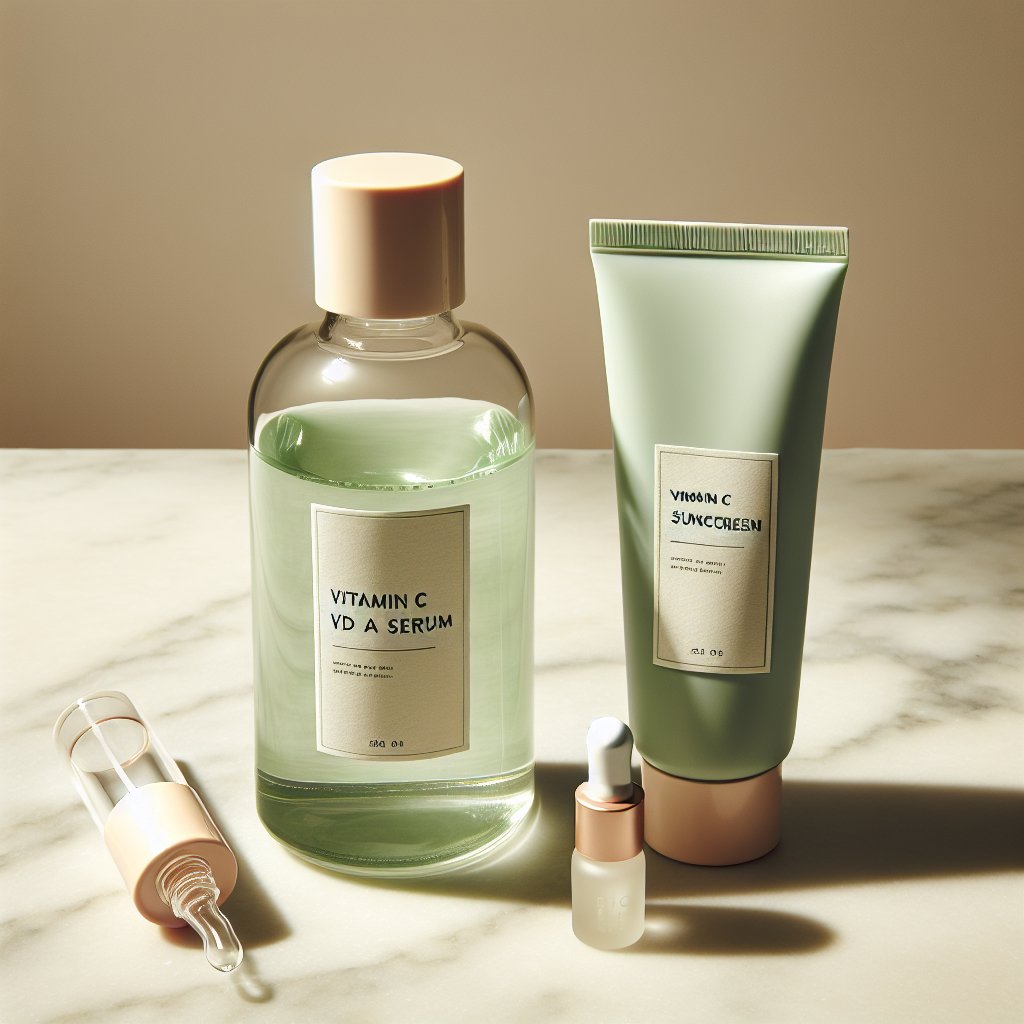
These vitamin C serums cover different budgets and skin sensitivities.
Best overall (premium): SkinCeuticals C E Ferulic (around $182) is the benchmark other vitamin C serums are measured against. It contains 15% L-ascorbic acid, 1% vitamin E, and 0.5% ferulic acid -- the exact combination from the Pinnell study. The price is steep, but the research pedigree is unmatched.
Best budget option: The Ordinary Vitamin C Suspension 23% + HA Spheres 2% (around $6) packs a high concentration of L-ascorbic acid into an affordable suspension. The texture is gritty, but the results are real at a fraction of the cost.
Best for sensitive skin: La Roche-Posay Vitamin C Serum (around $40) uses a 10% concentration of pure vitamin C combined with salicylic acid and neurosensine. It is well-tolerated by reactive skin types and absorbs cleanly.
Best mid-range: Paula's Choice C15 Super Booster (around $52) delivers 15% L-ascorbic acid alongside vitamin E and ferulic acid in a lightweight formula. It works well layered under moisturizer and sunscreen.
Best value with proven formula: Timeless Vitamin C + E Ferulic Acid Serum (around $25) replicates the C+E+ferulic combination at a much lower price point than SkinCeuticals. It ships fresh with a manufacture date on the bottle, so you know exactly what you are getting.
Stability and Storage: Why Your Vitamin C Turns Brown
L-ascorbic acid is notoriously unstable. It oxidizes when exposed to light, air, and heat, turning from clear to orange and eventually brown. An oxidized vitamin C serum is not just ineffective -- it can generate free radicals and potentially harm your skin.
To keep your serum fresh:
- Buy products in dark, opaque bottles with airless pump dispensers when possible
- Store in a cool, dark place -- a bathroom cabinet works, or the refrigerator for maximum shelf life
- Use within 2-3 months of opening, especially for L-ascorbic acid formulas
- Discard immediately if the serum turns dark orange or brown
- Check the packaging date if the brand provides one
Vitamin C derivatives like ascorbyl glucoside and magnesium ascorbyl phosphate are far more stable and do not carry the same oxidation concerns. If you live in a hot climate or go through products slowly, a derivative-based serum is the more practical choice.
Common Mistakes with Vitamin C
Mixing with niacinamide incorrectly. Older advice warned against combining vitamin C with niacinamide, claiming they cancel each other out. Current research has debunked this -- the original concern was based on extreme lab conditions that do not apply to real-world skincare use.
Using too high a concentration too soon. Starting at 20% L-ascorbic acid when your skin has never seen vitamin C is a recipe for redness and irritation. Begin with 10% and work up over several weeks.
Applying to wet skin. Water dilutes the low-pH formula and reduces absorption. Always apply to fully dry skin.
Skipping sunscreen. Vitamin C enhances sun protection but does not replace it. Without sunscreen, you lose a significant portion of the benefit.
Keeping oxidized product. A brown vitamin C serum is doing more harm than good. Replace it rather than trying to use up the bottle.
Frequently Asked Questions
What percentage of vitamin C is best for beginners?
Start with 10% L-ascorbic acid or a gentler derivative like ascorbyl glucoside. This concentration delivers measurable benefits with minimal irritation risk. After 4-6 weeks of consistent use, you can move up to 15-20% if your skin tolerates it well.
Can I use vitamin C every day?
Yes. Vitamin C is safe for daily use, and consistent application produces the best results. Most people apply it every morning as part of their AM routine. If you experience irritation, drop to every other day until your skin adjusts.
Does vitamin C help with dark spots?
Vitamin C is one of the best-studied ingredients for treating hyperpigmentation. It inhibits tyrosinase, the enzyme responsible for melanin overproduction, and clinical trials show visible improvement in dark spots after 8-12 weeks of consistent use.
Should I apply vitamin C in the morning or at night?
Morning application is preferred because vitamin C's antioxidant activity complements your sunscreen. However, it remains active in skin for up to 72 hours, so evening use still provides protection the following day. Choose whichever time fits your routine.
Can I mix vitamin C with retinol?
You can, though using them at different times of day avoids potential irritation. Vitamin C in the morning and retinol at night is the most common approach. If you want to layer them in the same routine, apply vitamin C first (lower pH) and follow with retinol after it absorbs.
Why does my vitamin C serum sting?
L-ascorbic acid formulas have a low pH (around 2.5-3.5), which can cause a brief tingling sensation on application. This is normal and typically subsides within a minute. If stinging persists or causes redness, switch to a lower concentration or a derivative-based formula.
How long does it take to see results from vitamin C?
Most clinical studies show measurable improvements in skin brightness, fine lines, and dark spots after 8-12 weeks of daily use. Some people notice a brighter complexion within 2-3 weeks, but collagen-building benefits take longer to become visible.
Is vitamin C safe during pregnancy?
Topical vitamin C is generally considered safe during pregnancy and breastfeeding. It is not on the list of ingredients that dermatologists advise avoiding, unlike retinoids and certain chemical exfoliants. Always confirm with your healthcare provider if you have concerns.
How do I know if my vitamin C serum has gone bad?
Check the color and smell. A fresh L-ascorbic acid serum is clear to light straw-colored. If it has turned dark orange or brown, or develops an unusual odor, the vitamin C has oxidized and the product should be discarded.
Can vitamin C replace sunscreen?
No. Vitamin C boosts your skin's defense against UV damage but does not block or absorb UV rays the way sunscreen does. Think of vitamin C as a backup system -- it catches the free radicals that get past your sunscreen. You need both for proper protection.
What is the difference between vitamin C serum and vitamin C cream?
Serums contain higher concentrations of L-ascorbic acid in a fast-absorbing formula designed for direct penetration. Creams typically use gentler derivatives at lower concentrations within an emollient base. Serums deliver more potent results, while creams suit those who want a milder approach with added hydration.
The Bottom Line
Vitamin C is one of the most effective and well-researched topical antioxidants available. A serum with 10-20% L-ascorbic acid, applied every morning before sunscreen, protects against UV damage, fades dark spots, and builds collagen over time. Start at a lower concentration, store your serum properly, and give it 8-12 weeks to show results.
Sources:
- Pullar JM, Carr AC, Vissers MCM. The Roles of Vitamin C in Skin Health. Nutrients. 2017;9(8):866. https://pubmed.ncbi.nlm.nih.gov/28805671/
- Pinnell SR, Yang H, Omar M, et al. Topical L-ascorbic acid: percutaneous absorption studies. Dermatologic Surgery. 2001;27(2):137-142. https://pubmed.ncbi.nlm.nih.gov/11207686/
- Traikovich SS. Use of topical ascorbic acid and its effects on photodamaged skin topography. Archives of Otolaryngology--Head & Neck Surgery. 1999;125(10):1091-1098. https://pubmed.ncbi.nlm.nih.gov/10522500/
- Al-Niaimi F, Chiang NYZ. Topical Vitamin C and the Skin: Mechanisms of Action and Clinical Applications. Journal of Clinical and Aesthetic Dermatology. 2017;10(7):14-17. https://pubmed.ncbi.nlm.nih.gov/29104718/
- Lin FH, Lin JY, Gupta RD, et al. Ferulic acid stabilizes a solution of vitamins C and E and doubles its photoprotection of skin. Journal of Investigative Dermatology. 2005;125(4):826-832. https://pubmed.ncbi.nlm.nih.gov/16185284/