A 2025 Delphi consensus study surveying 62 top cosmetic dermatologists across 43 institutions found that out of 318 possible skincare ingredients, only 23 earned approval for treating seven common skin concerns. Every one of those 23 ingredients — retinoids, niacinamide, ceramides, hyaluronic acid, salicylic acid, and others — is available in drugstore products costing under $20. The science doesn't care about the price tag.
Quick Summary:
- Of 318 skincare ingredients evaluated by dermatologists, only 23 received consensus approval — all available in drugstore products
- CeraVe, Neutrogena, Vanicream, and The Ordinary contain the same proven actives found in luxury lines
- A 200-person study found no significant difference between affordable and expensive retinol after 12 weeks
- FDA OTC monographs require all products with the same active ingredient to meet identical safety standards
- Premium prices primarily reflect marketing, packaging, and brand positioning — not ingredient quality
Why Price Doesn't Equal Efficacy
The skincare industry operates on a simple pricing reality: standard industry markup multiplies production costs by five to six times for the retail price. A $60 serum that costs $10 to manufacture uses the same niacinamide as a $12 serum that costs $3 to manufacture. The difference goes to packaging, marketing, brand ambassadors, and retailer margins — not to the ingredients.
A study comparing affordable and premium retinol products across 200 participants found no statistically significant difference in results after 12 weeks of consistent use. Both groups showed equal improvements in skin texture, fine line reduction, and overall radiance. The active ingredient does the work, not the brand name printed on the box.
For OTC drug products — which includes sunscreens, acne treatments, and anti-dandruff formulas — the FDA's monograph system requires all products containing the same active ingredient to meet identical safety and efficacy standards. A $13 drugstore sunscreen with 9% zinc oxide provides the same UV protection as a $45 luxury zinc oxide sunscreen at the same concentration.
The Best Drugstore Brands
CeraVe
Developed with dermatologists and built around three essential ceramides plus MVE (multivesicular emulsion) technology for sustained ingredient release. A clinical study published in Dermatology and Therapy found CeraVe formulations increased skin hydration by more than 6.5 units over 24 hours — meeting clinical thresholds for atopic dermatitis treatment.
Best products:
- CeraVe Hydrating Facial Cleanser (around $16) — ceramides + hyaluronic acid
- CeraVe Moisturizing Cream (around $16) — three essential ceramides
- CeraVe Resurfacing Retinol Serum (around $20) — retinol + ceramides
The Ordinary
Transparent about ingredient concentrations and pricing. Single-ingredient and simple-formula products that deliver proven actives without filler ingredients or luxury markups.
Best products:
- The Ordinary Niacinamide 10% + Zinc 1% (around $6) — sebum regulation + barrier support
- The Ordinary Retinol 0.5% in Squalane (around $7) — effective retinol concentration in a stable base
Vanicream
Formulated specifically for sensitive skin — free of dyes, fragrance, masking fragrance, lanolin, parabens, and formaldehyde releasers. Dermatologist-recommended for eczema and contact dermatitis patients.
Best product: Vanicream Gentle Facial Cleanser (around $10) — minimal ingredient list for reactive skin
Neutrogena
Long history of dermatologist-backed formulations with strong clinical evidence, particularly in sun protection.
Best product: Neutrogena Hydro Boost Water Gel Sunscreen SPF 50 (around $17) — lightweight hydrating formula with broad-spectrum protection
Building a Complete Drugstore Routine
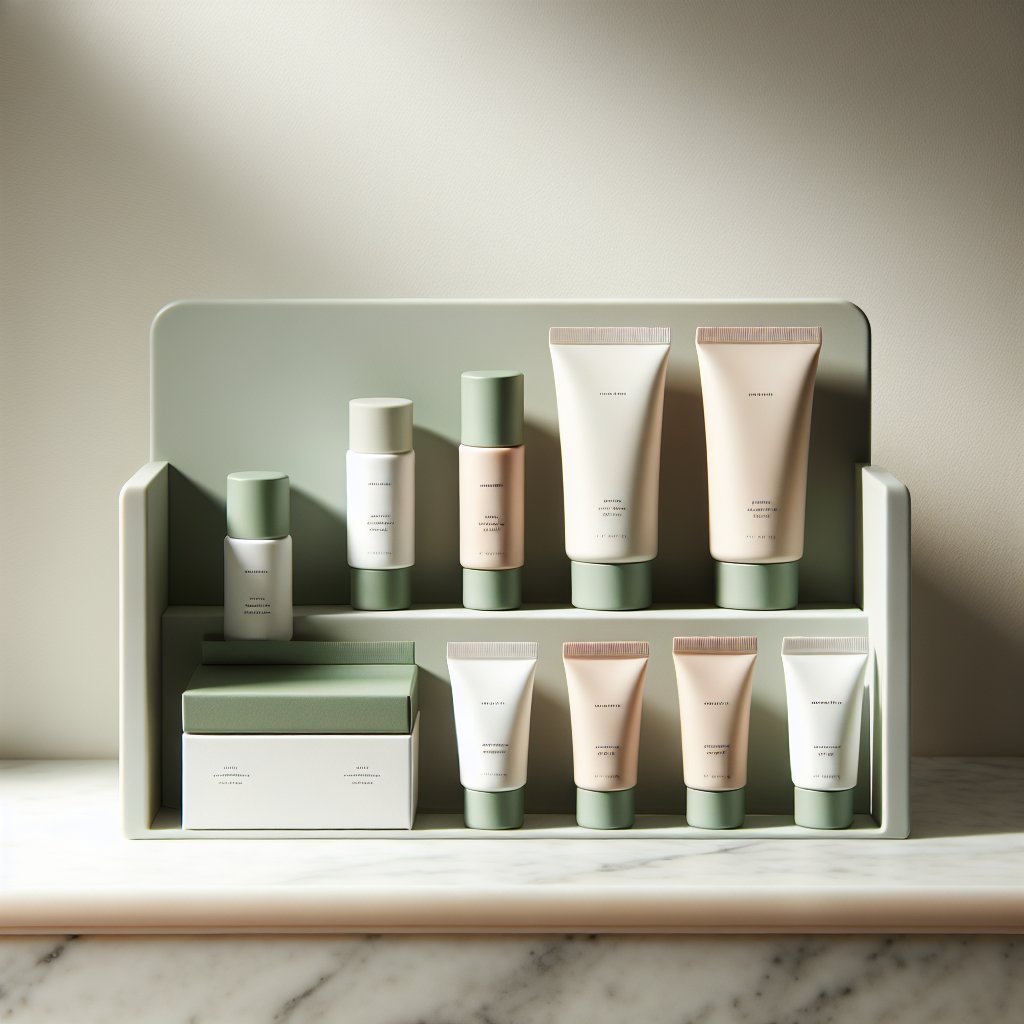
Morning:
- CeraVe Hydrating Facial Cleanser (around $16)
- The Ordinary Niacinamide 10% + Zinc 1% (around $6)
- CeraVe Moisturizing Cream (around $16)
- Neutrogena Hydro Boost Water Gel Sunscreen SPF 50 (around $17)
Evening:
- CeraVe Hydrating Facial Cleanser
- The Ordinary Retinol 0.5% in Squalane (around $7) — two to three times weekly
- CeraVe Moisturizing Cream
Total cost: approximately $62 for a complete routine covering cleansing, treatment, moisturizing, and sun protection. This routine contains every ingredient category that the dermatologist consensus study approved — for less than the price of a single luxury serum.
Verdict: Drugstore skincare delivers the same proven ingredients at a fraction of the cost. The 23 dermatologist-approved ingredients are available in products under $20 each. Build your routine around ingredients with clinical evidence, not brand prestige. A complete effective drugstore routine costs under $65.
When Premium Products Are Worth It
While most skincare purchases don't justify premium prices, a few categories offer genuine advantages at higher price points:
Prescription retinoids: Tretinoin (prescription) is more potent than OTC retinol. If your dermatologist prescribes it, the cost is justified by superior efficacy.
Elegant sunscreen formulations: If a luxury sunscreen's texture makes you wear it consistently while a drugstore version sits in your cabinet, the premium is worth it. The best sunscreen is the one you'll apply daily.
Specialty concerns: Specific formulations for conditions like severe rosacea or melasma may benefit from dermatologist-recommended products that combine multiple actives in clinically tested ratios.
Cosmetic elegance: Premium products sometimes offer better textures, faster absorption, and more pleasant sensory experiences. These don't improve efficacy but improve the likelihood of routine adherence.
Common Drugstore Skincare Mistakes
Buying based on marketing claims. Words like "luxury," "premium," "clinical-strength," and "advanced" have no regulated meaning. Read the ingredient list — the first five to ten ingredients determine the product's performance.
Assuming expensive means better. A $6 niacinamide serum from The Ordinary contains 10% niacinamide — the same concentration shown effective in clinical trials. A $45 niacinamide serum from a luxury brand contains the same ingredient at potentially the same concentration. Compare labels, not prices.
Ignoring ingredient concentrations. Not all drugstore products are formulated equally. Check that active ingredients are present at clinically effective concentrations: retinol at 0.25-1%, niacinamide at 4-5%, salicylic acid at 0.5-2%, vitamin C at 10-20%.
Overcomplicating the routine. Affordable prices make it tempting to buy many products. A targeted routine of four to five well-chosen products outperforms a 12-step routine of mediocre ones. See our minimalist routine guide.
Frequently Asked Questions
Is drugstore skincare actually as good as luxury?
For the active ingredients that matter — retinol, niacinamide, ceramides, hyaluronic acid, salicylic acid, benzoyl peroxide, sunscreen filters — yes. Clinical studies show no significant difference in efficacy between affordable and premium formulations of the same active at the same concentration.
Why do dermatologists recommend CeraVe so often?
CeraVe was developed with dermatologists, contains clinically proven ceramides, is fragrance-free, and is priced accessibly. Clinical studies confirm its efficacy for barrier repair and hydration. It's not the only good drugstore option, but its consistent formulation quality earns frequent recommendations.
Are The Ordinary products too strong for beginners?
Some are. The Ordinary offers products at various concentrations — their 0.2% retinol is beginner-appropriate, while their 1% retinol is for experienced users. Read concentration labels carefully and start with lower strengths. See our introducing new products guide.
What should I look for on a drugstore skincare label?
Check the active ingredients and their position in the ingredient list (higher = more concentrated). Look for clinically proven actives like retinol, niacinamide, hyaluronic acid, ceramides, or salicylic acid. Avoid products where fragrance appears in the top ten ingredients.
Can I mix drugstore and premium products?
Absolutely. Many people use a drugstore cleanser and moisturizer with a premium serum or sunscreen. Products from different brands and price points work together without issue — ingredients interact the same way regardless of the label.
Is Neutrogena still a good brand?
Neutrogena has a strong history of dermatologist-backed research, particularly in sun protection. Their Hydro Boost and Rapid Wrinkle Repair lines contain clinically effective ingredients at appropriate concentrations. Not every Neutrogena product is excellent, but their core lines remain solid drugstore options.
Why are some drugstore products so cheap?
Lower marketing costs, simpler packaging, larger production volumes, and established supply chains reduce costs. The ingredients themselves — niacinamide, ceramides, hyaluronic acid — are not expensive raw materials. Scale of production is the primary cost advantage.
Do drugstore products have the same preservatives?
Drugstore and premium products use similar preservative systems. Both must meet FDA cosmetic safety requirements. Some premium brands market "cleaner" preservative profiles, but this is largely marketing — standard preservatives like phenoxyethanol are well-established as safe.
Should I buy drugstore anti-aging products?
Yes. Retinol — the most evidence-backed anti-aging ingredient — is available in effective drugstore formulations. CeraVe and The Ordinary both offer retinol products at clinical concentrations for under $20. See our anti-aging guide.
Are drugstore sunscreens as protective as expensive ones?
If they contain the same UV filters at the same concentrations and meet the same SPF rating, yes. FDA regulates sunscreen as an OTC drug, meaning all SPF 30 sunscreens must meet the same protection standards regardless of price.
Where should I spend more if I have limited budget?
If you can only afford one premium product, make it sunscreen — it's the single most impactful daily product. A sunscreen you enjoy wearing (good texture, no white cast) ensures daily use. Everything else in your routine can be drugstore without compromise.
The Bottom Line
Drugstore skincare delivers clinically proven ingredients at accessible prices. Build your routine around the 23 dermatologist-approved actives — retinoids, niacinamide, ceramides, hyaluronic acid, and mineral sunscreen — all available for under $20 per product. A complete effective routine costs under $65, proving that good skincare is about ingredient knowledge, not spending power.
Sources:
- Skincare ingredients recommended by cosmetic dermatologists: A Delphi consensus study. J Am Acad Dermatol. 2025. https://studyfinds.org/dermatologists-finally-agree-major-study-reveals-skincare-ingredients-that-work/
- Del Rosso JQ, et al. An Investigation of the Skin Barrier Restoring Effects of a Cream and Lotion Containing Ceramides. Dermatol Ther. 2020. https://pmc.ncbi.nlm.nih.gov/articles/PMC7477057/
- Lodén M, et al. The Efficacy of Moisturisers Containing Ceramide. Skin Pharmacol Physiol. 2023. https://pmc.ncbi.nlm.nih.gov/articles/PMC10162745/
- Boo YC. Mechanistic Basis and Clinical Evidence for the Applications of Nicotinamide (Niacinamide). Antioxidants. 2021;10(8):1315. https://pmc.ncbi.nlm.nih.gov/articles/PMC8389214/
- FDA. Over-the-Counter (OTC) Drug Review. https://www.fda.gov/drugs/over-counter-otc-nonprescription-drugs/over-counter-otc-drug-review-otc-monograph-reform-cares-act