
A 2020 study in the International Journal of Cosmetic Science found that using a cleanser with a pH above 7.0 increased transepidermal water loss by 25% and disrupted the skin's acid mantle within two weeks. Your cleanser touches your face more than any other product — twice a day, every day — so the wrong one quietly undermines everything else you apply.
Quick Summary:
- Your cleanser's pH should fall between 4.5 and 6.5 to match your skin's natural acid mantle and protect the moisture barrier
- Cream and lotion cleansers work best for dry and sensitive skin; gel and foaming formulas suit oily and combination types
- Harsh sulfates like sodium lauryl sulfate strip natural oils and weaken the skin barrier over time
- A good cleanser removes dirt, oil, and sunscreen without leaving your skin feeling tight, dry, or squeaky
- Spending more on a cleanser rarely pays off — effective, dermatologist-recommended options start around $10
What a Cleanser Actually Does
A cleanser dissolves and removes sebum, dead skin cells, makeup, sunscreen, and pollution from the skin's surface. Without proper cleansing, every serum and moisturizer you apply sits on top of debris, reducing absorption.
But cleansing is also where many people damage their skin. Surfactants — the ingredients that make cleansers foam and cut through oil — can strip away natural lipids that keep your skin barrier intact, leading to dryness, irritation, and paradoxically, more oil production. The goal is a cleanser that removes what needs to go while leaving your barrier undisturbed. That balance depends on your skin type, the cleanser's formulation, and its pH.
Types of Facial Cleansers
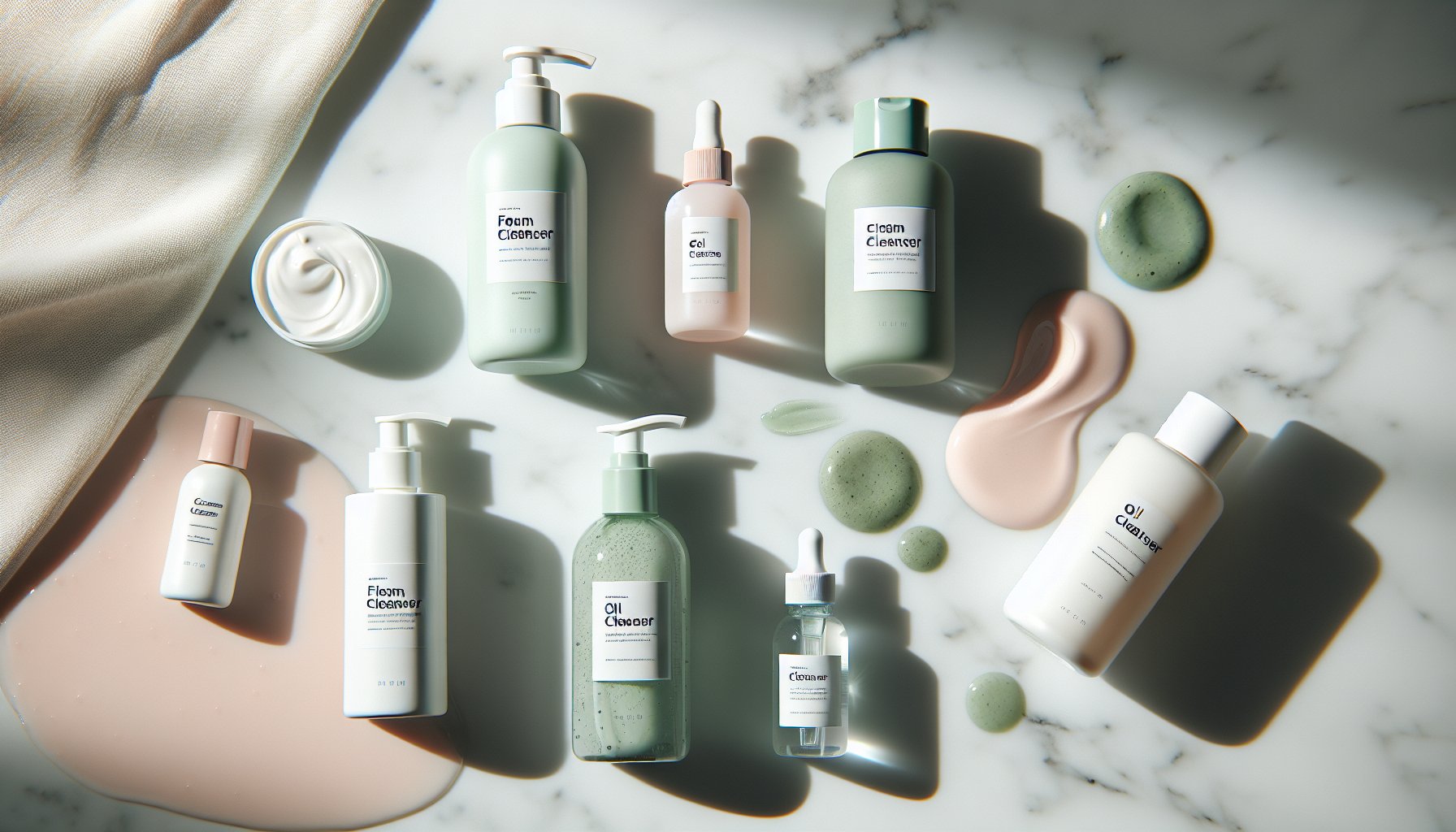
Not all cleansers are created equal. Each type uses different surfactant systems and bases, making them better suited to different skin types and concerns.
Cream and Lotion Cleansers
Cream cleansers use mild surfactants in a moisturizing base with ingredients like glycerin and ceramides. These are the gentlest option and rarely leave skin feeling tight.
Best for: Dry skin, sensitive skin, eczema-prone skin, mature skin.
Gel Cleansers
Gel cleansers have a translucent consistency with slightly stronger surfactants than cream formulas. They lather lightly and provide a deeper clean without heavy foam.
Best for: Combination skin, normal skin, mildly oily skin.
Foaming Cleansers
Foaming cleansers produce a rich lather and contain higher surfactant concentrations. That sudsy, "squeaky clean" feeling often means the formula has stripped too much — though modern foaming cleansers from reputable brands use gentler surfactant blends.
Best for: Oily skin, acne-prone skin. Avoid if your skin is dry or sensitive.
Oil Cleansers and Cleansing Balms
Oil cleansers dissolve sebum, sunscreen, and waterproof makeup without harsh surfactants. Most emulsify with water and rinse clean. They're typically the first step in a double-cleansing routine, followed by a water-based cleanser.
Best for: All skin types for removing heavy sunscreen and makeup.
Micellar Water
Micellar water contains tiny micelles (surfactant clusters) that attract and lift dirt and oil. It's wiped across the face with a cotton pad rather than rinsed — convenient but not ideal as a sole cleanser for sunscreen removal.
Best for: Quick cleansing, travel, very sensitive skin.
Why Cleanser pH Matters
Your skin's surface sits at a pH of about 4.5 to 5.5 — slightly acidic. This acid mantle protects against bacteria, retains moisture, and supports the enzymes that keep your barrier working.
Traditional bar soaps have a pH of 9 to 11. Research published in the British Journal of Dermatology showed that alkaline cleansers raise the skin's pH for hours, weakening the acid mantle and increasing water loss. Modern dermatologist-recommended cleansers are formulated at a pH of 4.5 to 6.5 — close to the skin's own range and far gentler than older formulas. For a deeper dive, read our pH and skincare guide.
Verdict: Choose a pH-balanced cleanser (4.5-6.5) matched to your skin type — cream for dry and sensitive skin, gel or gentle foaming for oily and combination skin. Your cleanser should leave your skin feeling clean, soft, and comfortable, never tight or stripped. If your face feels dry after washing, your cleanser is too harsh.
Matching a Cleanser to Your Skin Type
Oily and Acne-Prone Skin
Oily skin needs a cleanser that removes excess sebum without triggering rebound overproduction. Look for gel or gentle foaming formulas with niacinamide or salicylic acid. CeraVe Foaming Facial Cleanser (around $16) foams lightly, includes ceramides and niacinamide, and has a pH in the ideal range. Avoid cleansers with sodium lauryl sulfate — they strip too aggressively and often make oily skin worse.
Dry and Dehydrated Skin
Dry skin lacks oil and dehydrated skin lacks water — both need a cleanser that adds moisture rather than removing it. Cream formulas with glycerin, hyaluronic acid, and ceramides are your best match.
CeraVe Hydrating Facial Cleanser (around $16) is the most widely recommended option — it doesn't foam, contains three essential ceramides, and dermatologists trust it for dry and compromised skin. La Roche-Posay Toleriane Hydrating Gentle Cleanser (around $16) is another strong pick, formulated with prebiotic thermal water and ceramide-3.
Sensitive Skin
Sensitive skin reacts easily to fragrances, dyes, essential oils, and harsh surfactants. The rule is simple: fewer ingredients, gentler surfactants, no fragrance.
Vanicream Gentle Facial Cleanser (around $9) was designed for reactive skin — free of dyes, fragrance, lanolin, parabens, and formaldehyde releasers. Dermatologists routinely recommend Vanicream for patients with eczema, contact dermatitis, and rosacea. If your skin reacts to everything, start here. For a full guide, see our sensitive skin guide.
Combination Skin
Combination skin — oily in the T-zone, normal to dry elsewhere — needs a balanced formula. Gel cleansers hit this sweet spot. Neutrogena Ultra Gentle Hydrating Cleanser (around $10) uses a creamy gel texture that handles oil without stripping, and it's fragrance-free.
Normal Skin
Normal skin tolerates most gentle formulas. Any cleanser listed above will work — pick based on texture preference and budget.
Ingredients to Avoid in a Cleanser
Not all surfactants are equal. Here's what to watch for on the label:
- Sodium lauryl sulfate (SLS) — A strong surfactant that strips natural oils and irritates sensitive skin.
- Denatured alcohol (alcohol denat.) — Drying and irritating, especially for dry or sensitive types.
- Synthetic fragrance — A leading cause of contact dermatitis. "Fragrance" on a label can represent dozens of undisclosed chemicals.
- Essential oils — Citrus oils, lavender, and tea tree oil trigger irritation despite their "natural" reputation.
How to Cleanse Properly
- Use lukewarm water. Hot water strips protective oils; cold water won't dissolve product effectively.
- Apply to damp skin. This helps distribute the cleanser evenly and reduces friction.
- Massage for 60 seconds. Most people rinse within 15-20 seconds. A full minute gives surfactants time to break down sunscreen and debris.
- Rinse thoroughly. Leftover residue causes irritation and clogged pores.
- Pat dry gently. Blot with a clean towel rather than rubbing.
Cleanse twice daily. In the morning, a gentle cleanse removes overnight oil. In the evening, cleansing tackles the full day's sunscreen, pollution, and sebum. If you wear heavy sunscreen or makeup, double cleansing in the evening is worth adding. For a complete overview of how cleansing fits into your full routine, see our guide to building a skincare routine.
Common Cleanser Mistakes
Using a cleanser that's too harsh. If your skin feels tight or "squeaky clean" after washing, the formula is stripping your barrier. Switch to a gentler option.
Over-cleansing. Washing more than twice a day damages the skin barrier. Twice daily is enough.
Judging by lather. More foam does not mean a better clean. Some of the gentlest, most effective cleansers barely foam at all.
Spending too much. A cleanser sits on your skin for 60 seconds before you rinse it off. Save your budget for leave-on treatments where premium ingredients can actually absorb.
Using makeup wipes as a cleanser. Wipes spread dirt around more than they remove it. They're a backup, not a replacement for proper cleansing.
Frequently Asked Questions
How often should I wash my face?
Twice daily — morning and evening. Morning cleansing removes overnight oil; evening cleansing removes sunscreen and pollutants. If your skin is very dry, you can rinse with just water in the morning and save your cleanser for the evening.
Should my cleanser foam?
Not necessarily. Higher-foaming cleansers tend to be more stripping. Cream and gel cleansers with minimal lather clean just as effectively while being gentler. The "squeaky clean" feeling actually signals that natural oils have been stripped.
Can I use bar soap to wash my face?
Traditional bar soap has a pH of 9-11, far above the skin's natural 4.5-5.5, which disrupts the acid mantle and increases water loss. Syndet bars like Dove or CeraVe's cleansing bar are formulated at a lower pH and are acceptable alternatives, though liquid cleansers generally offer better pH control.
Do I need a separate eye makeup remover?
An oil cleanser or cleansing balm removes most eye makeup, including waterproof mascara, during double cleansing. If you don't double cleanse, micellar water on a cotton pad works well for eye makeup before your regular cleanser.
What is double cleansing and do I need it?
Double cleansing uses an oil-based cleanser first to dissolve sunscreen and makeup, then a water-based cleanser to remove remaining residue. It's especially beneficial if you wear sunscreen daily. Check our full double-cleansing guide for step-by-step instructions.
Can a cleanser cause acne?
Yes. Comedogenic ingredients, heavy fragrances, and harsh surfactants can all trigger breakouts. A too-harsh cleanser can also cause acne by damaging the barrier and increasing oil production. Switch to a fragrance-free, non-comedogenic formula and give it two weeks.
How long should I massage my cleanser in?
About 60 seconds. This gives surfactants time to bind with oil, dirt, and sunscreen residue. Dermatology research recommends 30-60 seconds of gentle massage for effective cleansing — most people rinse far too quickly.
Does water temperature matter when cleansing?
Yes. Lukewarm water is ideal — hot water strips natural oils and triggers redness, while cold water won't dissolve oil-based products effectively.
Should I change my cleanser between morning and night?
You can, especially with combination skin — a hydrating cleanser in the morning and a gel formula in the evening. But a single well-chosen cleanser works for both. This is a matter of preference, not necessity.
Can I use a body wash on my face?
No. Body washes contain stronger surfactants and higher fragrance concentrations designed for thicker body skin. Facial skin is thinner, more reactive, and more prone to barrier damage. Always use a product formulated specifically for the face.
At what age should I start using a facial cleanser?
The AAD recommends starting gentle face washing during adolescence when oil production increases. Before puberty, water alone is sufficient. By the teenage years, a gentle, fragrance-free cleanser helps manage oil and prevent acne.
The Bottom Line
Your cleanser sets the foundation for everything else in your routine. Pick a pH-balanced, fragrance-free formula matched to your skin type — cream for dry skin, gel or gentle foam for oily skin — and rinse with lukewarm water for a full 60 seconds. A good cleanser costs $10-16 and makes every product that follows work better.
Sources:
- Mukhopadhyay P. "Cleansers and their role in various dermatological disorders." Indian Journal of Dermatology. 2011;56(1):2-6. https://www.ncbi.nlm.nih.gov/pmc/articles/PMC3088928/
- Lambers H, et al. "Natural skin surface pH is on average below 5, which is beneficial for its resident flora." International Journal of Cosmetic Science. 2006;28(5):359-370. https://pubmed.ncbi.nlm.nih.gov/18489300/
- Ananthapadmanabhan KP, et al. "Cleansing without compromise: the impact of cleansers on the skin barrier and the technology of mild cleansing." Dermatologic Therapy. 2004;17(s1):16-25. https://pubmed.ncbi.nlm.nih.gov/14728695/
- Draelos ZD. "The effect of a daily facial cleanser for normal to oily skin on the skin barrier of subjects with acne." Cutis. 2006;78(1 Suppl):34-40. https://pubmed.ncbi.nlm.nih.gov/16910029/
- Blaak J, Staib P. "The relation of pH and skin cleansing." Current Problems in Dermatology. 2018;54:132-142. https://pubmed.ncbi.nlm.nih.gov/30130782/