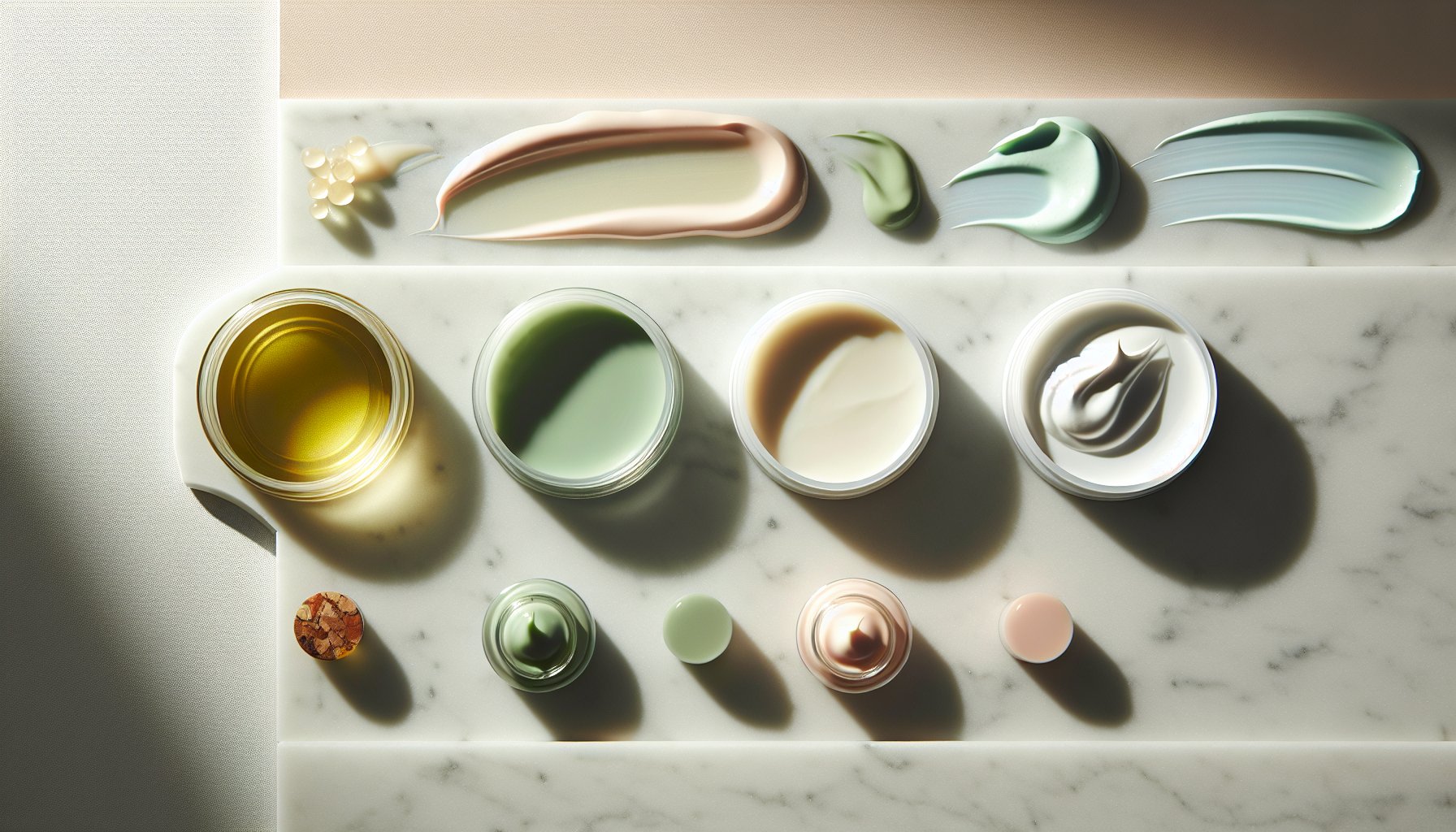
A 2006 study in the Journal of Cosmetic Dermatology found that the traditional four-type classification (oily, dry, combination, normal) fails to capture the full picture for up to 68% of people. Despite this, knowing your basic skin type remains the most reliable starting point for building an effective routine. Two simple at-home tests can tell you everything you need to know in under 30 minutes.
Quick Summary:
- The bare-face test and blotting sheet test are the two most reliable at-home methods for identifying your skin type
- There are five primary skin types: oily, dry, combination, normal, and sensitive
- Your skin type is largely determined by genetics, but environmental factors, age, and hormones can shift it over time
- Choosing the wrong products for your skin type is one of the top reasons routines fail
- You should reassess your skin type seasonally since it can change with weather, stress, and aging
What Are the Five Skin Types?
Dermatologists generally classify skin into five categories based on sebum production, hydration levels, and reactivity. The American Academy of Dermatology (AAD) recognizes these as the primary types used in clinical and cosmetic settings.
Oily skin produces excess sebum across the entire face, resulting in shine, enlarged pores, and frequent breakouts. Roughly 40-55% of adults aged 20-40 have oily or combination skin, according to research in the Indian Journal of Dermatology.
Dry skin produces less sebum than average, leading to tightness, flaking, and rough texture. The skin barrier loses moisture faster, making it more prone to irritation.
Combination skin features both oily and dry zones — typically an oily T-zone (forehead, nose, chin) with normal to dry cheeks. This is the most common type among adults.
Normal skin is well-balanced — not too oily, not too dry. Pores are small, texture is even, and breakouts are infrequent.
Sensitive skin reacts easily to products, environmental changes, or certain ingredients with redness, stinging, or burning. Sensitivity can overlap with any of the other four types.
For a deeper look at oily and dry types specifically, check out our complete oily skin guide and dry skin guide.
The Bare-Face Test (Most Reliable Method)
This is the gold standard at-home method recommended by dermatologists. It takes about 30 minutes and gives you clear results.
Step 1: Wash your face with a gentle, pH-balanced cleanser. Vanicream Gentle Facial Cleanser (around $9) works well because it won't strip or add moisture. Pat dry with a clean towel.
Step 2: Leave your skin completely bare — no moisturizer, no serum, no sunscreen. Set a timer for 25-30 minutes.
Step 3: After 30 minutes, examine your skin closely in good lighting:
- If your entire face feels tight and looks flaky or rough: You have dry skin
- If your entire face looks shiny, especially the forehead, nose, and chin: You have oily skin
- If only your T-zone (forehead, nose, chin) is shiny but your cheeks feel tight or normal: You have combination skin
- If your skin feels comfortable with no tightness, flaking, or excess shine: You have normal skin
- If you notice redness, itching, or stinging during or after washing: You likely have sensitive skin (which can overlap with any other type)
The Blotting Sheet Test
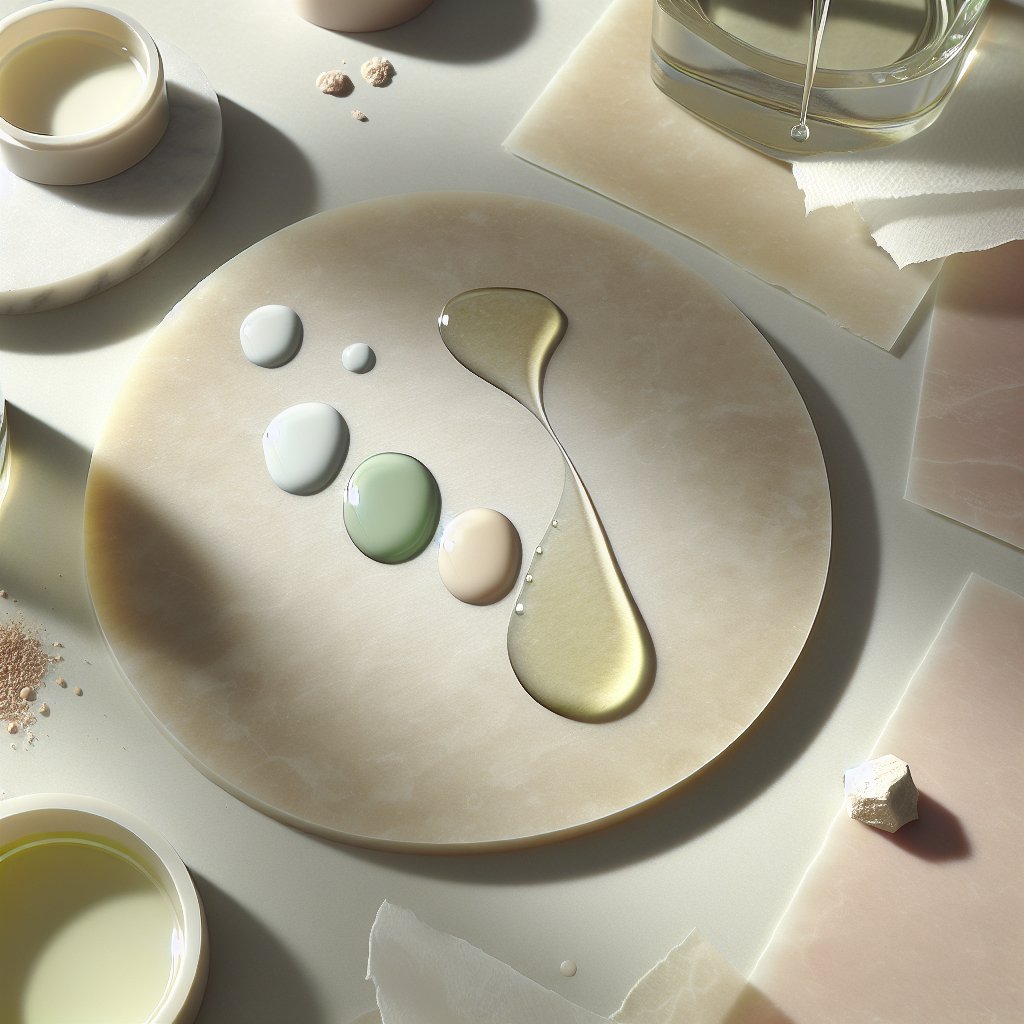
This faster method focuses specifically on oil production and is useful for distinguishing between oily, dry, and combination types.
Step 1: Wait until midday or early afternoon (at least 2-3 hours after washing your face in the morning).
Step 2: Press a clean blotting sheet or tissue against different areas of your face — forehead, nose, chin, and both cheeks. Hold gently for a few seconds in each zone.
Step 3: Hold the blotting paper up to light and examine the oil markings:
- Oil from every area: Oily skin
- No oil from any area, and skin feels tight: Dry skin
- Oil from the T-zone only: Combination skin
- Light oil from most areas, skin feels comfortable: Normal skin
For best accuracy, run both tests on different days when your skin hasn't been exposed to unusual conditions (extreme heat, heavy exercise, new products).
Verdict: The bare-face test gives the most complete picture of your skin type. Do it on a calm day when you haven't introduced new products, and trust what you see at the 30-minute mark. Most people fall into the combination category, so don't be surprised if your skin doesn't fit neatly into one box.
Matching Your Skin Type to the Right Cleanser
Once you know your skin type, the first product to get right is your cleanser. Using the wrong one is a common reason routines backfire — a harsh foaming cleanser on dry skin accelerates moisture loss, while a cream cleanser on oily skin can clog pores.
For oily skin: A gentle foaming or gel cleanser works best. CeraVe Foaming Facial Cleanser (around $16) removes excess oil without stripping your barrier, thanks to ceramides and niacinamide.
For dry skin: Choose a hydrating, non-foaming cleanser. CeraVe Hydrating Facial Cleanser (around $16) contains hyaluronic acid and ceramides that help maintain moisture while cleaning.
For combination skin: Either of the CeraVe options works depending on the season. Many people with combination skin prefer the hydrating version in winter and the foaming version in summer.
For normal skin: You have the most flexibility. A gentle formula like La Roche-Posay Toleriane Hydrating Gentle Cleanser (around $16) works year-round without disrupting your natural balance.
For sensitive skin: Fragrance-free, minimal-ingredient cleansers are non-negotiable. Vanicream Gentle Facial Cleanser (around $9) is a dermatologist favorite — free of dyes, fragrances, parabens, and sulfates.
After cleansing, a good moisturizer locks in hydration for every skin type. Neutrogena Hydro Boost Water Gel (around $20) is a lightweight, oil-free option that works well for oily and combination skin that still needs hydration.
For a full breakdown of cleanser options, see our guide to choosing a cleanser.
Why Your Skin Type Can Change
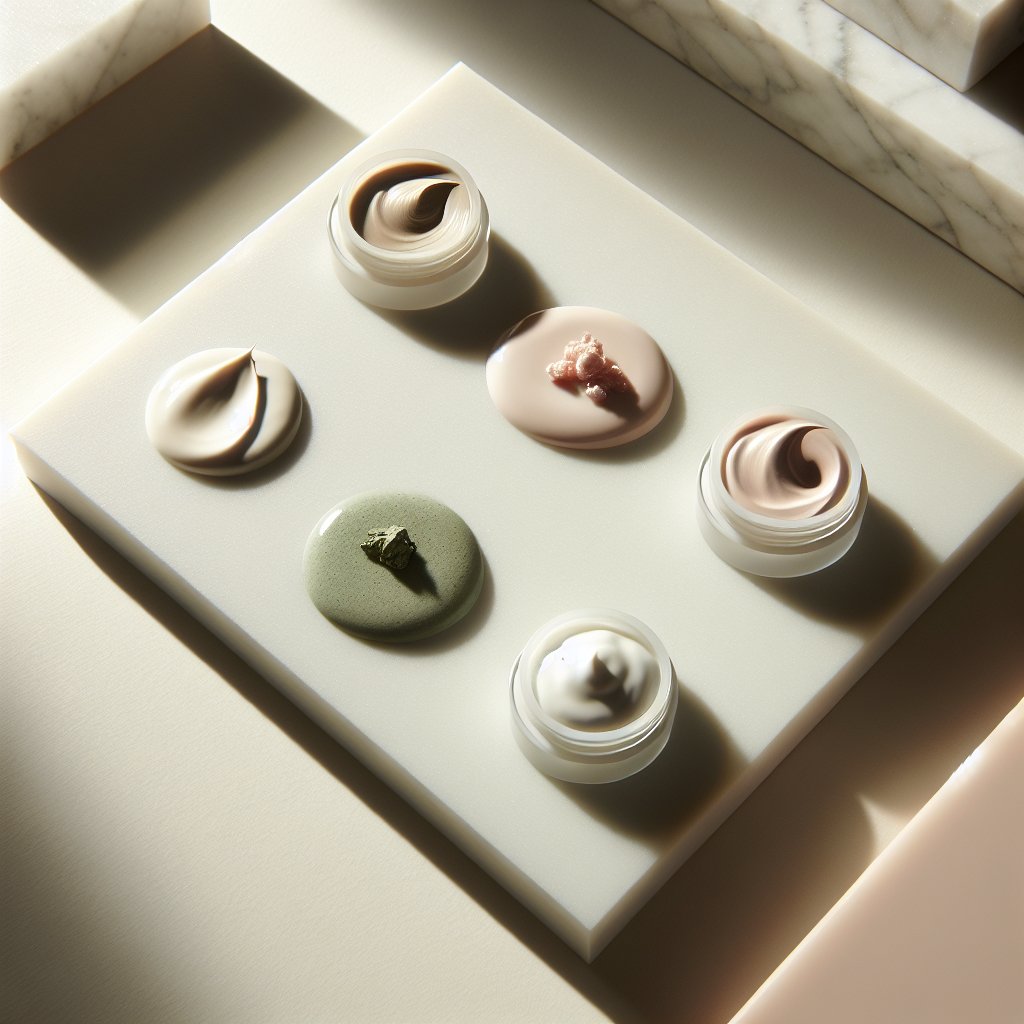
Your baseline skin type is largely genetic — it's determined by how many sebaceous glands you have and how actively they produce oil. But several factors can shift it over time.
Age: Sebum production decreases as you age. Many people with oily skin in their 20s develop combination or dry skin by their 40s, and post-menopausal women often see a significant drop in oil production.
Climate and seasons: Humidity increases oil production while dry, cold air strips moisture. You might be oily in summer and dry in winter.
Hormones: Puberty, menstrual cycles, pregnancy, and menopause all influence sebum output and are top triggers for sudden skin type shifts.
Product use: Over-exfoliating or harsh cleansers can damage the barrier and make oily skin produce even more oil as a compensatory response.
Medications: Isotretinoin (Accutane), hormonal birth control, and certain other medications directly alter oil production.
Reassessing your skin type every 6-12 months — or whenever your routine stops working — is a smart habit. Our guide on building a skincare routine walks you through adjusting your regimen as your skin changes.
Common Mistakes When Identifying Skin Type
Testing after using active products. If you ran the bare-face test after using retinol or an exfoliating acid, your results will be skewed. Test on a day when you've used only basic products for at least 48 hours.
Confusing dehydration with dry skin type. Dehydrated skin lacks water, not oil. You can have oily skin that's dehydrated — it feels tight but still produces excess sebum. True dry skin type means chronically low oil production.
Judging based on one observation. Your skin on a humid July afternoon looks nothing like your skin on a dry January morning. Test at least twice in different conditions.
Assuming sensitive skin is a standalone type. Sensitivity layers on top of your oil-based type. You can be oily-sensitive, dry-sensitive, or combination-sensitive. Our sensitive skin care guide covers this in detail.
Letting breakouts define your type. Acne doesn't automatically mean oily skin. Dry and normal types get breakouts too, often from barrier damage or hormonal shifts.
Frequently Asked Questions
How often should I reassess my skin type?
Check your skin type at least twice a year — once in summer and once in winter. Seasonal shifts in humidity and temperature are the most common reasons skin type changes. Also reassess if you start a new medication or notice your routine suddenly isn't working.
Can I have more than one skin type at the same time?
Yes. Combination skin is the most obvious example, but sensitivity also overlaps with other types. You might be oily-sensitive or dry-sensitive. Identifying both your oil-based type and sensitivity level gives you the best foundation for product choices.
Is there a difference between dry skin and dehydrated skin?
Yes. Dry skin is a type defined by low sebum production — your skin doesn't make enough oil. Dehydrated skin is a temporary condition where skin lacks water, regardless of oil production. Oily skin can be dehydrated, which shows up as tight-feeling skin that's still shiny.
What skin type is most common?
Combination skin is the most common type worldwide. Studies estimate that 40-55% of adults between ages 20 and 40 have some form of combination or oily skin. True "normal" skin with no oiliness, dryness, or sensitivity is relatively rare.
Does skin type affect which ingredients I should use?
Yes, significantly. Oily skin tends to respond well to niacinamide, salicylic acid, and lightweight hyaluronic acid formulas. Dry skin benefits more from ceramides, squalane, and richer moisturizers. Knowing your type helps you avoid ingredients that could worsen your specific concerns.
Can my skin type change permanently?
It can. Aging is the most common cause of permanent shifts — most people produce less oil as they get older. Menopause causes a significant and lasting decrease in sebum production for many women. Medical treatments like isotretinoin can also permanently alter oil gland activity.
Should I use a different routine for morning and night based on my skin type?
Your skin type stays the same throughout the day, but morning and night routines serve different purposes. Mornings focus on protection (moisturizer, sunscreen) and evenings on treatment (actives, richer moisturizers). Your skin type guides product selection within each routine.
What if my skin type test results are inconclusive?
If you're between types or unsure, default to treating your skin as combination. Use gentle, fragrance-free products and observe how your skin responds over 2-3 weeks. Also try testing at different times of year — seasonal changes often make borderline types more distinct.
Does ethnicity or skin tone affect skin type?
Skin type is about oil production and barrier function, which exist across all ethnicities. Research shows some variation in average sebum production across ethnic groups, but individual variation is wide. Always treat your skin based on what you observe, not assumptions.
Can diet or lifestyle change my skin type?
Diet and lifestyle don't change your fundamental skin type, but they influence how it behaves. High-glycemic diets are linked to increased sebum production. Stress raises cortisol, which can trigger excess oil. Staying hydrated and eating a balanced diet helps every skin type function better.
When should I see a dermatologist about my skin type?
If you've matched products to your skin type and still experience persistent issues — chronic dryness, extreme oiliness, or sensitivity that flares with almost every product — a dermatologist can do a professional assessment. Conditions like rosacea or eczema can mimic certain skin types and need specific treatment.
The Bottom Line
Determining your skin type takes 30 minutes and two simple tests. Start with the bare-face method, confirm with a blotting sheet test, and pick products that match what you observe. Reassess seasonally, and remember that your type can shift over time. Once you know your type, everything else — from cleansers to serums to sunscreen — becomes a much easier choice.
Sources:
- Baumann, L. "The Baumann Skin Type Indicator: A Novel Approach to Understanding Skin Type." Journal of Cosmetic Dermatology, 2006. https://doi.org/10.1111/j.1473-2165.2006.00226.x
- American Academy of Dermatology. "How to determine your skin type." https://www.aad.org/public/everyday-care/skin-care-basics/care/skin-type
- Youn, S.W. et al. "Sebum output as a factor contributing to the size of facial pores." British Journal of Dermatology, 2005. https://doi.org/10.1111/j.1365-2133.2005.06860.x
- Sakuma, T.H. and Maibach, H.I. "Oily skin: An overview." Skin Pharmacology and Physiology, 2012. https://doi.org/10.1159/000338978
- Cleveland Clinic. "Skin Types." https://my.clevelandclinic.org/health/articles/23881-skin-types