
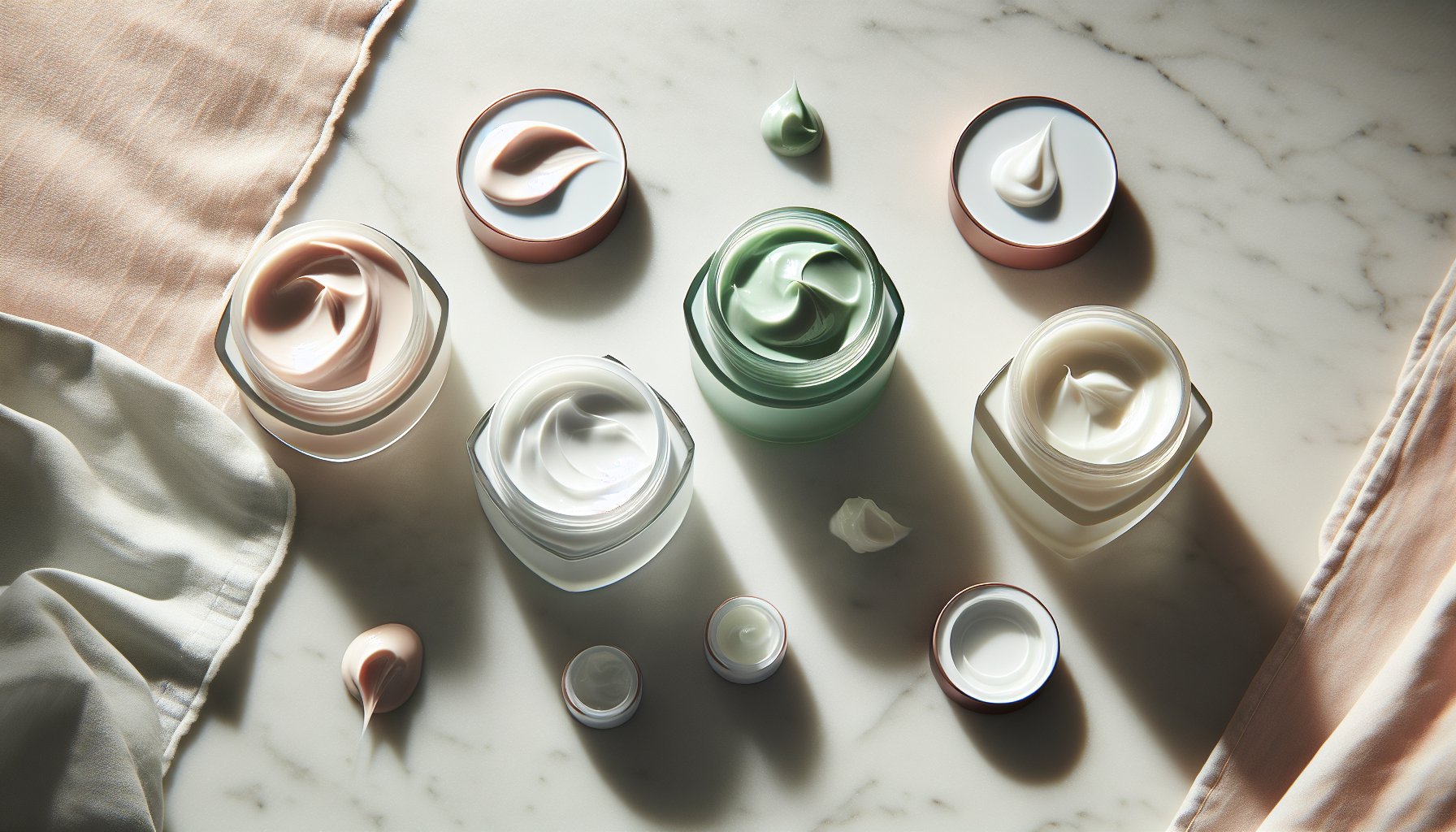
A 2016 review in the Indian Journal of Dermatology found that consistent moisturizer use improved skin barrier function by up to 30% within four weeks, reducing transepidermal water loss and decreasing sensitivity to irritants. Yet with thousands of creams, lotions, and gels on the market, picking the right one feels overwhelming. The right moisturizer depends on your skin type, the formula, and a few key ingredients backed by clinical research.
Quick Summary:
- Moisturizers work through three mechanisms: humectants draw water in, emollients smooth the surface, and occlusives lock moisture in place
- Creams suit dry and normal skin, gels work best for oily skin, and lotions fall in between
- Ceramides, hyaluronic acid, and glycerin are the three most research-backed moisturizing ingredients
- Your skin type determines your ideal texture — not marketing claims or price tags
- Apply moisturizer to slightly damp skin within 60 seconds of cleansing for maximum absorption
What a Moisturizer Actually Does
Your skin's outermost layer, the stratum corneum, acts as a barrier that relies on natural lipids, proteins, and water to stay intact. When those components are depleted — through washing, weather, aging, or harsh products — moisture escapes and irritants get in. Moisturizers restore what the barrier loses through three mechanisms.
Humectants attract water from the environment and deeper skin layers to the surface. Glycerin, hyaluronic acid, and urea are the most common. A study in the British Journal of Dermatology showed that glycerin increases skin hydration by up to 24% within two hours.
Emollients fill gaps between skin cells, creating a smoother surface. Squalane, fatty acids, and dimethicone are typical emollients that give moisturizers their "silky" feel.
Occlusives form a protective film over the skin, physically preventing water from evaporating. Petrolatum is the gold standard — it reduces transepidermal water loss by up to 99%. Shea butter, beeswax, and mineral oil are other common occlusives.
The ratio between these three components determines whether a product feels like a lightweight gel, a medium lotion, or a rich cream.
Creams, Lotions, and Gels: Which Texture Is Right?
The format of your moisturizer matters as much as the ingredients inside it. Each texture delivers a different balance of hydration and weight.
Creams
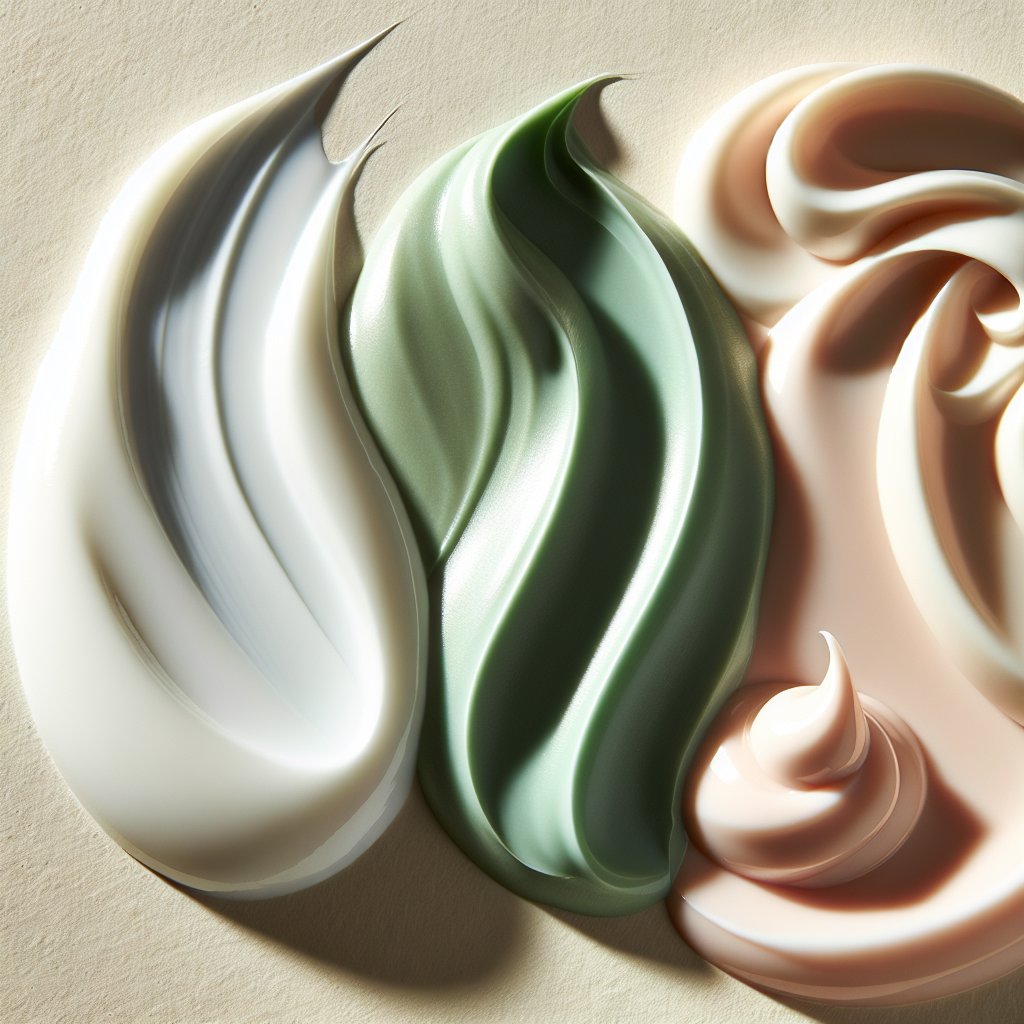
Creams have a thick consistency with a high ratio of oil to water. They provide the strongest barrier protection and suit dry skin, mature skin, and cold climates.
If your skin feels tight after washing or flakes throughout the day, a cream is your best bet. CeraVe Moisturizing Cream (around $19) delivers ceramides, hyaluronic acid, and petrolatum in a rich formula that restores the skin barrier without feeling greasy.
Lotions
Lotions have a lighter consistency with more water and less oil than creams. They absorb faster and work well for normal and combination skin — a good middle ground when creams feel too heavy but gels don't hydrate enough.
La Roche-Posay Toleriane Double Repair Moisturizer (around $20) contains ceramide-3, niacinamide, and glycerin. It absorbs quickly, layers well under sunscreen, and suits most skin types.
Gels and Gel-Creams
Gel moisturizers are water-based with minimal oil content. They absorb almost instantly and are ideal for oily skin and acne-prone skin because they hydrate without adding shine or clogging pores.
Neutrogena Hydro Boost Water Gel (around $20) is built around hyaluronic acid, providing genuine hydration without heaviness. Its oil-free base won't trigger breakouts.
Verdict: Match your moisturizer's texture to your skin type first, then look at ingredients. Dry skin needs creams with strong occlusives and ceramides. Oily skin thrives with oil-free gels. Normal and combination skin do well with lotions. Getting the texture right solves most moisturizer complaints.
Key Ingredients to Look For
Not all moisturizers are formulated equally. These ingredients have the strongest clinical evidence behind them.
Ceramides
Ceramides make up roughly 50% of the lipids in your skin barrier — the "mortar" between skin cells. A 2019 study in the Journal of Clinical and Aesthetic Dermatology found that ceramide-containing moisturizers significantly improved barrier function and reduced dryness within two weeks. Look for ceramide NP, ceramide AP, or ceramide EOP on ingredient lists.
Hyaluronic Acid
Hyaluronic acid holds up to 1,000 times its weight in water. It pulls moisture into the skin's upper layers, plumping fine lines and improving texture without adding oil. Apply it to damp skin so it binds surface water rather than drawing moisture out. Learn more in our hyaluronic acid guide.
Glycerin
Glycerin is one of the most effective humectants in skincare. Research in the International Journal of Cosmetic Science showed that glycerin draws moisture to the skin and helps regulate skin cell maturation. It appears in most moisturizer formulas because it's effective, inexpensive, and rarely causes irritation.
Niacinamide
Niacinamide (vitamin B3) strengthens the skin barrier by boosting ceramide production. At 4-5% concentration, it reduces redness, improves texture, and regulates oil production — a common addition to moisturizers for oily, combination, or sensitive skin.
Petrolatum
Often overlooked, petrolatum remains the single most effective occlusive available. It's non-comedogenic, hypoallergenic, and used in medical-grade wound care. If your skin is severely dry or your barrier is damaged, a moisturizer with petrolatum provides unmatched protection.
How to Choose by Skin Type
Dry Skin
Look for rich creams with ceramides, glycerin, hyaluronic acid, and an occlusive like petrolatum. Avoid denatured alcohol and SD alcohol, which strip moisture. CeraVe Moisturizing Cream and Vanicream Moisturizing Skin Cream (around $15) are top picks — fragrance-free, barrier-repairing, and dermatologist-tested. See our dry skin guide for a complete regimen.
Oily Skin
Choose oil-free gels or gel-creams labeled "non-comedogenic." Hyaluronic acid and glycerin hydrate without heaviness. Skip heavy occlusives like petrolatum. Neutrogena Hydro Boost Water Gel is the go-to here. Check our oily skin guide for a full routine.
Combination Skin
Lotions and lightweight creams work best — or a gel on your T-zone with a richer formula on your cheeks. La Roche-Posay Toleriane Double Repair covers this range well.
Sensitive Skin
Prioritize short ingredient lists with no fragrance, essential oils, or dyes. Vanicream Moisturizing Skin Cream is free of common irritants including lanolin, parabens, and formaldehyde releasers. The Ordinary Natural Moisturizing Factors + HA (around $10) is another minimalist option that mimics the skin's natural moisturizing components.
Normal Skin
You have the most flexibility. A medium-weight lotion with humectants and emollients keeps normal skin balanced.
How to Apply Moisturizer for Best Results
Timing: Apply within 60 seconds of cleansing, while your skin is still slightly damp. This traps surface water and gives humectants something to bind to.
Amount: A nickel-sized dollop for your face and neck. Too little won't cover adequately; too much leaves a sticky residue.
Technique: Warm the product between your palms, then press it into the skin with gentle upward motions. Pressing (not rubbing) helps the product settle into fine lines and absorb evenly.
When in your routine: After cleansing and water-based serums, but before sunscreen in the morning. At night, moisturizer is your final step. See our guide to building a skincare routine for the complete order.
Common Moisturizer Mistakes
Skipping moisturizer because your skin is oily. Oily skin still needs hydration. Without it, the skin can overcompensate by producing even more sebum. A lightweight, oil-free gel solves the problem without adding shine.
Choosing by brand or price instead of formula. A $60 moisturizer and a $15 one can contain identical active ingredients. Research in the Journal of Cosmetic Dermatology found no significant difference in hydration outcomes between premium and drugstore moisturizers with comparable formulations.
Applying to dry skin. Without surface moisture, humectants have less water to work with. Always apply to damp skin.
Using a formula that's wrong for your skin type. A rich cream on oily skin leads to breakouts. A thin gel on very dry skin doesn't provide enough protection.
Ignoring the ingredient list. Fragrance is the top cause of cosmetic contact dermatitis. If your skin reacts to moisturizers, try a fragrance-free formula before giving up on the product category.
Frequently Asked Questions
How do I know if my moisturizer is working?
Your skin should feel comfortable — not tight, not greasy — for several hours after application. Within two weeks, dryness and flaking should decrease. If you still feel tight within an hour of applying, you need a richer formula.
Can moisturizer cause acne?
Yes, if the formula is too heavy or contains comedogenic ingredients. Products with coconut oil, cocoa butter, or certain silicones can trigger breakouts. Stick to non-comedogenic, oil-free formulas if you break out easily.
Should I use different moisturizers for day and night?
You can, and many people benefit from it. A lighter formula in the morning layers better under sunscreen. A richer cream at night supports skin repair during sleep. That said, one versatile formula used twice daily works perfectly well for most people.
Do I need a separate eye cream, or will my moisturizer work?
A gentle, fragrance-free facial moisturizer works fine around the eyes for most people. Eye creams are often the same basic formula in smaller, pricier packaging. The exception: targeted treatment for dark circles or puffiness benefits from specialized ingredients like peptides or caffeine.
Is there a difference between "hydrating" and "moisturizing"?
Yes. Hydrating refers to adding water to the skin (what humectants do). Moisturizing refers to preventing water from leaving the skin (what emollients and occlusives do). The best products do both. A hyaluronic acid serum hydrates; a ceramide cream moisturizes. Layering them together provides complete coverage.
How often should I apply moisturizer?
Twice daily is the standard recommendation — once in the morning and once at night. If your skin is very dry, you can add a midday application over sunscreen or carry a hydrating mist for a quick refresh. Over-applying is rarely a problem; under-applying is far more common.
Can I use moisturizer with active ingredients like retinol?
Absolutely. Moisturizer pairs well with almost every active ingredient. In fact, applying moisturizer before retinol (the "sandwich" method) can reduce irritation without significantly decreasing efficacy, according to dermatologists. Moisturizer after actives locks them in and buffers the skin.
What ingredients should I avoid in a moisturizer?
Fragrance (both synthetic and natural, including essential oils) is the top irritant to avoid if you have sensitive or reactive skin. Denatured alcohol and SD alcohol in high concentrations can be drying. Formaldehyde-releasing preservatives like DMDM hydantoin and quaternium-15 are worth avoiding if your skin is prone to contact dermatitis.
How long should a jar or tube of moisturizer last?
With twice-daily use, a standard 1.7-ounce tube lasts about four to six weeks. Larger formats like the 16-ounce CeraVe tub can last three to four months.
At what age should I start using moisturizer regularly?
Skin barrier function begins declining in your 20s. Starting a daily moisturizer habit in your late teens or early 20s helps maintain barrier health. But the best time to start is today — your skin benefits from proper hydration at any age.
Are natural or organic moisturizers better for skin?
Not inherently. "Natural" and "organic" have no standardized meaning in skincare. Plant-derived ingredients can be effective (shea butter, jojoba oil) but also irritating (essential oils, citrus extracts). What matters is whether the ingredients have clinical evidence, not whether they come from a plant or a lab.
The Bottom Line
Choosing a moisturizer comes down to matching the right texture and ingredients to your skin type. Dry skin needs ceramide-rich creams, oily skin does best with oil-free gels, and sensitive skin benefits from fragrance-free formulas with short ingredient lists. Apply to damp skin twice daily, and give any new moisturizer two weeks before judging results.
Sources:
- Sethi A, Kaur T, Malhotra SK, Gambhir ML. "Moisturizers: The slippery road." Indian Journal of Dermatology. 2016;61(3):279-287. https://www.ncbi.nlm.nih.gov/pmc/articles/PMC4885180/
- Lodén M. "Role of topical emollients and moisturizers in the treatment of dry skin barrier disorders." American Journal of Clinical Dermatology. 2003;4(11):771-788. https://doi.org/10.2165/00128071-200304110-00005
- Purnamawati S, Indrastuti N, Danarti R, Saefudin T. "The role of moisturizers in addressing various kinds of dermatitis: A review." Clinical Medicine & Research. 2017;15(3-4):75-87. https://doi.org/10.3121/cmr.2017.1363
- Draelos ZD. "The science behind skin care: Moisturizers." Journal of Cosmetic Dermatology. 2018;17(2):138-144. https://doi.org/10.1111/jocd.12490
- American Academy of Dermatology. "Dermatologists' top tips for relieving dry skin." https://www.aad.org/public/everyday-care/skin-care-basics/dry/dermatologists-tips-relieving-dry-skin