
Research published in the International Journal of Molecular Sciences estimates that xerosis — the clinical term for dry skin — affects nearly 29-85% of the population at some point, with prevalence increasing significantly after age 60. Dry skin is one of the most common dermatological complaints worldwide, yet the fix is surprisingly straightforward once you understand what's actually happening beneath the surface. The right ingredients and routine can restore comfort within days.
Quick Summary:
- Dry skin results from a weakened skin barrier that loses moisture faster than it can retain it
- Ceramides, hyaluronic acid, and glycerin are the three most research-backed ingredients for dry skin repair
- Cream and ointment textures outperform lotions and gels for dry skin types
- A stripped-back, hydration-focused routine works better than layering multiple active ingredients
- Most people see noticeable improvement within 1-2 weeks of switching to the right products
What Causes Dry Skin?
Dry skin happens when the outermost layer of your skin — the stratum corneum — can't hold onto enough water. This layer functions like a brick wall: skin cells (corneocytes) are the bricks, and lipids (primarily ceramides, cholesterol, and fatty acids) act as the mortar. When that lipid mortar breaks down, water escapes through the gaps.
Several factors drive this breakdown:
Genetics. Some people are born with fewer oil-producing glands or naturally lower ceramide levels. If your parents had dry, flaky skin, there's a strong chance you will too.
Age. Sebum production drops steadily after age 20. By the time you reach your 50s, your skin produces roughly 60% less oil than it did at its peak. This is why many people who had oily skin in their youth develop dryness later.
Environment. Low humidity, cold temperatures, indoor heating, and air conditioning all pull moisture from the skin. Winter is the peak season for dry skin complaints — dermatologists call it "winter xerosis."
Over-washing and harsh products. Sulfate-heavy cleansers, long hot showers, and aggressive exfoliation strip away the natural oils your skin needs. This is one of the most fixable causes of dryness.
Medical conditions. Eczema (atopic dermatitis), psoriasis, hypothyroidism, and diabetes can all cause or worsen skin dryness beyond what topical products alone can address.
Not sure if your skin is truly dry or just dehydrated? Our guide to determining your skin type explains the difference and how to test for both.
The Science of Skin Barrier Function
Your skin barrier is the gatekeeper that controls what gets in and what stays out. A healthy barrier keeps moisture locked inside while blocking irritants, allergens, and bacteria. A damaged barrier does neither well.
A 2019 study in the Journal of Clinical Medicine found that people with dry skin have significantly lower levels of ceramides in their stratum corneum compared to those with normal or oily skin. Ceramides make up roughly 50% of the skin barrier's lipid content, which is why they're the single most important ingredient class for dry skin. When ceramide levels drop, transepidermal water loss (TEWL) — the rate at which water evaporates from your skin — increases, and the cycle of dryness accelerates.
The skin barrier also relies on natural moisturizing factors (NMFs), a group of water-attracting molecules found within skin cells. These include amino acids, urea, lactic acid, and hyaluronic acid. Together, NMFs pull water from the deeper layers of skin and the environment, keeping the stratum corneum plump and flexible.
When both the lipid barrier and NMFs are depleted, you get the classic symptoms of dry skin: tightness, flaking, rough texture, fine lines, dullness, and irritation. For a deep dive into barrier repair strategies, see our skin barrier guide.
Best Ingredients for Dry Skin
The most effective dry skin ingredients fall into three categories: humectants that attract water, emollients that smooth and soften, and occlusives that seal moisture in.
Humectants
Hyaluronic acid holds up to 1,000 times its weight in water and is the gold standard humectant in skincare. A 2011 study in the Journal of Clinical and Aesthetic Dermatology demonstrated that topical hyaluronic acid significantly increased skin hydration and reduced the appearance of fine wrinkles within 2-8 weeks of consistent use. Our hyaluronic acid guide covers optimal concentrations and how to layer it properly.
Glycerin is the most common humectant in skincare and one of the most effective. Research shows glycerin penetrates the stratum corneum and helps maintain hydration levels for hours after application. It's found in virtually every quality moisturizer on the market.
Emollients
Squalane mimics your skin's natural sebum and fills in the gaps between skin cells, creating a smooth, soft surface. It absorbs quickly without a greasy finish.
Shea butter and plant oils (jojoba, sunflower seed) provide rich emollience for very dry skin. They work best in night creams or thicker moisturizers.
Occlusives
Ceramides are the backbone of barrier repair. A study published in Clinical, Cosmetic and Investigational Dermatology found that ceramide-containing moisturizers significantly improved skin hydration and barrier function in subjects with dry skin within four weeks. Topical ceramides replenish what your skin is missing and directly address the root cause of dryness. Learn more in our ceramides guide.
Petrolatum (petroleum jelly) reduces TEWL by up to 99%, making it the most effective occlusive available. It sits on top of the skin and physically prevents water from escaping — a technique called "slugging" when applied as a final step at night.
Verdict: The best approach for dry skin combines all three ingredient categories in a single routine. A humectant serum under a ceramide-rich cream gives you the strongest hydration and barrier repair results. Skip the fancy multi-step routines and focus on these fundamentals — they deliver faster, more consistent improvement than any trending ingredient.
How to Build a Dry Skin Routine
A dry skin routine doesn't need to be complicated. In fact, fewer steps with the right products outperform a 10-step regimen full of mediocre ones.
Morning Routine
Step 1: Gentle cleanser. Use a non-foaming, cream-based cleanser that won't strip your already limited oils. CeraVe Hydrating Facial Cleanser (around $16) is a top dermatologist pick — it contains ceramides and hyaluronic acid that hydrate while cleansing. If your skin feels particularly dry in the morning, you can skip cleanser entirely and just rinse with lukewarm water.
Step 2: Hydrating serum (optional). A hyaluronic acid serum applied to slightly damp skin boosts hydration levels before moisturizing. The Ordinary Natural Moisturizing Factors + HA (around $10) combines hyaluronic acid with amino acids and other NMFs that mimic your skin's own hydration system.
Step 3: Moisturizer. This is the most important step for dry skin. Choose a cream rather than a lotion — creams have a higher oil-to-water ratio and provide longer-lasting hydration. La Roche-Posay Toleriane Double Repair Moisturizer (around $20) contains ceramides, niacinamide, and glycerin in a formula that restores the skin barrier without clogging pores.
Step 4: Sunscreen. UV damage worsens dryness by breaking down collagen and weakening the barrier. Choose a moisturizing sunscreen with SPF 30 or higher.
Evening Routine
Step 1: Gentle cleanser. Same cleanser as morning, or an oil-based cleanser if you wore makeup or sunscreen.
Step 2: Treatment (2-3 nights per week). If you want to address aging, texture, or pigmentation, keep actives minimal. A low-concentration retinol (0.25-0.5%) or a gentle lactic acid works for dry skin without causing excessive irritation.
Step 3: Rich moisturizer. Nighttime is when you bring out the heavier formulas. CeraVe Moisturizing Cream (around $17) contains three essential ceramides, hyaluronic acid, and petrolatum in a rich, non-greasy texture. It's a top-rated pick among dermatologists for a reason.
Step 4: Occlusive seal (optional). On especially dry nights or in harsh winter weather, apply a thin layer of petroleum jelly or a balm over your moisturizer to lock everything in.
For a comprehensive breakdown of how to select the right moisturizer formula, see our moisturizer guide.
Product Recommendations for Dry Skin
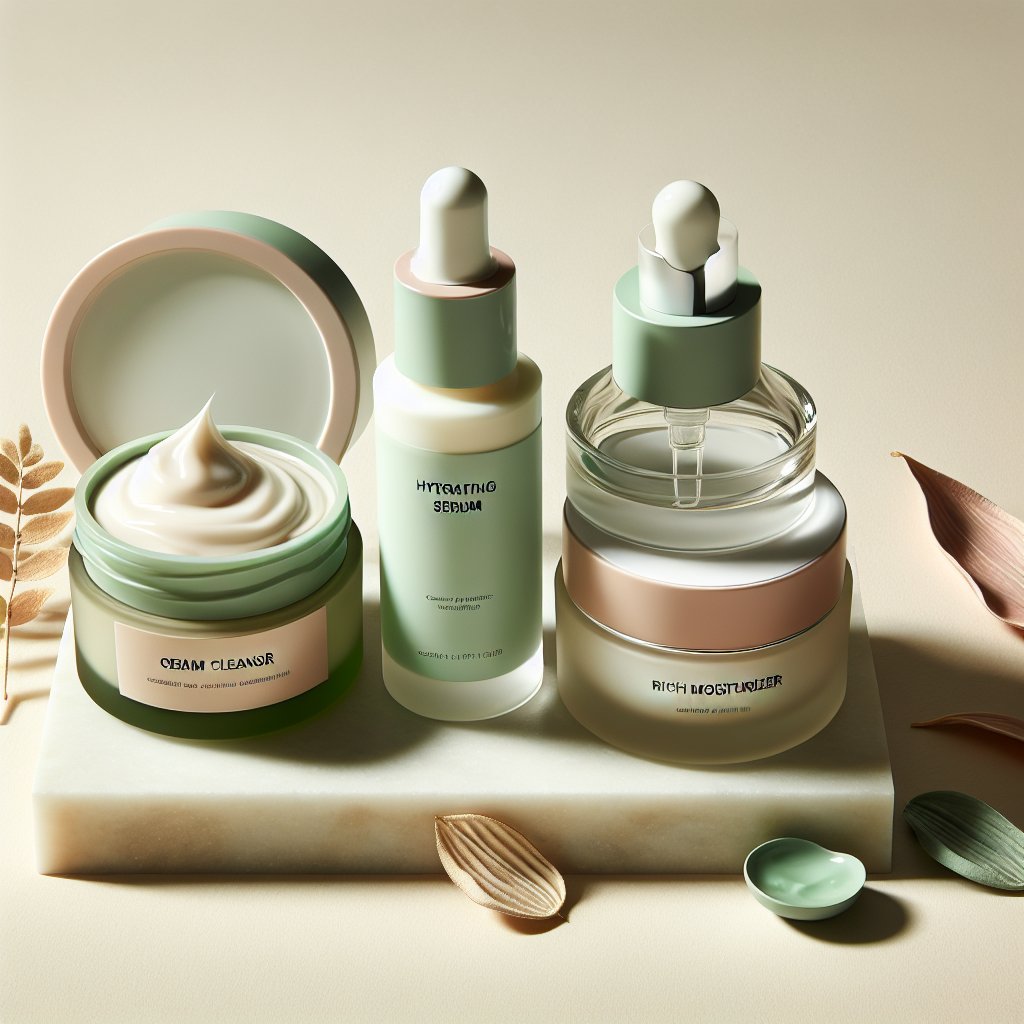
Here are the standout products that consistently earn dermatologist praise for dry skin:
Best everyday moisturizer: CeraVe Moisturizing Cream (around $17). Three essential ceramides, hyaluronic acid, and MVE technology for 24-hour hydration. The jar format gives you the best value.
Best fragrance-free option: Vanicream Moisturizing Skin Cream (around $14). Free of dyes, fragrances, lanolin, parabens, and formaldehyde releasers. This is the go-to recommendation for anyone with dry, sensitive, or eczema-prone skin.
Best mid-range pick: La Roche-Posay Toleriane Double Repair Moisturizer (around $20). Prebiotic thermal water, ceramides, and niacinamide in a formula that repairs the barrier and soothes irritation.
Best lightweight hydrator: The Ordinary Natural Moisturizing Factors + HA (around $10). A no-frills formula that mimics the skin's NMFs with hyaluronic acid, amino acids, and fatty acids. Great as a daytime layer under sunscreen.
Best cleanser: CeraVe Hydrating Facial Cleanser (around $16). Non-foaming, ceramide-enriched, and gentle enough for twice-daily use without disrupting the barrier.
Common Mistakes People With Dry Skin Make
Using foaming cleansers. Foam is created by surfactants that strip oil from the skin. If your skin is already low on oil, foaming cleansers make the problem worse. Switch to a cream or milky formula.
Skipping moisturizer because of breakouts. Dry skin can still break out, and cutting out moisturizer only damages the barrier, which triggers more breakouts. Use a non-comedogenic cream and treat acne separately with a targeted spot treatment.
Exfoliating too aggressively. Physical scrubs and high-percentage AHAs can shred an already compromised barrier. If you want to exfoliate, choose a low-concentration lactic acid (5-10%) once or twice per week.
Applying products to dry skin. Humectants like hyaluronic acid work by pulling water toward the skin's surface. If you apply them to completely dry skin in a low-humidity environment, they can actually pull moisture out of deeper layers. Always apply serums to slightly damp skin, then seal with moisturizer immediately.
Ignoring water temperature. Hot water strips the skin barrier far more than lukewarm water. This applies to face washing and showers. Keep water temperature comfortable but not steaming.
Not drinking enough water. While topical hydration is the primary fix, chronic dehydration reduces the water available for your skin to draw from. Aim for adequate daily fluid intake as a baseline habit.
Frequently Asked Questions
What is the difference between dry skin and dehydrated skin?
Dry skin is a skin type caused by low sebum (oil) production — your skin doesn't make enough natural oils to maintain its barrier. Dehydrated skin is a temporary condition where the skin lacks water, regardless of oil levels. You can have oily skin that's dehydrated. Dry skin needs oil-replenishing ingredients like ceramides, while dehydrated skin responds best to humectants like hyaluronic acid.
How long does it take to see results from a dry skin routine?
Most people notice improvement within 1-2 weeks of switching to a ceramide-rich moisturizer and gentle cleanser. The initial relief — less tightness, reduced flaking — happens within days. Full barrier repair takes 4-6 weeks of consistent care. If you see no improvement after six weeks, consider seeing a dermatologist to rule out underlying conditions.
Can dry skin cause wrinkles?
Dry skin doesn't directly cause permanent wrinkles, but it makes existing fine lines far more visible. When the stratum corneum is dehydrated, it contracts and creates surface-level creases. Proper moisturizing plumps up that layer and visibly reduces the appearance of fine lines — a 2014 study in the British Journal of Dermatology confirmed that regular moisturizer use significantly reduced wrinkle depth.
Should I avoid retinol if I have dry skin?
Not necessarily, but you need a cautious approach. Start with a low concentration (0.25%) and use it only 1-2 nights per week. Always apply it after moisturizer to buffer the irritation. If dryness or peeling worsens, reduce frequency or switch to a retinol alternative like bakuchiol. Many dry skin types tolerate retinol well once they build up gradually.
Is hyaluronic acid good for dry skin?
Yes, hyaluronic acid is excellent for dry skin when used correctly. It's a humectant that draws water into the stratum corneum, improving hydration and plumpness. The key is applying it to damp skin and sealing it with a cream or occlusive immediately. On its own, without a barrier to trap the moisture, it can actually increase water loss from the skin.
What SPF should I use for dry skin?
Choose a moisturizing sunscreen with SPF 30-50 that contains hydrating ingredients like hyaluronic acid, glycerin, or ceramides. Avoid mattifying or oil-control sunscreens designed for oily skin — they often contain alcohol or clay that will dry you out. Cream-based sunscreens tend to feel more comfortable on dry skin than gels or sprays.
Does diet affect dry skin?
Diet plays a supporting role. Omega-3 fatty acids (from fatty fish, flaxseeds, and walnuts) help maintain the skin's lipid barrier from the inside out. A 2020 review in Nutrients found that omega-3 supplementation improved skin barrier function and reduced dryness in several clinical trials. Staying hydrated and eating a varied diet rich in vitamins A, C, and E also supports skin health.
When should I see a dermatologist for dry skin?
See a dermatologist if your dry skin cracks or bleeds, doesn't improve after 2-3 weeks of consistent moisturizing, is accompanied by intense itching or redness, or if you suspect a condition like eczema or psoriasis. Prescription-strength treatments like topical corticosteroids or calcineurin inhibitors can address dryness that over-the-counter products can't.
Can I use AHA or BHA acids with dry skin?
AHAs (like lactic acid and glycolic acid) are generally better for dry skin than BHAs (salicylic acid). Lactic acid at 5-10% gently exfoliates while also acting as a humectant. Glycolic acid works well at lower concentrations (5-7%) but can be irritating for sensitive-dry skin. BHAs are oil-soluble and better suited for oily or acne-prone types. Limit acid use to 1-2 times per week and always follow with a rich moisturizer.
Is slugging safe for dry skin?
Slugging — applying a layer of petroleum jelly as the last step in your nighttime routine — is one of the most effective techniques for dry skin. Petrolatum reduces transepidermal water loss by up to 99%, creating a protective seal over your other products. It's safe for dry and normal skin types. Avoid slugging if you're acne-prone, as the occlusive layer can trap bacteria and sebum.
What fabrics and habits worsen dry skin?
Rough fabrics like wool can irritate and further damage dry skin. Choose soft cotton or silk for clothing and pillowcases. Other habits that worsen dryness include long, hot showers (keep them under 10 minutes with lukewarm water), using heavily fragranced laundry detergent, and sleeping in rooms with very low humidity. A bedroom humidifier set to 40-60% relative humidity can make a significant difference in winter months.
The Bottom Line
Dry skin comes down to a weakened barrier that can't retain moisture. The fix is simple: gentle cleansing, ceramide-rich moisturizers, and humectants like hyaluronic acid applied to damp skin. Skip harsh products, keep your routine short, and give your barrier 4-6 weeks to fully recover. Once you lock in the right basics, dryness becomes one of the most manageable skin concerns there is.
Sources:
- Rawlings, A.V. and Harding, C.R. "Moisturization and skin barrier function." Dermatologic Therapy, 2004. https://doi.org/10.1111/j.1396-0296.2004.04S1005.x
- Proksch, E. et al. "Dry skin management: practical approach in light of latest research on skin structure and function." Journal of Dermatological Treatment, 2020. https://doi.org/10.1080/09546634.2019.1607024
- Papakonstantinou, E. et al. "Hyaluronic acid: A key molecule in skin aging." Dermato-Endocrinology, 2012. https://doi.org/10.4161/derm.21923
- Coderch, L. et al. "Ceramides and Skin Function." American Journal of Clinical Dermatology, 2003. https://doi.org/10.2165/00128071-200304020-00004
- Purnamawati, S. et al. "The Role of Moisturizers in Addressing Various Kinds of Dermatitis: A Review." Clinical Medicine and Research, 2017. https://doi.org/10.3121/cmr.2017.1363