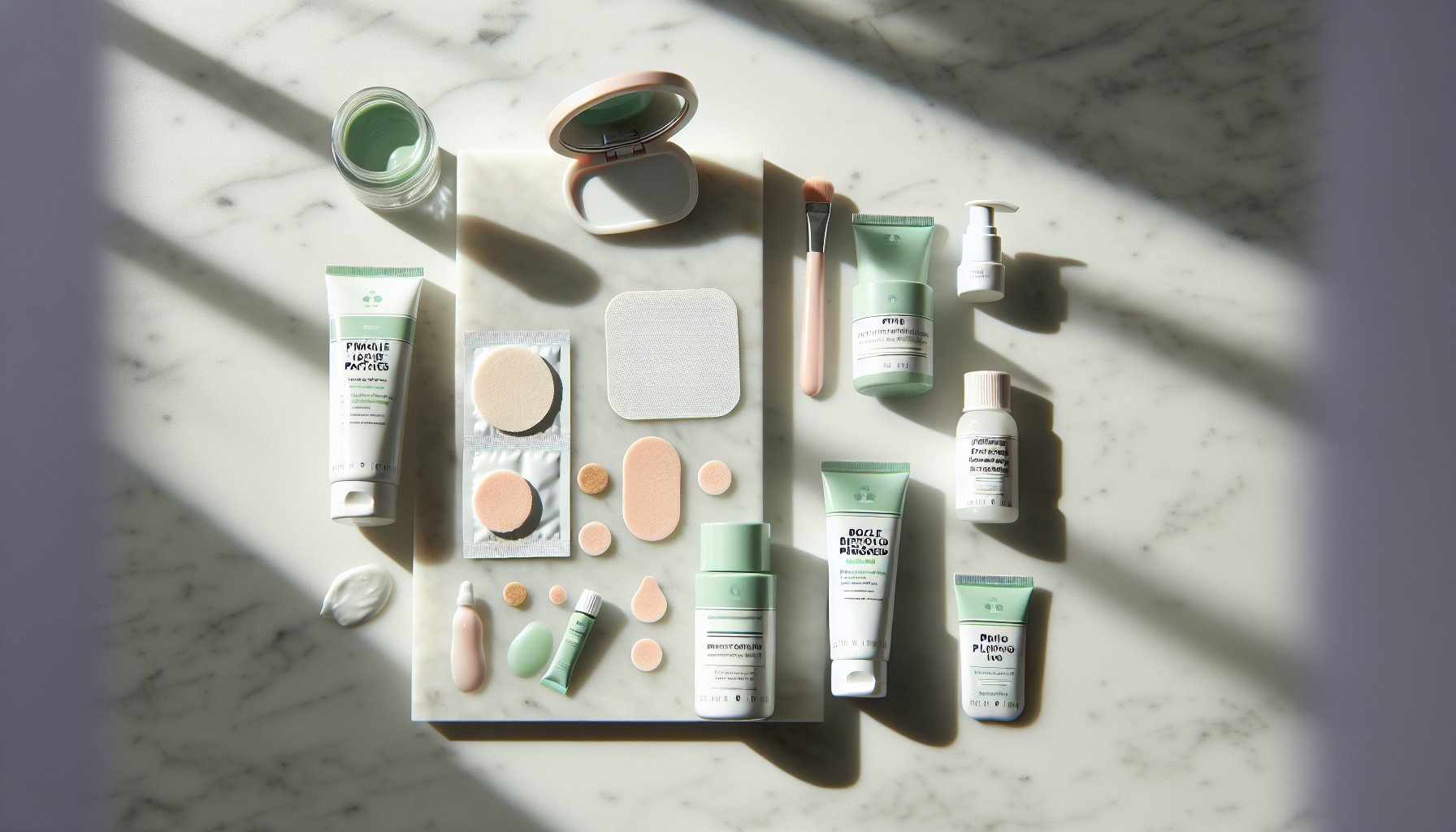
A 2022 study in the Journal of Clinical Medicine tested how quickly benzoyl peroxide kills acne-causing bacteria and found that 5% and 10% concentrations achieve a bactericidal effect in just 30 seconds of contact. A separate 2024 randomized controlled trial showed hydrocolloid pimple patches reduced lesion size by 35% and improved severity by 44% within two days. Both approaches work — but for different types of breakouts.
Quick Summary:
- Benzoyl peroxide kills acne bacteria within 30 seconds at 5% concentration, with no known bacterial resistance
- Hydrocolloid pimple patches physically absorb fluid and protect healing lesions, showing 35% size reduction in 2 days
- Salicylic acid works best for comedonal acne (blackheads and whiteheads) by unclogging pores
- Sulfur spot treatments show results as early as Day 1 for reducing redness and inflammation
- No spot treatment prevents future breakouts — they only address existing pimples
How Spot Treatments Work
Spot treatments are concentrated products applied directly to individual pimples rather than the entire face. They deliver higher doses of active ingredients to a targeted area, reducing the inflammation and bacteria causing a specific breakout without exposing surrounding skin to potentially irritating concentrations.
The 2024 AAD guidelines for acne management provide strong recommendations for benzoyl peroxide and conditional recommendations for salicylic acid, establishing these as the two most evidence-backed spot treatment ingredients. But the right choice depends on what type of pimple you're treating.
Benzoyl Peroxide: Best for Inflammatory Acne
Benzoyl peroxide is the gold standard spot treatment for red, inflamed, pus-filled pimples. It works by generating free radicals that destroy Cutibacterium acnes bacteria — and unlike antibiotics, bacteria cannot develop resistance to it.
The 2022 Journal of Clinical Medicine study tested multiple concentrations and found that 2.5%, 5%, and 10% benzoyl peroxide show equal efficacy against bacteria, though higher concentrations cause more irritation. This means a 2.5% spot treatment works just as well as 10% with far less dryness and peeling.
How to use: Apply a thin layer directly to the pimple after cleansing. Start with a 2.5% concentration. La Roche-Posay Effaclar Duo Acne Spot Treatment (around $25) contains 5.5% benzoyl peroxide in a targeted formula.
Best for: Pustules, papules, and inflamed red bumps. Not effective for blackheads or whiteheads.
Caution: Benzoyl peroxide bleaches fabric — pillowcases, towels, and clothing. Use white linens when applying and let it dry completely before bed.
Salicylic Acid: Best for Comedonal Acne
Salicylic acid is a BHA that penetrates oil-filled pores to dissolve the dead skin cells and sebum plug causing the blockage. A 2025 study confirmed it effectively reduces acne lesions while also regulating sebum production and strengthening the skin barrier.
Unlike benzoyl peroxide, salicylic acid doesn't kill bacteria directly — it prevents the conditions that allow bacteria to thrive. This makes it the better choice for non-inflamed comedones (blackheads and whiteheads) that need to be unclogged rather than disinfected.
How to use: Apply to the affected area once or twice daily. Paula's Choice 2% BHA Liquid Exfoliant (around $33) can be used as a targeted spot treatment by applying with a cotton swab to individual blemishes.
Best for: Blackheads, whiteheads, closed comedones, and mildly inflamed acne.
Hydrocolloid Pimple Patches
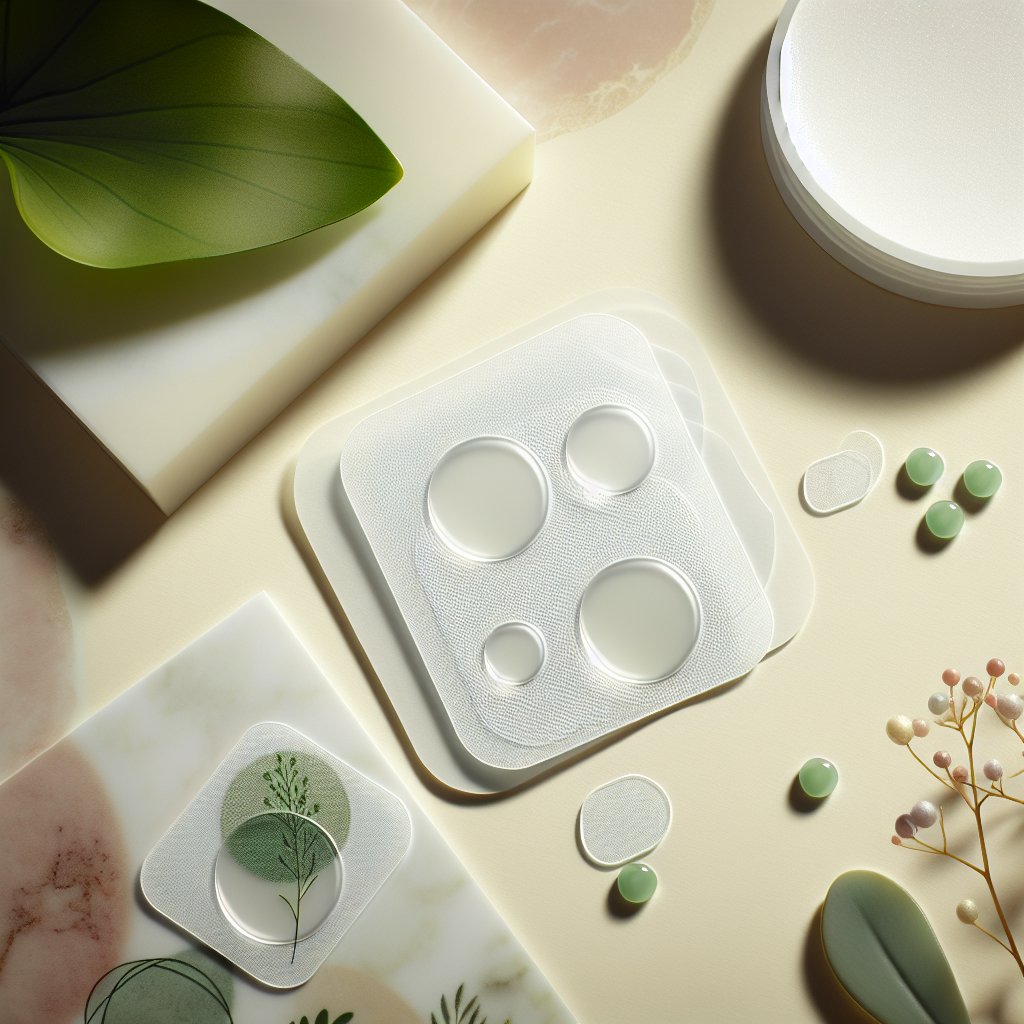
Pimple patches have exploded in popularity, and the clinical evidence supports their use. A 2024 randomized controlled trial published in the Journal of the American Academy of Dermatology found significant improvements in smoothness, crusting, erythema, size, and elevation when hydrocolloid patches were applied to acne lesions.
Hydrocolloid patches work through wound-healing principles — they absorb fluid and exudate from the pimple while creating a moist, protected environment that speeds healing. They also physically prevent you from touching and picking at the pimple, which reduces scarring risk.
How to use: Apply to a clean, dry pimple (they adhere best to bare skin without product). Leave on for 6-12 hours — overnight is ideal. The patch turns white as it absorbs fluid. COSRX Acne Pimple Master Patch (around $6) provides 24 patches per pack at an accessible price.
Best for: Pimples that have come to a head, popped pimples, and picked-at spots. Less effective on deep, cystic acne or closed comedones.
Verdict: Benzoyl peroxide is the strongest spot treatment for red, inflamed pimples. Salicylic acid is best for clogged pores and comedones. Pimple patches protect healing lesions and prevent picking. The most effective approach uses the right treatment for the right pimple type, not one product for everything.
Sulfur Spot Treatments
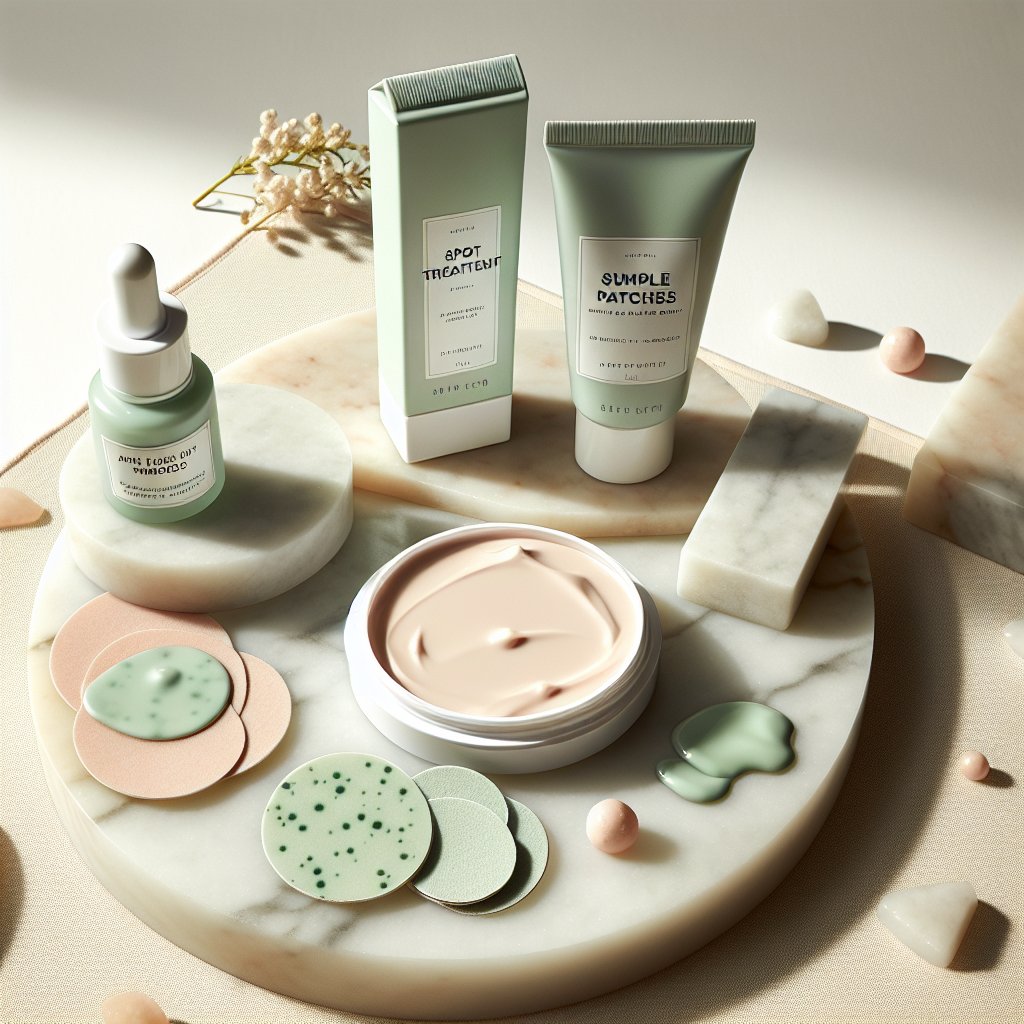
Sulfur is an underrated spot treatment with fast-acting anti-inflammatory results. A 2023 study presented at the AAD found significant reduction in lesion redness and elevation by Day 1, with measurable diameter reduction by Day 3 when sulfur was combined with niacinamide.
Sulfur works through keratolytic (cell-shedding) and antibacterial properties. It's gentler than benzoyl peroxide, making it suitable for sensitive skin that can't tolerate stronger spot treatments.
Best for: Sensitive skin, mild to moderate inflammatory acne, overnight spot treatment.
Tea Tree Oil
A review in Antioxidants found tea tree oil gel was 3.55 times more effective than placebo for reducing acne lesion counts. An earlier randomized trial showed comparable efficacy between 5% tea tree oil and 5% benzoyl peroxide, though tea tree oil had slower onset of action with fewer side effects.
How to use: Apply diluted tea tree oil (5% concentration in a product — never apply pure essential oil to skin) directly to pimples. Results take longer than benzoyl peroxide — expect one to two weeks rather than days.
Best for: Those who prefer natural alternatives and are willing to wait longer for results.
Spot Treatment Mistakes
Using spot treatment on your whole face. Concentrated acne treatments are formulated for individual lesions, not entire-face application. Applying benzoyl peroxide across your whole face causes widespread dryness and irritation. For full-face treatment, see our acne treatment guide.
Layering multiple spot treatments. Applying benzoyl peroxide, salicylic acid, and a pimple patch to the same pimple on the same night causes irritation without better results. Choose one approach per pimple per night.
Applying over other actives. Don't apply spot treatment on top of retinol or AHA exfoliants — the combination is too irritating. On nights you use a spot treatment, skip other actives on that area.
Expecting prevention from spot treatments. Spot treatments fix existing pimples. Preventing new ones requires a consistent daily routine with appropriate cleansing, exfoliation, and treatment products. See our skincare routine guide.
Building a Spot Treatment Kit
A complete spot treatment approach uses different products for different breakout types:
- Differin Adapalene Gel 0.1% (around $15) — retinoid-based preventive treatment applied to acne-prone areas nightly to prevent new breakouts
- Benzoyl peroxide 2.5-5% — for inflamed, red pimples that appear
- BHA spot treatment — for blackheads and closed comedones
- Pimple patches — for pimples that have come to a head or been picked
Apply your preventive treatment (adapalene) nightly across acne-prone areas. When a pimple appears, address it with the appropriate spot treatment based on type.
Frequently Asked Questions
Can I use spot treatment every night?
Yes, on active pimples. Apply to existing breakouts nightly until they resolve. Don't continue applying to clear skin — spot treatments are reactive, not preventive.
Do pimple patches work on cystic acne?
Standard hydrocolloid patches have limited effect on deep cystic acne because the inflammation is too far below the surface. Microneedle patches (which contain dissolving salicylic acid or niacinamide needles) may penetrate deeper, but evidence is limited.
Can I wear spot treatment under makeup?
Benzoyl peroxide and salicylic acid can be applied under makeup if given time to dry (five to ten minutes). Pimple patches work under concealer but may show through foundation depending on coverage.
Should I pop a pimple before applying spot treatment?
No. Popping pushes bacteria deeper, increases inflammation, and raises scarring risk. Apply spot treatment to intact pimples. If a pimple has already burst or been picked, apply a hydrocolloid patch to protect it.
How fast do spot treatments work?
Benzoyl peroxide shows clinical improvement in as few as five days. Pimple patches show visible reduction in two days. Salicylic acid takes three to seven days for comedonal acne. Tea tree oil takes one to two weeks.
Can I use benzoyl peroxide and retinol together?
Not on the same area at the same time — benzoyl peroxide can degrade retinol. Apply retinol to your face, then apply benzoyl peroxide only to specific pimples. Alternatively, use them on different nights.
Are prescription spot treatments better?
Prescription-strength benzoyl peroxide and topical antibiotics (clindamycin) are stronger but not always necessary. The 2024 AAD guidelines note that over-the-counter 2.5% benzoyl peroxide matches prescription strength for bacterial killing. Prescription is warranted for moderate to severe acne that doesn't respond to OTC treatment.
What's the best spot treatment for dark spots left after acne?
Post-inflammatory hyperpigmentation requires different treatment than active pimples. Niacinamide, vitamin C, and azelaic acid address pigmentation. See our hyperpigmentation guide.
Can I use spot treatment during pregnancy?
Salicylic acid at 2% concentration in topical spot treatments is considered safe during pregnancy. Benzoyl peroxide has limited pregnancy data but is generally considered low-risk for topical use. Avoid retinoid-based spot treatments. Consult your healthcare provider for personalized guidance.
Do spot treatments cause purging?
Salicylic acid and retinoid-based spot treatments can cause temporary purging — existing microcomedones surfacing as visible pimples. This typically resolves within two to six weeks. Benzoyl peroxide and pimple patches do not cause purging.
How do I choose between benzoyl peroxide and salicylic acid?
Red, inflamed, pus-filled pimples → benzoyl peroxide. Blackheads, whiteheads, clogged pores → salicylic acid. If you're unsure, benzoyl peroxide at 2.5% is the safest starting point because it addresses the most common acne type with the strongest clinical evidence.
The Bottom Line
Match your spot treatment to your breakout type: benzoyl peroxide for inflamed pimples, salicylic acid for clogged pores, pimple patches for healing lesions. No single spot treatment works on every pimple type, and none of them prevent future breakouts — that requires a consistent daily routine.
Sources:
- Seok J, et al. Minimum Contact Time of Benzoyl Peroxide for a Bactericidal Effect Against Cutibacterium acnes. J Clin Med. 2022;11(5):1367. https://pmc.ncbi.nlm.nih.gov/articles/PMC8922035/
- Basra R, et al. The Science Behind a Viral Trend: Demonstrating Safety and Efficacy of Hydrocolloid Patch for Facial Acne. J Am Acad Dermatol. 2024. https://www.jaad.org/article/S0190-9622(24)02377-6/fulltext
- Zaenglein AL, et al. Guidelines of care for the management of acne vulgaris. J Am Acad Dermatol. 2024. https://pubmed.ncbi.nlm.nih.gov/38300170/
- Liu Y, et al. Clinical Efficacy of a Salicylic Acid-Containing Gel on Acne Management. J Cosmet Dermatol. 2025. https://pmc.ncbi.nlm.nih.gov/articles/PMC12274963/
- Pazyar N, Yaghoobi R. Tea tree oil: Properties and the Therapeutic Approach to Acne. Antioxidants. 2023. https://pmc.ncbi.nlm.nih.gov/articles/PMC10295805/