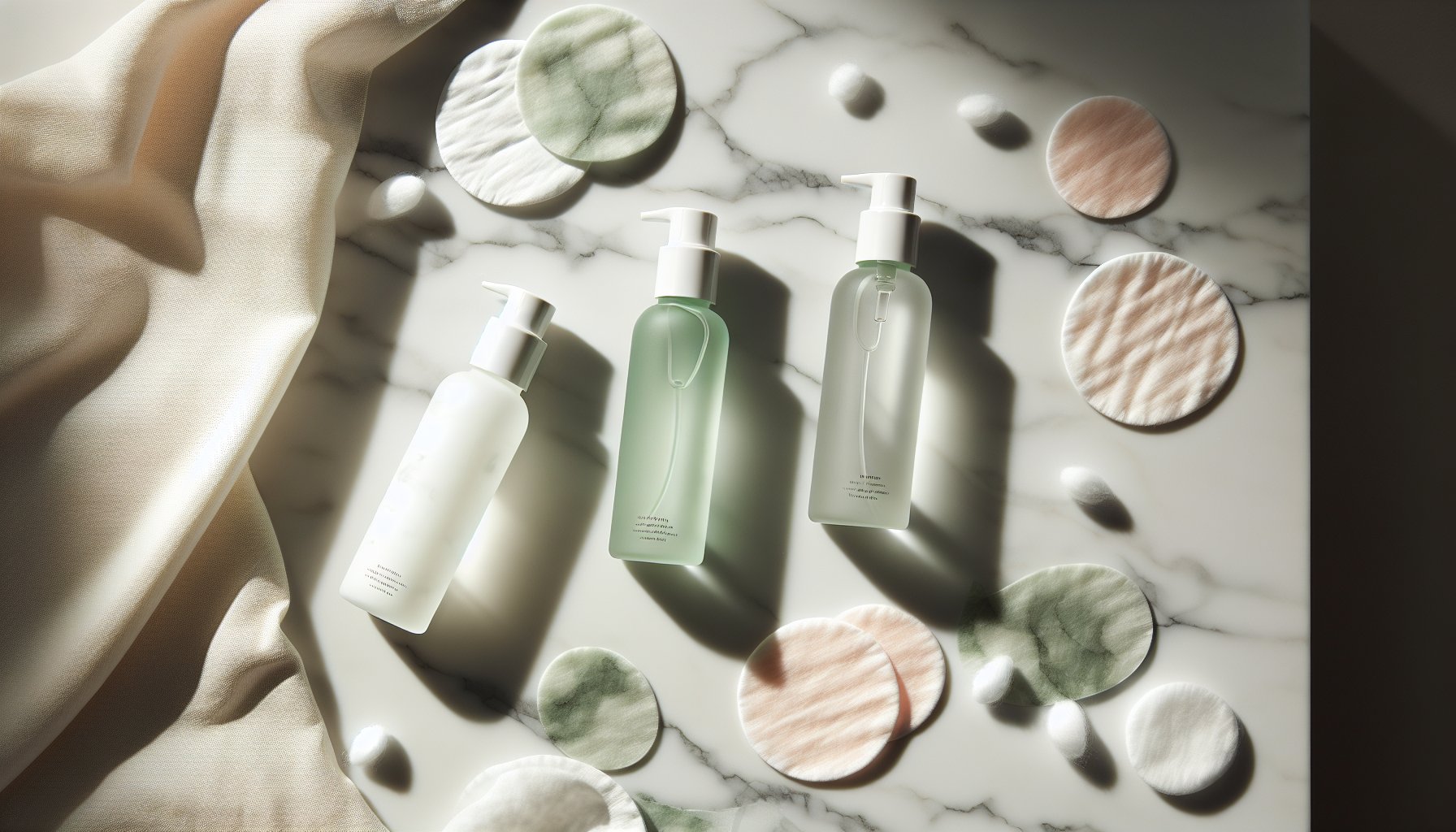
A 2024 review in the Journal of Investigative Dermatology confirmed that skin pH — typically between 4.0 and 5.8 — is pivotal for maintaining barrier integrity, antimicrobial defense, and enzyme function in the stratum corneum. Cleansing raises this pH, and modern toners were originally designed to restore it. Today's toners do far more: hydrating toners deliver active ingredients, exfoliating toners resurface skin, and the old alcohol-based astringents have largely been abandoned by dermatologists.
Quick Summary:
- Modern toners fall into three categories: hydrating, exfoliating, and astringent (avoid the last one)
- Hydrating toners with hyaluronic acid or niacinamide add a lightweight moisture and treatment layer
- Exfoliating toners with AHAs or BHAs provide daily chemical exfoliation for texture and clarity
- Alcohol-based astringent toners strip the barrier and worsen oiliness long-term
- Toners are optional — a well-built routine works without one, but the right toner adds real value
What Toners Actually Do
Toners are liquid skincare products applied after cleansing and before serums or moisturizers. Their purpose has evolved dramatically over the past two decades.
Originally: Toners existed to remove soap residue and restore skin's acidic pH after alkaline cleansers stripped it away. Early formulations contained alcohol, witch hazel, and astringent agents that temporarily tightened pores.
Now: Modern cleansers are pH-balanced, making the original rationale for toners largely obsolete. Today's toners function as lightweight delivery vehicles for active ingredients — they're essentially thin serums that prep the skin to absorb subsequent products more effectively.
A clinical study published in the Journal of Cosmetic Science found that repeated toner application was effective for skin hydration, and that combining toner with cream produced the greatest hydration improvement in normal skin.
Types of Toners
Hydrating Toners
These contain humectants like hyaluronic acid, glycerin, or niacinamide in a water-based formula. They add a thin layer of hydration before heavier products and help subsequent serums absorb better.
A 2021 review in Antioxidants confirmed that topical niacinamide stimulates ceramide, free fatty acid, and cholesterol synthesis in keratinocytes — directly strengthening the skin barrier. In a 12-week study, 5% niacinamide showed significant reduction in wrinkle depth, hyperpigmentation, redness, and sallowness.
Best for: Dry skin, dehydrated skin, anyone wanting an extra hydration layer. The Ordinary Hyaluronic Acid 2% + B5 (around $9) functions well as a hydrating toner applied to damp skin.
Exfoliating Toners
These contain chemical exfoliants — AHAs like glycolic or lactic acid, or BHAs like salicylic acid — at concentrations designed for daily or every-other-day use. A 2023 review in Cosmetics established that AHAs promote skin cell turnover and collagen synthesis while also boosting ceramide and cholesterol production that maintains a healthy barrier.
Best for: Dull skin, uneven texture, hyperpigmentation, acne-prone skin. Paula's Choice 2% BHA Liquid Exfoliant (around $33) is one of the most well-regarded exfoliating toners available.
Astringent Toners (Skip These)
Traditional astringent toners contain high concentrations of alcohol or witch hazel (which itself contains 14-15% alcohol). These temporarily shrink pores and remove oil, but research consistently shows they damage the skin barrier, increase transepidermal water loss, and trigger compensatory oil overproduction — making oily skin worse over time.
If your current toner lists alcohol (or SD alcohol, denatured alcohol) as one of the first five ingredients, replace it with an alcohol-free alternative.
Verdict: Toners are not essential, but the right one adds genuine value. A hydrating toner preps dry skin for better product absorption. An exfoliating toner provides consistent chemical exfoliation without adding another step. Skip astringent toners entirely — they belong to an era of harsher skincare that modern formulations have moved beyond.
How to Choose the Right Toner
Step 1: Identify your goal. If you want more hydration, choose a hydrating toner. If you want smoother, clearer skin, choose an exfoliating toner. If you don't have a specific goal, you likely don't need a toner.
Step 2: Check the active ingredients.
- Hydrating: Look for hyaluronic acid, glycerin, niacinamide, or ceramides
- Exfoliating: Look for glycolic acid (AHA), lactic acid (AHA), or salicylic acid (BHA)
- Avoid: Alcohol, witch hazel, menthol, fragrance
Step 3: Consider your skin type.
- Oily skin: BHA exfoliating toner (salicylic acid penetrates pores)
- Dry skin: Hydrating toner with hyaluronic acid
- Sensitive skin: Gentle hydrating toner, avoid exfoliating toners initially
- Combination skin: Either type — BHA on the T-zone, hydrating on cheeks
How to Use a Toner
Apply toner immediately after cleansing, on clean, slightly damp skin:
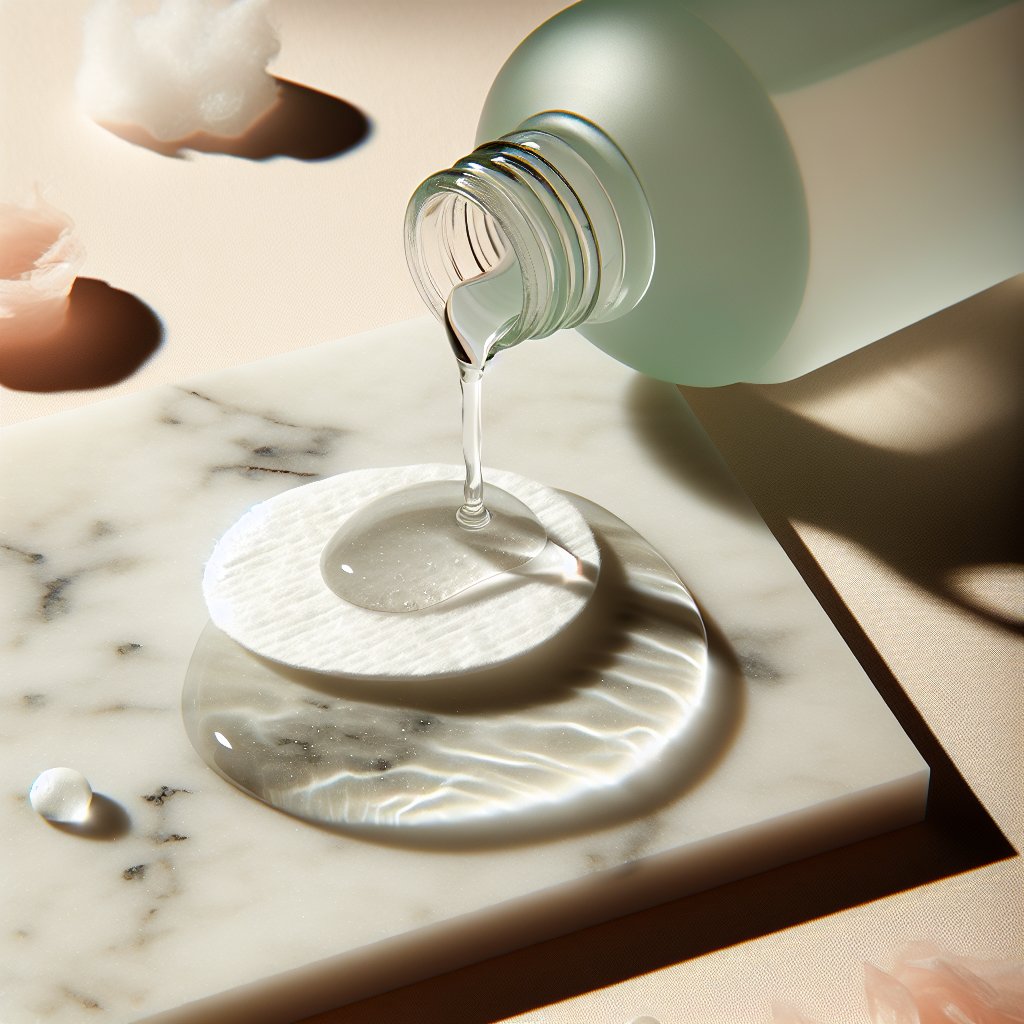
- Dispense a few drops or a small amount onto your palms or a cotton pad
- Gently pat or press into the skin — avoid rubbing or dragging
- Wait 30-60 seconds for absorption before applying serum or moisturizer
- For exfoliating toners, start every other day and increase to daily as tolerated
Layering order: Cleanser → Toner → Serum → Moisturizer → Sunscreen (AM)
Top Toner Recommendations
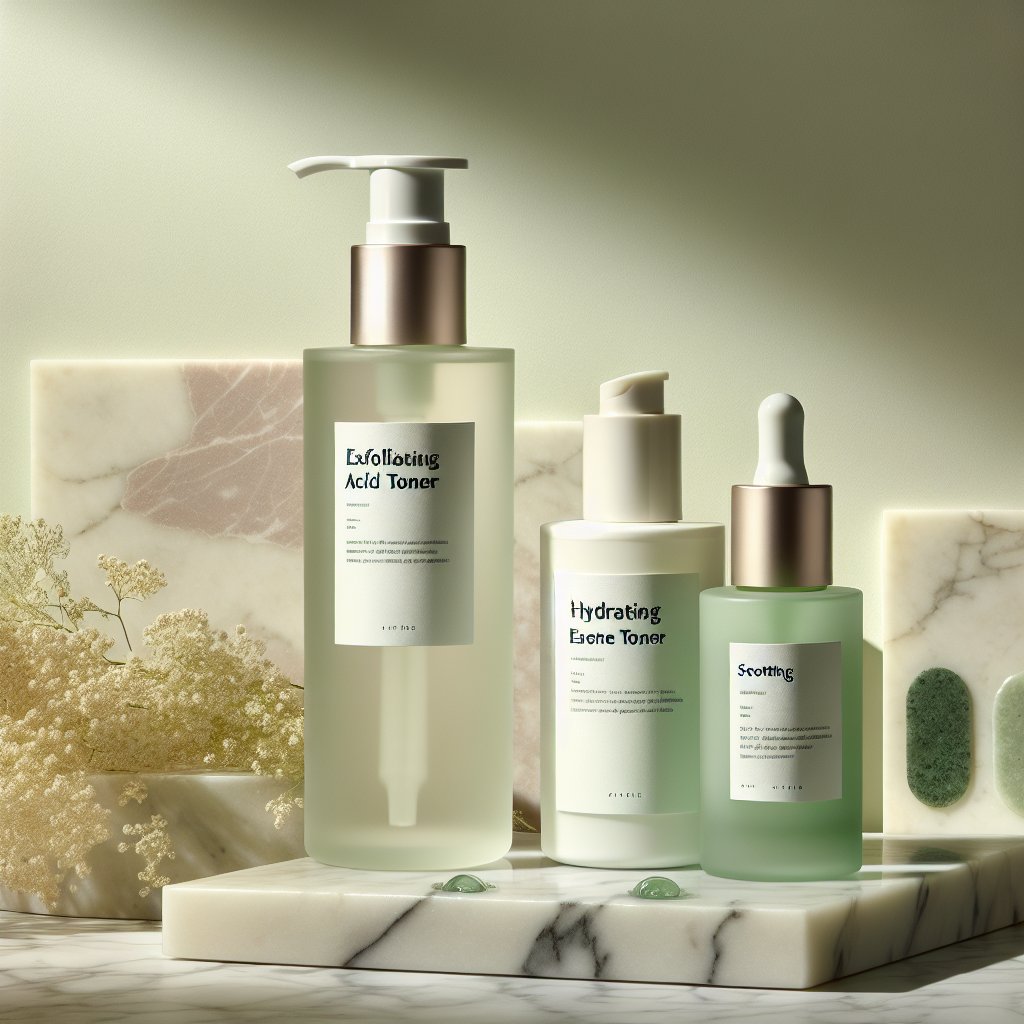
For hydration: COSRX Snail Mucin Essence (around $22) — lightweight hydrating formula that layers well under any routine. Contains snail secretion filtrate for hydration and soothing.
For oily/acne-prone skin: Paula's Choice 2% BHA Liquid Exfoliant (around $33) — the gold standard salicylic acid toner that unclogs pores and smooths texture.
For brightening: The Ordinary Glycolic Acid 7% Toning Solution (around $10) — an affordable AHA toner that improves radiance and fades dark spots over consistent use.
For sensitive skin: A fragrance-free hydrating toner with minimal ingredients. Vanicream Gentle Facial Cleanser (around $10) paired with your regular moisturizer may serve you better than adding a toner with potential irritants.
Common Toner Mistakes
Using an alcohol-based toner for oily skin. This creates a cycle: alcohol strips oil, skin overproduces oil to compensate, you use more toner. Switch to a BHA toner that controls oil at the pore level without stripping.
Applying exfoliating toner on the same night as retinol. Both increase cell turnover — combining them nightly risks barrier damage. Alternate: exfoliating toner on non-retinoid nights, or use a skin cycling approach.
Over-applying. A few drops patted in is sufficient. Soaking a cotton pad and scrubbing your face wastes product and creates friction irritation.
Using toner as a cleanser substitute. Toner doesn't remove sunscreen, makeup, or environmental debris. Always cleanse first, then tone. See our cleanser guide.
Frequently Asked Questions
Do I really need a toner?
No. A well-structured routine of cleanser, serum, moisturizer, and sunscreen covers all essentials. Toners are beneficial additions — not requirements. If your skin is healthy and your concerns are addressed by existing products, skip it.
Can a toner replace my serum?
Some toners contain the same active ingredients as serums (niacinamide, hyaluronic acid) at lower concentrations. A well-formulated toner can partially replace a serum, but dedicated serums typically deliver higher concentrations for more targeted results.
What's the difference between a toner and an essence?
The terms overlap significantly. Generally, essences (common in Korean skincare) are slightly thicker and more treatment-focused than traditional toners, but many products labeled as either would function the same way. The ingredient list matters more than the category name.
Should I use a cotton pad or my hands?
Hands waste less product and create less friction. Pat the toner into your skin with clean palms. Cotton pads are useful for exfoliating toners where you want gentle physical wiping, but they absorb significant product.
Can I layer multiple toners?
You can, but it adds complexity with diminishing returns. If you want hydration and exfoliation, alternate them on different days rather than layering both daily. See our layering actives guide.
How long should I wait after applying toner?
Wait 30-60 seconds for the toner to absorb before applying your next product. For exfoliating toners with AHAs or BHAs, some dermatologists recommend waiting two to three minutes for the acid to work at the proper pH before layering moisturizer.
Is witch hazel a good toner?
Most commercial witch hazel products contain 14-15% alcohol, which damages the barrier. Pure, alcohol-free witch hazel has mild anti-inflammatory properties, but better alternatives exist for every skin concern it claims to address.
Can I use an exfoliating toner every day?
Start every other day and increase to daily only if your skin tolerates it without redness, tightness, or stinging. Some people tolerate daily BHA well; others do better with AHA three to four times weekly. Listen to your skin.
Do toners help with acne?
BHA (salicylic acid) toners are specifically effective for acne — salicylic acid is oil-soluble, allowing it to penetrate and clear pores. AHA toners address post-acne marks and texture. See our acne treatment guide.
What's the best toner for mature skin?
A hydrating toner with hyaluronic acid adds moisture that mature skin needs, while a gentle AHA toner addresses the slower cell turnover that causes dullness. Avoid anything with alcohol or strong astringents.
Are toners the same as micellar water?
No. Micellar water is a cleanser — it removes makeup and dirt with surfactant molecules. Toners are treatment or hydration products applied after cleansing. Using micellar water as a toner leaves surfactant residue on the skin.
The Bottom Line
Modern toners are optional treatment products, not cleansing necessities. Choose a hydrating toner for extra moisture or an exfoliating toner for texture and clarity. Avoid alcohol-based astringent formulas entirely. The right toner adds value to your routine; the wrong one damages your barrier.
Sources:
- The Skin Acid Mantle: An Update on Skin pH. J Invest Dermatol. 2024. https://pubmed.ncbi.nlm.nih.gov/39243251/
- Ghanbari S, et al. Comparison of skin hydration in combination and single use of common moisturizers. J Cosmet Sci. 2016;67(4):187-195. https://pubmed.ncbi.nlm.nih.gov/29394018/
- Karwal K, Mukovozov I. Topical AHA in Dermatology: Formulations, Mechanisms of Action, Efficacy, and Future Perspectives. Cosmetics. 2023;10(5):131. https://www.mdpi.com/2079-9284/10/5/131
- Boo YC. Mechanistic Basis and Clinical Evidence for the Applications of Nicotinamide (Niacinamide). Antioxidants. 2021;10(8):1315. https://pmc.ncbi.nlm.nih.gov/articles/PMC8389214/
- Sawangrat K, et al. Development and Clinical Efficacy Evaluation of Facial Toner. Cosmetics. 2023;10(5):133. https://www.mdpi.com/2079-9284/10/5/133