
A study published in the British Journal of Dermatology (2009) found that approximately 29% of the general population reports symptoms of dry skin at any given time, making it one of the most common dermatological complaints worldwide. Yet most people treat dry skin by simply piling on moisturizer — addressing the symptom without fixing the underlying problem. Effective dry skin treatment requires understanding why your skin loses moisture in the first place and targeting those specific mechanisms.
Quick Summary:
- Dry skin results from a compromised lipid barrier that allows water to escape, not just from a lack of surface moisture
- The most effective treatment combines humectants (to attract water), emollients (to smooth), and occlusives (to seal) in that order
- Ceramides, hyaluronic acid, and glycerin are the three most research-backed ingredients for dry skin repair
- Over-cleansing and hot water are the two most common habits that worsen dry skin — switching to a gentle cleanser makes an immediate difference
- Most dry skin significantly improves within two to four weeks of consistent barrier-repair treatment
Understanding Dry Skin
Dry skin (xerosis) occurs when your skin's outer layer — the stratum corneum — loses more water than it retains. This happens because of breakdown in the skin's lipid barrier, the thin layer of ceramides, cholesterol, and fatty acids that sits between skin cells and prevents moisture from escaping.
There's an important distinction between dry skin and dehydrated skin. Dry skin is a skin type characterized by chronically low oil (sebum) production and reduced lipid content in the barrier. Dehydrated skin is a temporary condition where any skin type lacks water, often caused by environmental factors, over-exfoliation, or inadequate hydration. You can have oily skin that's also dehydrated — the surface is greasy, but the deeper layers lack water.
True dry skin tends to feel persistently tight after washing, shows visible flaking or rough patches, and may develop fine lines that aren't related to aging but rather to chronic dehydration of the tissue. In more severe cases, the skin cracks, itches, or develops eczema-like patches. Understanding whether you're dealing with a dry skin type or temporary dehydration changes the treatment approach. For help identifying your skin type, see our guide on determining your skin type.
What Causes Dry Skin?
Multiple factors contribute to dry skin, and most people experience a combination:
Lipid barrier damage. When ceramide levels drop — whether from genetics, aging, harsh products, or environmental stress — the "mortar" between skin cells develops gaps. A study by Imokawa et al. in the Journal of Investigative Dermatology (1991) showed that patients with severely dry skin had up to 50% lower ceramide levels than those with healthy skin. This lipid deficiency is the root cause of most chronic dryness.
Environmental factors. Low humidity (below 30%), cold weather, indoor heating, and air conditioning all strip moisture from the skin's surface. Winter dryness is particularly common because cold outdoor air holds less moisture, and heated indoor air actively draws water from the skin.
Over-cleansing. Harsh cleansers with sulfates (sodium lauryl sulfate, sodium laureth sulfate) strip the natural oils from your skin with every wash. Hot water compounds this problem by dissolving lipids more effectively than lukewarm water. If your skin feels "squeaky clean" after washing, you've removed too much.
Age-related decline. Sebum production decreases naturally with age, and total ceramide content drops by approximately 30% between ages 20 and 80. This is why people who had normal or even oily skin in their twenties often develop dry skin in their forties and fifties.
Medical conditions. Eczema (atopic dermatitis), psoriasis, thyroid disorders, and diabetes all predispose to dry skin. Certain medications — including retinoids, diuretics, and statins — can also reduce skin hydration.
The Three-Layer Treatment Strategy
The most effective approach to dry skin uses three categories of ingredients that work together:
Layer 1: Humectants (attract water). Humectants are molecules that bind water from the environment and the deeper skin layers, pulling it into the stratum corneum. The most effective humectants are hyaluronic acid (which holds up to 1,000 times its weight in water), glycerin (the most extensively studied humectant), and urea (which also has mild keratolytic properties at concentrations above 10%).
Apply humectants to damp skin — they work by binding available water, so applying to dry skin in a dry environment can actually pull moisture out of deeper skin layers, making things worse. The Ordinary Hyaluronic Acid 2% + B5 (around $8) delivers multiple molecular weights of hyaluronic acid for surface and deeper hydration.
Layer 2: Emollients (smooth and soften). Emollients fill in the gaps between skin cells, creating a smoother surface and reducing the rough, flaky feeling of dry skin. Common emollients include squalane, fatty alcohols (cetyl alcohol, cetearyl alcohol), and plant oils (jojoba, rosehip). Most moisturizers serve primarily as emollients.
Layer 3: Occlusives (seal moisture in). Occlusives create a physical barrier on the skin's surface that prevents transepidermal water loss. The gold standard occlusive is petrolatum (petroleum jelly), which reduces TEWL by up to 99% according to research published in the Journal of the Society of Cosmetic Chemists (1972). Dimethicone, shea butter, and lanolin are other effective occlusives. CeraVe Moisturizing Cream (around $17) combines all three layers — hyaluronic acid (humectant), ceramides (emollient/barrier repair), and petrolatum (occlusive) — in a single product.
Verdict: Effective dry skin treatment requires all three layers working together: humectants to pull water in, emollients to smooth the surface, and occlusives to lock everything in place. A single lightweight lotion won't fix chronic dryness — you need a layered approach targeting the actual barrier breakdown.
Building a Dry Skin Routine
Morning:
- Wash with a gentle, non-foaming cleanser or rinse with lukewarm water only
- Apply a hyaluronic acid serum to damp skin
- Follow with a ceramide-rich moisturizer
- Apply broad-spectrum sunscreen — UV damage worsens barrier dysfunction
Evening:
- Cleanse with a gentle, hydrating cleanser — CeraVe Hydrating Facial Cleanser (around $16) or Vanicream Gentle Facial Cleanser (around $9) are research-backed options that clean without stripping
- Apply treatment serums (hyaluronic acid, niacinamide)
- Apply a rich moisturizer
- For severe dryness, seal with a thin layer of petroleum jelly or a heavy occlusive balm over the most affected areas (this technique is called slugging)
Weekly: Gentle exfoliation once per week with a low-concentration AHA (5% lactic acid is gentler than glycolic acid for dry skin) removes dead cell buildup without compromising the barrier. Skip exfoliation entirely if your skin is cracked or inflamed — heal first, exfoliate later.
Product Recommendations
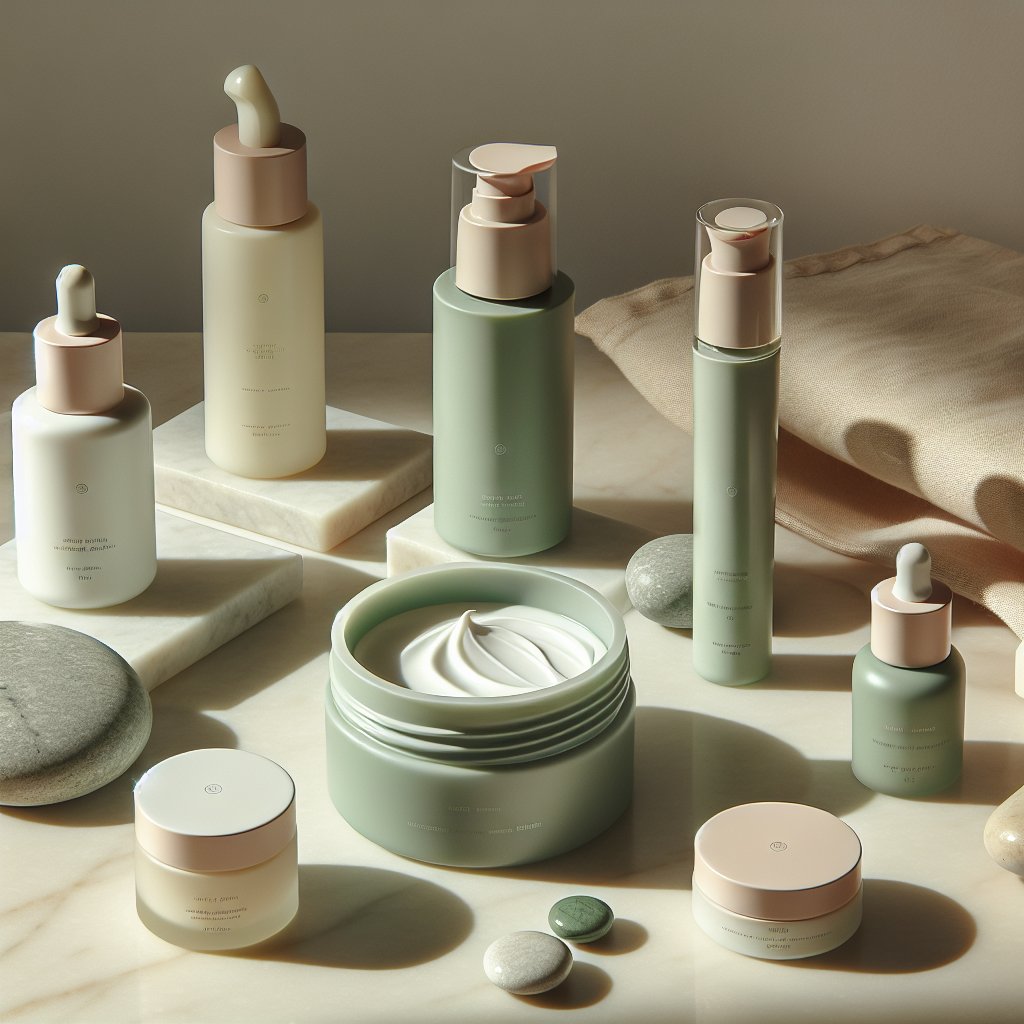
Cleanser: Vanicream Gentle Facial Cleanser (around $9) — sulfate-free, fragrance-free, and pH-balanced. Won't strip natural oils.
Moisturizer: CeraVe Moisturizing Cream (around $17) — three ceramides, hyaluronic acid, and petrolatum in a clinically proven formula. The 16-oz tub lasts months and can be used on face and body.
Serum: The Ordinary Hyaluronic Acid 2% + B5 (around $8) — multi-weight hyaluronic acid for deep hydration at a fraction of the price of luxury alternatives.
Repair cream: La Roche-Posay Toleriane Double Repair Moisturizer (around $20) — ceramide-based formula with prebiotic thermal water that helps restore the skin's natural microbiome. Excellent for sensitive dry skin.
For a comprehensive breakdown of moisturizer ingredients and formats, see our moisturizer guide.
Common Mistakes to Avoid
Using hot water. Hot showers and face washing dissolve the lipid barrier far more aggressively than lukewarm water. Keep your water temperature warm, not hot, and limit showers to 10 minutes or less.
Choosing the wrong cleanser. Foaming cleansers with sulfates are designed to cut through oil — exactly the opposite of what dry skin needs. Switch to a cream, milk, or gel cleanser labeled "hydrating" or "non-foaming." For guidance, see our cleanser guide.
Applying moisturizer to dry skin. Moisturizers work best when applied to damp skin because they trap the surface water against your skin. After cleansing, pat skin lightly (don't rub dry) and apply moisturizer within 60 seconds while it's still damp.
Over-exfoliating. Dry skin needs less exfoliation, not more. Scrubbing or using strong chemical exfoliants further damages the already compromised barrier. Limit exfoliation to once per week with a gentle product.
Ignoring internal hydration. While drinking water alone won't cure dry skin, chronic dehydration exacerbates it. Ensure adequate daily water intake and consider using a humidifier in dry environments, especially during winter months.
Frequently Asked Questions
What's the difference between dry skin and dehydrated skin?
Dry skin is a skin type defined by low sebum production and reduced lipid barrier content — it's a chronic, genetic predisposition. Dehydrated skin is a temporary condition where the skin lacks water, regardless of skin type. Oily skin can be dehydrated. Dry skin treatment focuses on barrier repair with ceramides and occlusives; dehydrated skin treatment focuses on humectants and water intake.
How long does it take to repair dry skin?
Mild dryness improves within one to two weeks of consistent moisturizing. Moderate dryness with visible flaking takes two to four weeks. Severely compromised skin with cracking or eczema-like symptoms may take six to eight weeks of barrier-repair treatment. Consistency matters more than product cost — applying the right products twice daily produces results faster than sporadic use of expensive products.
Is hyaluronic acid good for dry skin?
Yes — hyaluronic acid is one of the best humectant ingredients for dry skin. It pulls water into the skin's outer layers and holds it there. The key is applying it to damp skin and sealing it with a moisturizer or occlusive. Used alone on dry skin in a dry environment, it can actually worsen dryness by pulling water from deeper layers upward and letting it evaporate.
Can dry skin cause acne?
Yes. When the skin barrier is compromised, it can overcompensate by producing excess sebum, leading to breakouts. Additionally, a damaged barrier is more vulnerable to bacterial invasion and inflammation. Treating the dryness and repairing the barrier often improves acne in people with both conditions simultaneously.
Should you exfoliate dry skin?
Gently and infrequently. Once per week with a mild chemical exfoliant (5% lactic acid or a PHA like gluconolactone) removes dead cell buildup without further damaging the barrier. Avoid physical scrubs, high-concentration AHAs, and BHAs on dry skin. If your skin is cracked or inflamed, skip exfoliation entirely until the barrier has recovered.
What ingredients should dry skin avoid?
Avoid sodium lauryl sulfate (SLS) and sodium laureth sulfate (SLES) in cleansers — these surfactants strip barrier lipids. Avoid high-concentration alcohol (alcohol denat., SD alcohol, isopropyl alcohol) in toners or serums. Avoid fragrance and essential oils, which can irritate compromised barriers. Retinol use should be approached cautiously with strong moisturizer support.
Does drinking more water help dry skin?
Marginally. Severe systemic dehydration worsens skin dryness, but for people who drink adequate water, additional intake has minimal effect on skin hydration. Topical treatment (humectants, emollients, occlusives) is far more effective than drinking extra water because it targets the skin barrier directly rather than relying on systemic hydration to reach the epidermis.
Is petroleum jelly safe for the face?
Yes. Petroleum jelly (petrolatum) is non-comedogenic despite its heavy texture, according to research published in the Journal of Cosmetic Dermatology. It creates an effective occlusive seal without clogging pores. Dermatologists routinely recommend it for severely dry or eczema-prone facial skin. It's one of the most effective and affordable dry skin treatments available.
When should you see a dermatologist for dry skin?
See a dermatologist if your dry skin doesn't improve after four to six weeks of consistent treatment, if it's accompanied by severe itching that disrupts sleep, if you notice cracking or bleeding, if patches appear red or inflamed (possible eczema or psoriasis), or if dryness develops suddenly without an obvious cause (which could indicate an underlying medical condition).
Can retinol make dry skin worse?
Retinol can temporarily worsen dryness because it accelerates cell turnover and can disrupt the lipid barrier during the adjustment period. However, long-term retinol use actually improves skin hydration by strengthening the dermis. If you have dry skin and want to use retinol, start with the lowest concentration, apply every third night, and always pair with a ceramide moisturizer.
What's the best moisturizer for extremely dry skin?
For extremely dry skin, look for a cream (not lotion) containing ceramides, hyaluronic acid, and an occlusive like petrolatum or dimethicone. CeraVe Moisturizing Cream and Vanicream Moisturizing Skin Cream are dermatologist-recommended options. For nighttime, layering a hyaluronic acid serum under the cream and sealing with petroleum jelly provides maximum hydration.
The Bottom Line
Dry skin treatment isn't about finding one miracle product — it's about restoring your barrier's ability to hold moisture. Use a gentle cleanser, apply humectants to damp skin, seal with a ceramide-rich moisturizer, and protect with sunscreen daily. Avoid hot water, harsh cleansers, and over-exfoliation. With consistent care, most dry skin shows meaningful improvement within two to four weeks.
Sources:
- Rawlings AV, Harding CR. "Moisturization and skin barrier function." Dermatologic Therapy. 2004;17 Suppl 1:43-48. https://pubmed.ncbi.nlm.nih.gov/14728698/
- Imokawa G, et al. "Decreased level of ceramides in stratum corneum of atopic dermatitis: an etiologic factor in atopic dry skin?" Journal of Investigative Dermatology. 1991;96(4):523-526. https://pubmed.ncbi.nlm.nih.gov/2007790/
- Lodén M. "The clinical benefit of moisturizers." Journal of the European Academy of Dermatology and Venereology. 2005;19(6):672-688. https://pubmed.ncbi.nlm.nih.gov/16268870/
- Purnamawati S, et al. "The role of moisturizers in addressing various kinds of dermatitis: a review." Clinical Medicine & Research. 2017;15(3-4):75-87. https://pubmed.ncbi.nlm.nih.gov/29229630/
- Sethi A, et al. "Moisturizers: the slippery road." Indian Journal of Dermatology. 2016;61(3):279-287. https://pubmed.ncbi.nlm.nih.gov/27293245/