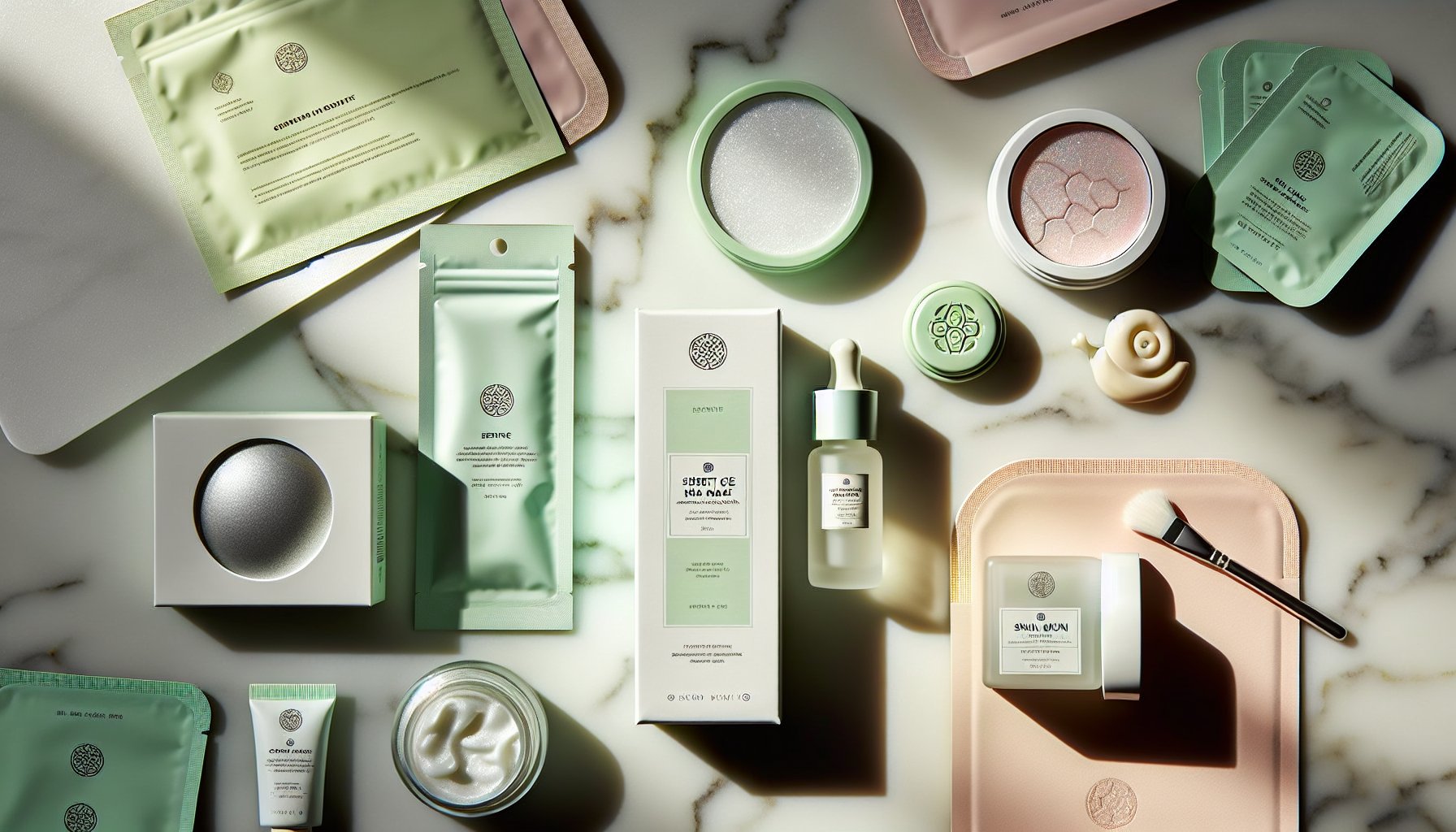
A 2021 review in Evidence-Based Complementary and Alternative Medicine documented that centella asiatica — one of Korean skincare's signature ingredients — demonstrated significant improvements in skin hydration, transepidermal water loss, elasticity, and wrinkle appearance in human clinical studies. Meanwhile, a 12-month longitudinal study of galactomyces ferment filtrate (the active in SK-II's iconic essence) showed cumulative improvements in wrinkles, pigmentation, and roughness. Korean skincare's best contributions are backed by real science.
Quick Summary:
- Korean skincare emphasizes prevention and layered hydration over correction and treatment
- The 10-step routine is a menu of options, not a mandatory daily protocol — most people benefit from five to seven steps
- Centella asiatica, snail mucin, and fermented ingredients have genuine clinical evidence supporting their use
- Double cleansing originated in K-beauty and is clinically supported for removing sunscreen and makeup
- The best K-beauty approach adapts Korean principles to your skin's specific needs
The Korean Skincare Philosophy
Korean skincare differs from Western approaches in a fundamental way: it prioritizes prevention over correction. While Western routines tend to address problems after they appear — reaching for retinol when wrinkles develop or benzoyl peroxide when acne strikes — Korean skincare focuses on maintaining healthy, well-hydrated skin that resists problems in the first place.
This translates to routines built around hydration layers, gentle formulations, and barrier protection rather than aggressive active ingredients. The philosophy isn't anti-science — many K-beauty innovations are grounded in clinical research — but it emphasizes sustained skin health over rapid problem-solving.
The 10-Step Routine Explained
The famous 10-step Korean skincare routine is widely misunderstood. As dermatologists have clarified, it's a menu of possible steps — not a rigid protocol requiring all ten steps morning and night.
Step 1: Oil cleanser — Dissolves sunscreen, makeup, and excess sebum. Essential for effective double cleansing.
Step 2: Water-based cleanser — Removes remaining residue the oil cleanser lifted.
Step 3: Exfoliant — AHA or BHA, used one to three times weekly. Not daily. See our exfoliation guide.
Step 4: Toner — Hydrating toner that preps skin for subsequent products. See our toners guide.
Step 5: Essence — A lightweight, hydrating treatment unique to K-beauty. Often contains fermented ingredients or hyaluronic acid.
Step 6: Serum/Ampoule — Concentrated actives targeting specific concerns. See our serums guide.
Step 7: Sheet mask — Occasional hydrating treatment, one to two times weekly.
Step 8: Eye cream — Targeted periorbital treatment. See our eye cream guide.
Step 9: Moisturizer — Seals in all previous layers. See our moisturizer guide.
Step 10: Sunscreen — Non-negotiable final morning step. See our sunscreen guide.
A practical K-beauty routine uses five to seven of these steps. Most people benefit from double cleansing, toner, essence or serum, moisturizer, and sunscreen — skipping sheet masks, eye cream, and exfoliant on most days.
Key Korean Skincare Ingredients
Centella Asiatica (Cica)
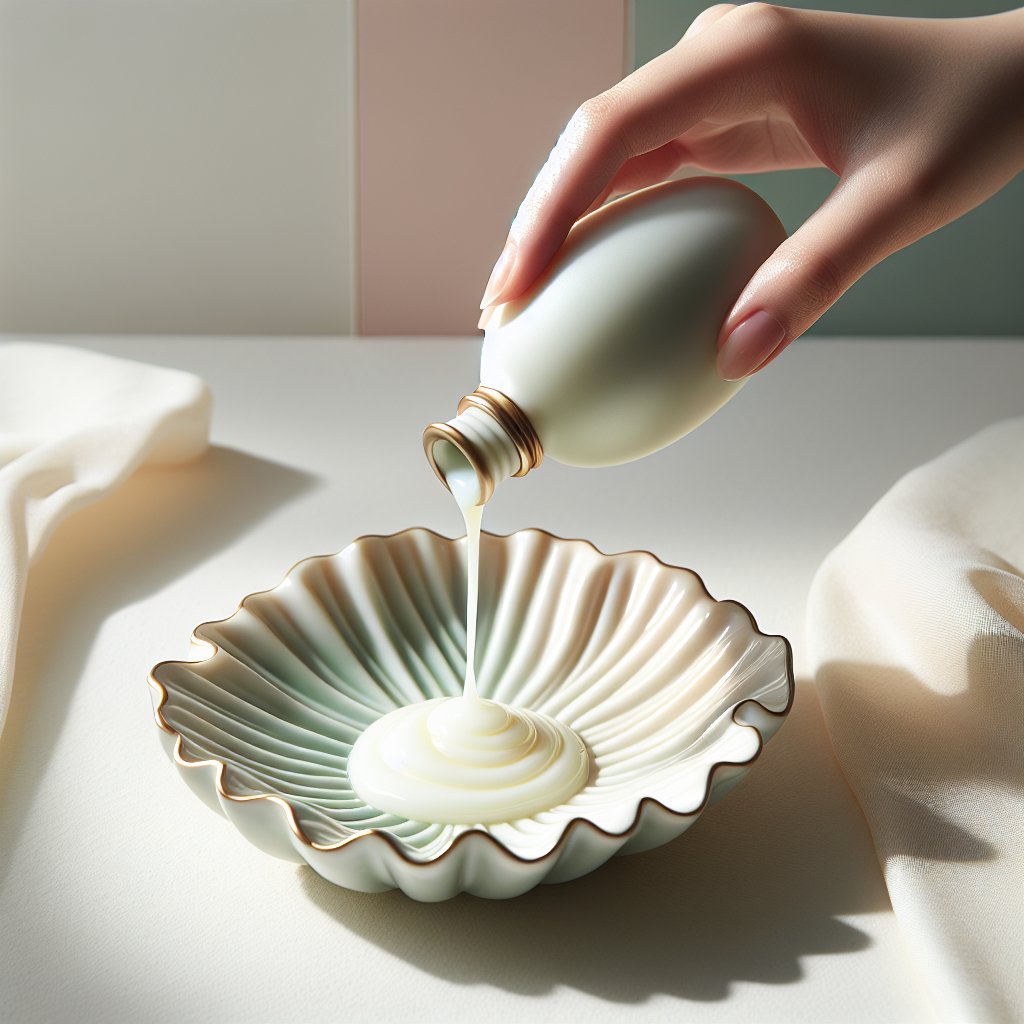
A 2021 clinical review confirmed centella asiatica improves hydration, barrier function, and wound healing through multiple mechanisms. Its active compounds — asiaticoside, madecassoside, asiatic acid, and madecassic acid — stimulate collagen synthesis while reducing inflammation. A clinical study found that 5% centella asiatica extract increased skin hydration by 25%.
Best for: Sensitive skin, post-procedure recovery, barrier repair, redness reduction.
Snail Mucin (Snail Secretion Filtrate)
A 2024 review in the Journal of Cosmetic Dermatology analyzed clinical evidence showing snail mucin enhances the growth and movement of keratinocytes and fibroblasts — the key cell types for skin repair. Clinical trials demonstrated improvements in transepidermal water loss, skin roughness, elasticity, and wrinkle appearance.
COSRX Advanced Snail 96 Mucin Power Essence (around $22) is the most popular snail mucin product, containing 96% snail secretion filtrate in a lightweight, layerable formula.
Best for: Hydration, texture improvement, post-acne recovery, general skin health.
Fermented Ingredients
Korean skincare pioneered the use of fermented ingredients in cosmetics. A 12-month longitudinal study published in the Journal of Clinical Medicine found that galactomyces ferment filtrate cumulatively improved wrinkles, pigmented spots, and skin roughness throughout the treatment period — benefits that continued building over time rather than plateauing.
Fermentation increases the bioavailability of active compounds and produces additional beneficial metabolites including ceramides, amino acids, and antioxidants.
Best for: Anti-aging, brightening, improving overall skin health. COSRX Galactomyces 95 Tone Balancing Essence (around $22) offers fermented yeast filtrate at an accessible price.
Propolis
A 2022 systematic review in Pharmaceuticals analyzed clinical evidence confirming propolis accelerates wound healing through antimicrobial, anti-inflammatory, and collagen-promoting properties. In skincare, propolis provides soothing anti-inflammatory benefits for acne-prone and reactive skin.
Best for: Acne-prone skin, inflammation, soothing irritated skin. COSRX Full Fit Propolis Light Ampoule (around $18) delivers concentrated propolis in a lightweight formula.
Verdict: Korean skincare's strongest contributions are its ingredient innovations and hydration-first philosophy. Centella asiatica, snail mucin, and fermented ingredients all have clinical evidence supporting their benefits. The 10-step routine is unnecessarily complex for most people, but the underlying principle — layered hydration with gentle, barrier-supporting products — is sound science.
What K-Beauty Gets Right
Layered hydration. Multiple thin hydrating layers absorb better than one thick layer of cream. This approach delivers water to skin cells more effectively and keeps barrier function strong.
Gentle formulations. Korean products tend toward lower concentrations of actives in gentler bases. This reduces irritation and supports long-term routine adherence — the factor that determines real results. See our introducing new products guide.
Sun protection culture. South Korea treats sunscreen as a fundamental daily product, not an optional beach accessory. This cultural emphasis on UV protection translates to better long-term skin health outcomes.
Innovation pipeline. South Korea's cosmetics industry invests heavily in research — functional cosmetics account for 37.5% of production value, and companies like AmorePacific maintain R&D partnerships with institutions including Johns Hopkins' Department of Dermatology.
What to Skip
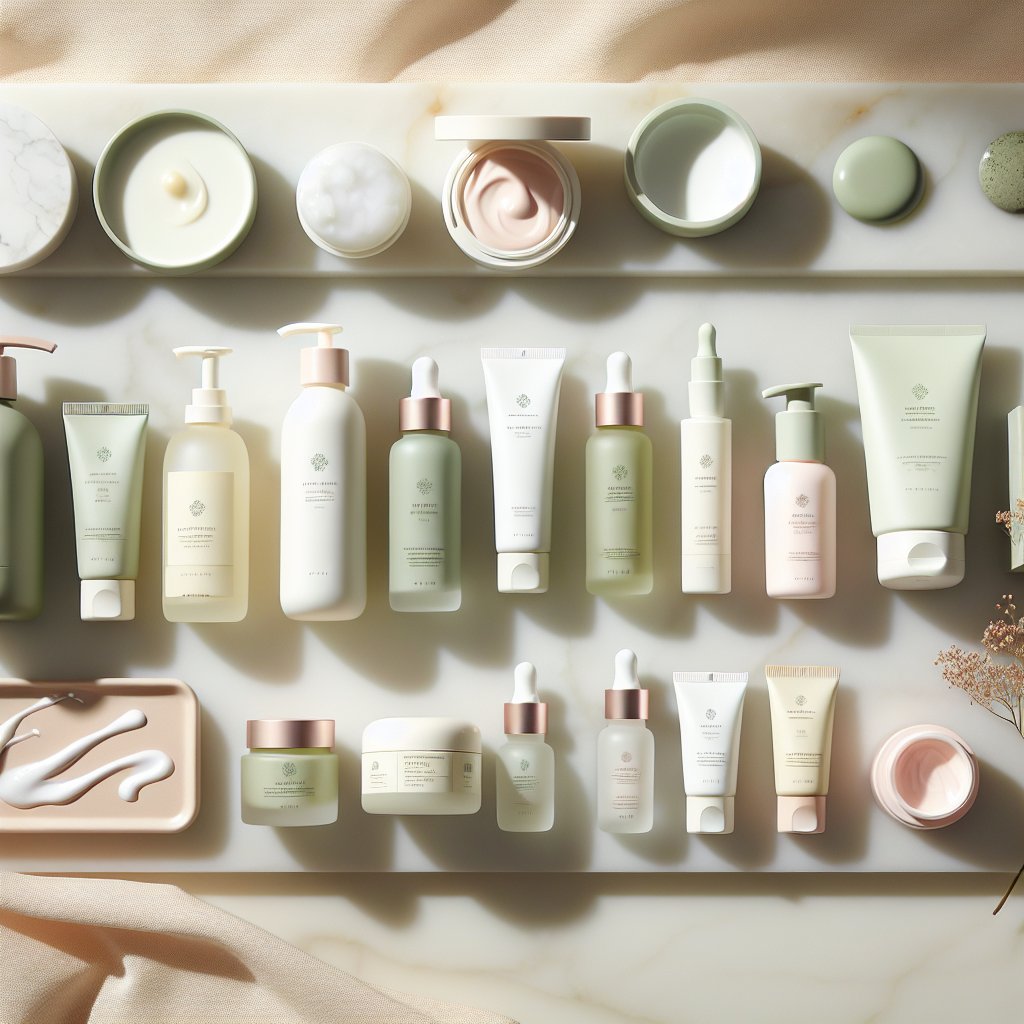
The full 10-step routine. More products don't equal better skin. Dermatologists have noted increased barrier damage cases as complex routines gained mainstream popularity. Use only the steps your skin needs.
Sheet masks as daily essentials. Research shows sheet mask benefits peak within 15-25 minutes, and extended use can actually increase dryness. They're occasional treats, not daily necessities.
Products with long, unfamiliar ingredient lists. Some K-beauty products contain dozens of botanical extracts with limited evidence. Stick to products featuring the clinically proven ingredients above.
Following trends blindly. Not every K-beauty trend has evidence behind it. Evaluate new products the same way you'd evaluate any skincare purchase — by the active ingredients and their clinical support.
Frequently Asked Questions
Is a 10-step routine too much for my skin?
Probably. Most dermatologists recommend five to seven targeted steps. The 10-step framework is a comprehensive menu — pick the steps that address your concerns and skip the rest. A simpler routine you follow consistently beats a complex one you abandon.
Is snail mucin safe for sensitive skin?
Yes, for most people. Snail mucin is generally well-tolerated and anti-inflammatory. However, if you have a known allergy to dust mites, you may cross-react to snail protein. Patch test first.
Can I combine K-beauty with Western actives?
Absolutely. Many effective routines blend Korean hydrating products (essences, centella toners) with Western actives (retinol, vitamin C). Korean and Western products use the same underlying chemistry. See our layering actives guide.
Are K-beauty products regulated?
South Korea's Ministry of Food and Drug Safety (MFDS) maintains strict cosmetic regulations including GMP manufacturing standards and banned ingredient lists. Animal testing is prohibited. Korean cosmetic regulations are comparable to EU standards — often stricter than US regulations.
What's the difference between an essence and a serum?
Essences are thinner and more hydration-focused, often containing fermented ingredients or hyaluronic acid. Serums are more concentrated with higher active ingredient percentages for targeted treatment. In practice, many products labeled as either would function similarly.
Is double cleansing necessary?
A clinical study found oil-based cleansers were necessary for proper sunscreen removal — water-based cleansers alone left residue. If you wear sunscreen (you should) or makeup, double cleansing is clinically justified. If you wear neither, a single gentle cleanse is sufficient.
Do fermented ingredients cause breakouts?
Fermented ingredients don't inherently cause breakouts. However, some fermented products contain yeast-derived compounds that may trigger fungal acne (malassezia folliculitis) in susceptible individuals. If you're prone to fungal acne, check ingredient lists for galactomyces, saccharomyces, or other yeast-related ferments.
Why is Korean sunscreen better?
Korean sunscreens often have superior cosmetic elegance — lighter textures, less white cast, better makeup compatibility. South Korea's UV filter regulations permit newer ingredients (like Tinosorb) not yet approved in the US, allowing more advanced formulations.
Can men use Korean skincare?
Yes. Skincare is gender-neutral — skin biology doesn't differ meaningfully between sexes in terms of how it responds to hydration, sun protection, and active ingredients. Korean skincare's emphasis on lightweight, non-greasy textures may actually appeal to men who dislike heavy creams.
Are expensive K-beauty brands worth it?
The same principle applies as with Western skincare: price doesn't determine efficacy. COSRX, The Ordinary, and other affordable K-beauty brands contain the same proven ingredients as premium lines. See our budget skincare guide for affordable options.
What K-beauty products should I try first?
Start with a centella asiatica toner or COSRX Snail Mucin Essence — both are widely tolerated, affordable, and provide noticeable hydration benefits from the first use. Add one product at a time to your existing routine rather than overhauling everything.
The Bottom Line
Korean skincare's greatest strengths are its hydration-first philosophy, ingredient innovation (centella asiatica, snail mucin, fermented filtrates), and sun protection culture. Adopt the principles that serve your skin — layered hydration, gentle formulations, daily sunscreen — without feeling obligated to follow a rigid 10-step protocol.
Sources:
- Pharmacological Effects of Centella asiatica on Skin Diseases: Evidence and Possible Mechanisms. Evid Based Complement Alternat Med. 2021. https://pmc.ncbi.nlm.nih.gov/articles/PMC8627341/
- Singh D, et al. Snail extract for skin: A review of uses, projections, and limitations. J Cosmet Dermatol. 2024. https://pubmed.ncbi.nlm.nih.gov/38429932/
- Significant Reversal of Facial Wrinkle, Pigmented Spot and Roughness by Daily Application of Galactomyces Ferment Filtrate. J Clin Med. 2023;12(3):1168. https://www.mdpi.com/2077-0383/12/3/1168
- Healing Potential of Propolis in Skin Wounds Evidenced by Clinical Studies. Pharmaceuticals. 2022. https://pmc.ncbi.nlm.nih.gov/articles/PMC9504298/
- Biological and Cosmetical Importance of Fermented Raw Materials: An Overview. Fermentation. 2022. https://pmc.ncbi.nlm.nih.gov/articles/PMC9369470/