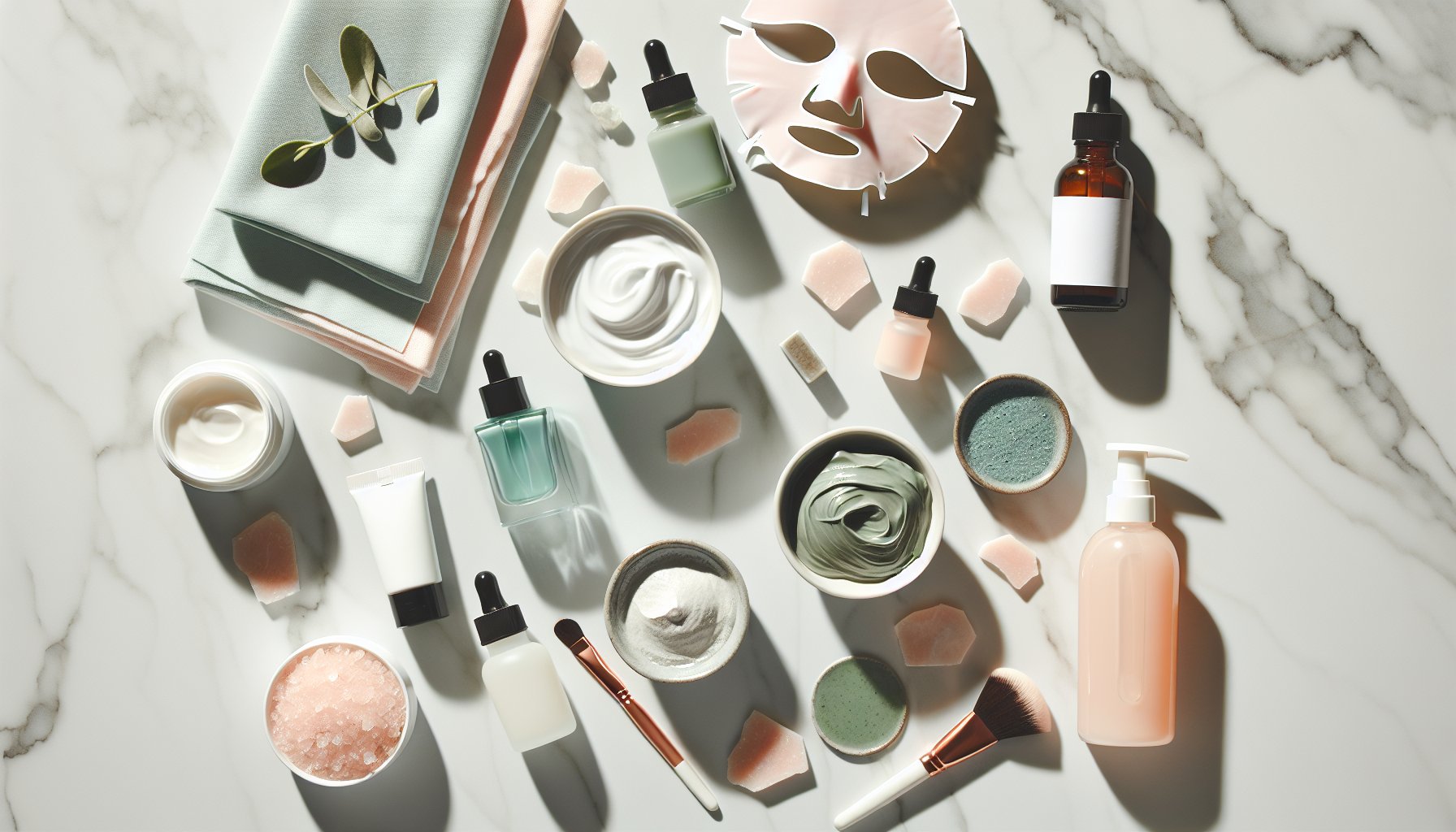
A 2023 clinical trial published in Skin Research and Technology tested clay masks on 75 adults with oily and acne-prone skin and found significant improvements in comedone counts, sebum levels, skin evenness, stratum corneum hydration, and transepidermal water loss — all from a treatment used just once or twice weekly. Weekly treatments work because they deliver concentrated benefits your daily routine can't match.
Quick Summary:
- Clay masks absorb excess oil and reduce inflammation, with clinical evidence supporting once or twice weekly use
- At-home chemical peels with AHAs or BHAs resurface skin more intensely than daily exfoliants
- Sheet masks provide temporary hydration boosts but don't replace good moisturizers
- Enzyme masks offer gentler exfoliation for sensitive skin that can't tolerate acids
- Over-treating is the biggest risk — one to two weekly treatments is enough for most skin types
Why Weekly Treatments Matter
Your daily routine handles the fundamentals: cleansing, moisturizing, protecting, and treating with actives like retinol or vitamin C. But some skin concerns benefit from concentrated, periodic treatments that would be too intense for daily use.
Weekly treatments fill this gap. A stronger chemical exfoliant, a deep-cleansing mask, or a targeted booster treatment can address concerns that daily products maintain but don't fully resolve. The key is knowing which treatments provide real benefits and which are marketing noise.
Clay Masks
Clay masks are the most clinically supported weekly treatment for oily and congested skin. Kaolin and bentonite — the two most common mask clays — absorb excess sebum, draw out impurities from pores, and reduce surface oiliness.
The 2023 clinical trial found that clay masks improved multiple skin parameters simultaneously. Unlike spot treatments that target one concern, clay masks address the entire oily-skin ecosystem: excess oil, enlarged pores, uneven texture, and early-stage breakouts.
How to use: Apply a thin, even layer to clean, dry skin. Leave on 10-15 minutes — until the mask begins to dry but before it fully hardens and starts cracking. Rinse with lukewarm water. Follow with moisturizer immediately, since clay draws moisture from the surface.
Best for: Oily skin, combination skin (T-zone only), congested pores, and acne-prone skin.
Frequency: Once or twice weekly. More often strips the barrier and triggers rebound oil production.
At-Home Chemical Peels
Daily exfoliants like a 2% salicylic acid toner work at the surface. Weekly chemical peels use higher concentrations — typically 10-30% AHAs or BHAs — to exfoliate more deeply, accelerate cell turnover, and improve texture, tone, and clarity.
A comprehensive review in Dermatologic Surgery found that superficial chemical peels achieve over 85% patient satisfaction for skin texture improvement. At-home versions use lower concentrations than professional peels but still produce visible results over consistent weekly use.
The Ordinary AHA 30% + BHA 2% Peeling Solution (around $8) is one of the most popular at-home options — a 10-minute weekly treatment that combines glycolic, lactic, tartaric, and citric acids with salicylic acid.
How to use: Apply to clean, dry skin. Leave on for the recommended time (usually 5-10 minutes for at-home peels). Rinse thoroughly. Do not use on the same day as retinoids or other strong exfoliants. Follow with a gentle moisturizer.
Best for: Dull skin, uneven texture, hyperpigmentation, and fine lines.
For a gentler alternative, The Ordinary Lactic Acid 10% (around $8) provides a milder weekly peel suitable for sensitive or dry skin.
Frequency: Once weekly. See our exfoliation guide for more options.
Verdict: Weekly treatments earn their place in your routine when chosen strategically. Clay masks and chemical peels have genuine clinical support; sheet masks provide temporary benefits at best. One to two targeted weekly treatments deliver more than five random ones — keep it focused and consistent.
Sheet Masks
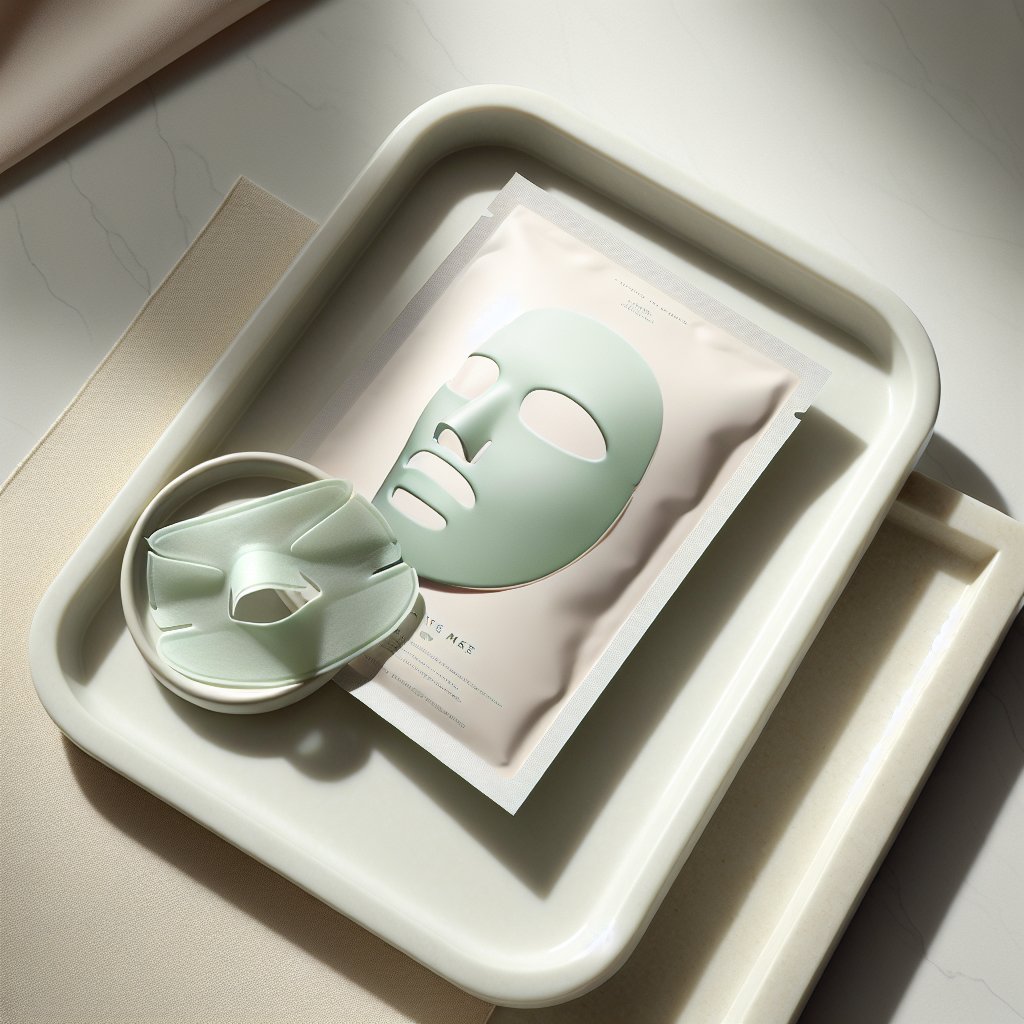
Sheet masks are popular but their benefits are more limited than marketing suggests. A 2024 study on sheet mask usage found that benefits peak within 15-25 minutes, and extended use beyond that window can actually increase dryness — 57% of participants experienced drying effects with prolonged application.
Sheet masks work by creating an occlusive environment that forces hydrating ingredients into the upper skin layers. This produces an immediate plumping, hydrating effect that looks and feels impressive but is largely temporary — most of the hydration dissipates within hours.
That said, sheet masks have a real use case: pre-event skin prep and recovery from dehydrating treatments. After a chemical peel or during a harsh winter week, a hydrating sheet mask provides a quick moisture boost that supports barrier recovery.
How to use: Apply to clean skin, leave on 15-20 minutes (never longer), remove, and pat remaining serum into skin. Follow with moisturizer to seal in hydration.
Best for: Temporary hydration boost, pre-event prep, post-treatment recovery.
Frequency: One to two times weekly as desired. Not a substitute for a good moisturizer.
Enzyme Masks
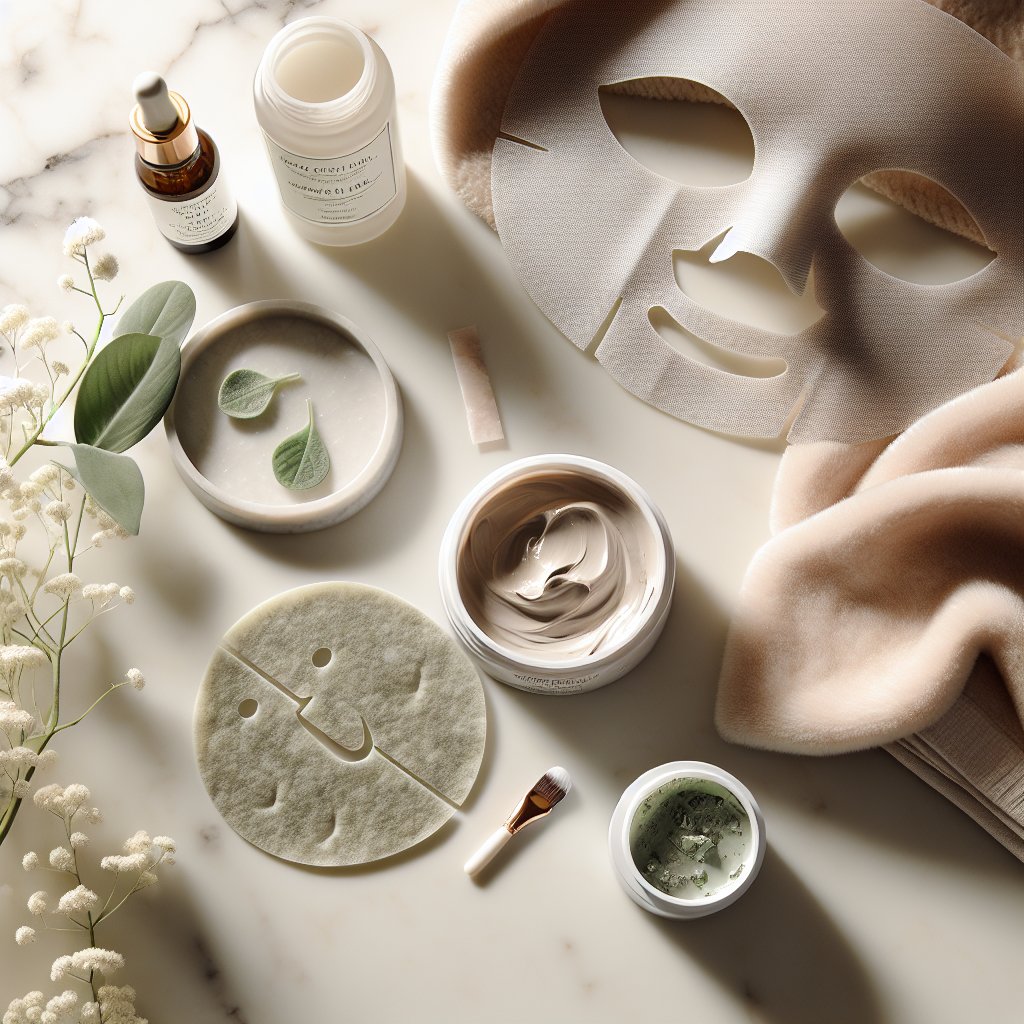
For skin too sensitive for AHAs and BHAs, enzyme masks offer an alternative exfoliation pathway. Proteolytic enzymes — papain from papaya and bromelain from pineapple — break down the keratin protein bonds holding dead cells together.
A review in the Journal of Cosmetic Dermatology found that enzyme exfoliants effectively remove dead skin cells through a different mechanism than acids, making them suitable for reactive skin. However, the same review noted that papain has significant inflammatory potential in some individuals, so patch testing is important.
How to use: Apply to clean, dry skin for 10-15 minutes. Rinse thoroughly. Monitor for irritation during first use.
Best for: Sensitive skin that can't tolerate chemical exfoliants, rosacea-prone skin. Vanicream Gentle Facial Cleanser (around $10) makes an excellent pre-mask cleanser for reactive skin.
Frequency: Once weekly.
LED Light Therapy
At-home LED masks have gained popularity, and the science behind them is real. A controlled trial published in Photomedicine and Laser Surgery demonstrated that red light (600-660nm) and near-infrared light (800-860nm) stimulate collagen production and improve fine lines.
The practical issue is consistency. Clinical results require three to four sessions per week for at least four to eight weeks. A 2024 clinical trial found that face-conforming LED masks achieved 340% greater improvement in deep skin elasticity compared to conventional rigid designs — fit matters as much as the light itself.
How to use: Follow device instructions for wavelength-specific protocols. Use three to four times per week, 10-20 minutes per session. Apply over clean skin before other products.
Best for: Fine lines, anti-aging, dull skin.
Frequency: Three to four times weekly for 8+ weeks, then one to two maintenance sessions.
Building Your Weekly Treatment Schedule
Don't stack multiple intense treatments on the same day. Space them out across the week:
Monday: Normal routine + clay mask (if oily/combination) Wednesday: Normal routine Thursday: Chemical peel evening (skip retinoid that night) Saturday: Sheet mask or enzyme mask (optional)
On skin cycling schedules, use your weekly peel on Night 1 (exfoliant night) and skip your daily exfoliant. This replaces rather than adds to your cycle.
Keep your post-treatment care simple. After any weekly treatment, apply a ceramide-based moisturizer like CeraVe Moisturizing Cream (around $16) to support barrier recovery, and never skip sunscreen the following morning — freshly exfoliated skin is more UV-sensitive.
Common Mistakes
Over-treating. If a weekly peel produces good results, a daily peel doesn't produce seven times better results — it destroys your barrier. A 2024 survey found that 68% of dermatologists treated patients for barrier damage linked to overuse of treatments popularized online. One to two weekly treatments is sufficient.
Mixing too many actives. Don't apply a chemical peel and then follow with retinoid on the same night. Space your strongest treatments apart. See our layering actives guide.
Using physical scrubs as weekly treatments. Walnut shell scrubs, sugar scrubs, and abrasive brushes cause micro-tears in skin. Chemical and enzyme-based treatments achieve better results without physical damage.
Ignoring your skin's feedback. If redness, tightness, or stinging lasts beyond a few hours after treatment, you're either using the product too often or the concentration is too high. Reduce frequency before increasing.
Frequently Asked Questions
How do I know if I need weekly treatments?
If your daily routine handles your skin well — no persistent congestion, dullness, or texture issues — you may not need weekly treatments at all. They're most valuable for oily or congested skin, uneven texture, and stubborn dullness that daily products aren't fully resolving.
Can I use a clay mask and a chemical peel in the same week?
Yes — just space them at least two to three days apart. For example, clay mask on Monday and chemical peel on Thursday. Avoid using both on the same day, as that's excessive exfoliation.
Are multi-masking routines effective?
Applying different masks to different facial zones (clay on the T-zone, hydrating on cheeks) can be practical for combination skin. It addresses different needs simultaneously without over-treating any single area.
Do I need to use a toner after a mask?
Not necessarily. If your mask is a treatment (chemical peel, clay), follow with moisturizer directly. A hydrating toner can add a moisture layer after a drying clay mask but isn't required.
Can I use sheet masks every day?
Technically yes, since they're gentle, but it's unnecessary and expensive. The temporary hydration they provide is better achieved by improving your daily moisturizing routine with hyaluronic acid and a good cream.
Should I do weekly treatments before or after my daily routine?
Weekly treatments typically replace part of your daily routine on that night. A chemical peel replaces your daily exfoliant; a clay mask replaces your evening cleanser. Don't layer your full routine on top of a concentrated treatment.
Are at-home peels safe for darker skin tones?
Yes, but start with lower concentrations and shorter contact times. Higher-concentration AHAs carry a risk of post-inflammatory hyperpigmentation in melanin-rich skin. Lactic acid and mandelic acid are gentler alternatives to glycolic acid for deeper skin tones.
How long until weekly treatments show results?
Surface texture improvement appears within two to four weeks of consistent weekly use. Deeper changes like reduced hyperpigmentation and fine line improvement develop over eight to twelve weeks. See our skincare results timeline.
Can I use weekly treatments while on tretinoin?
Yes, but reduce frequency and intensity. If you're using prescription tretinoin, your skin is already receiving potent exfoliation. A gentle enzyme mask once weekly is safer than adding another acid-based treatment. Skip weekly peels unless your dermatologist advises otherwise.
What's the best weekly treatment for beginners?
Start with a single treatment: a clay mask for oily skin or a gentle AHA peel (under 10%) for dull or textured skin. Use it for four weeks before adding anything else. The Ordinary Lactic Acid 5% (around $7) is a gentle starting point for chemical exfoliation.
Do weekly treatments replace daily actives?
No. Daily actives (retinol, niacinamide, vitamin C) provide sustained baseline treatment. Weekly treatments are periodic intensifiers, not replacements. Think of daily products as your routine and weekly treatments as supplemental.
The Bottom Line
Weekly treatments complement your daily routine when used strategically. Clay masks and chemical peels have the strongest evidence. Limit yourself to one or two weekly treatments, space them apart from retinoid nights, and prioritize barrier recovery afterward. Consistency with your daily routine matters more than any single weekly treatment.
Sources:
- Zhang Y, et al. Comprehensive assessment of the efficacy and safety of a clay mask in oily and acne skin. Skin Res Technol. 2023;29(11). https://pmc.ncbi.nlm.nih.gov/articles/PMC10626287/
- Short-term skin reactions and changes in stratum corneum following different ways of facial sheet mask usage. 2024. https://www.sciencedirect.com/science/article/abs/pii/S0965206X24000871
- Trevisol LD, et al. An overview of the use of proteolytic enzymes as exfoliating agents. J Cosmet Dermatol. 2022;21(6). https://onlinelibrary.wiley.com/doi/10.1111/jocd.14673
- Wunsch A, Matuschka K. A Controlled Trial to Determine the Efficacy of Red and Near-Infrared Light Treatment. Photomed Laser Surg. 2014;32(2):93-100. https://pmc.ncbi.nlm.nih.gov/articles/PMC3926176/
- Lee KC, et al. Evidence and Considerations in the Application of Chemical Peels. Dermatol Surg. 2010. https://pmc.ncbi.nlm.nih.gov/articles/PMC2921757/